Matcha is harder to find and, in some cases, more expensive because global demand has risen faster than producers can expand supply. Japan’s labor-intensive production, pressure on the 2025 harvest from poor weather, and growers’ gradual shift toward matcha-grade tencha all contribute. The evidence shows a supply squeeze, but it does not establish that every matcha product is unavailable or provide a definitive timeline for prices to ease.
Is there really a matcha shortage?
Yes, there have been reported shortages and supply constraints, particularly affecting Japanese matcha. On August 1, 2025, Japanese tea company Ippodo said increased interest—especially from outside Japan—had resulted in “an ongoing shortage of matcha throughout the entire Japanese tea industry.” That is the company’s description of conditions at that time, not a measure of every seller’s current inventory.

Availability varies by supplier, grade, origin, and date. A shortage does not mean every matcha product is sold out everywhere; it means supply has been under pressure and some buyers may face limited selection, higher costs, or both.
Why is matcha suddenly hard to find?
Demand rose faster than production could respond
Matcha’s popularity has grown internationally, while increasing output takes time. Matcha is made by grinding tencha, a tea grown under shade and processed before milling. Expanding matcha supply therefore depends on growers producing more suitable tencha, as well as the people and capacity to process it.
Rank #2

- Micro Ingredients 100% fresh culinary grade matcha powder. A smooth tasting green tea powder that is derived from the young first harvest of this traditional Japanese tea plant. Using authentic early spring leaves to provide an earthy natural tasting matcha so you can add it to any of your favorite recipes or smoothies for enhanced flavor.
- Matcha green tea is one of the most popular drinks in the world and Micro Ingredients offers the real deal. Providing a 1lb supply with 151 servings. A truly tasty raw matcha powder that is USDA organic.
- This superfood plant is mainly used for its edible green leaves, which the whole leaf gets ground up to maximize potency and flavor. This allows for higher left over nutrients including caffeine and antioxidants. All you need to do is simply use the scoop we provide and you can start getting your matcha on.
- Traditional matcha powder that you can enjoy in the comfort of your own home or take it on the go in your favorite drink. Micro ingredients fresh matcha green tea powder offers an all-natural flavor ground into a fine powder for easy mixing.
- Authentic matcha powder that is not exposed to radiation and made without soy, dairy, gluten, and tree nuts. Ingredients must pass a 3rd party lab test to ensure our product is safe, pure, and potent.
Producing matcha-grade tea takes labor and care
The Associated Press reported in 2025 that matcha preparation is precise and labor-intensive. Those demands make supply slower to scale than demand can rise. A larger crop in one year does not by itself show that production has caught up with consumption.
Weather added pressure to Japan’s 2025 crop
Poor weather reduced the 2025 Japanese harvest, according to AP reporting. That was one factor in the squeeze, not a complete explanation: rising demand and the time required to expand production also matter.
Rank #3
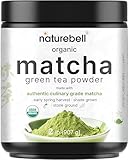
- Natural unsweetened organic matcha powder. Fresh culinary grade raw ingredients. Real Japanese green tea plant source.
- 2lb bulk supply. 302 servings that only take 1 scoop. Low calorie with zero sugar and dairy. Loaded with natural flavor and nutrients.
- Great for baking and culinary use. Add to your favorite lattes, teas, smoothies, baked goodies, and more.
- High concentrated powder derived from early spring leaf harvest. Skip those coffee shop or grocery store lines and create your own at home café.
- 3rd party lab tested. Not exposed to radiation and does not contain GMOs, gluten, soy, dairy, fish, preservatives, or fillers.
Growers are shifting toward tencha
Some growers have been moving toward tencha production to serve matcha demand. This shift can affect other Japanese teas too. Ippodo said that supplies of other types of Japanese tea had also fallen as growers switched toward matcha production; that is the company’s account, not a quantified industry-wide measure.
What do production figures tell us?
Japan’s tencha production has increased, but those figures describe past output—not whether current supply meets demand.
Recommended Free Tools
Rank #4

- DELICIOUS AND NUTRITIOUS TEA: 16 oz of MATCHA DNA Organic Green Tea Powder is naturally packed with antioxidants vitamins minerals amino acids and EGCG's.
- USDA CERTIFIED ORGANIC: All MATCHA DNA teas are USDA Certified Organic. Our farms have been inspected and meet the stringent USDA Organic rules and requirements.
- RICH IN ANTIOXIDANTS AND L-THEANINE: Matcha naturally contains antioxidants and L-theanine, known for calm focus and balanced energy. Inspired by matcha traditions, our organic matcha is perfect for tea, lattes and smoothies.
- CERTIFIED Without BPA PACKAGING: All MATCHA DNA Matcha tea packaging is Certified without BPA. We are the only Matcha tea company to package our teas in certified without BPA packaging.
- MatchaDNA Matcha Green Tea Powder is a Farm Direct to Customer Product, and this cuts out all the middlemen. All the money the middlemen would take is saved and those savings are passed on to our customers. MatchaDNA is USDA Certified Organic and is also tested by 3rd party labs for impurities. This ensures that you are getting a good quality product a good price.
| Year | Tencha production | What the figure measures |
|---|---|---|
| 2023 | 4,176 tonnes | Japanese government data, as reported by the Associated Press in 2025. |
| 2024 | 5,336 tonnes | Japanese Tea Production Association data, as reported by Reuters in 2025. Reuters said this was nearly 2.7 times the level ten years earlier. |
Tencha is the material used to make matcha, but production totals alone do not account for demand, inventories, grades, or how much tea is available to particular buyers. The figures therefore do not prove that the shortage is over.
Are matcha prices going up?
Reported buyer costs rose for the 2025 Japanese crop, but the available figures are not a current retail-price index. In a 2025 AP report, Aaron Vick, a senior tea buyer at G.S. Haly, said his cost for the highest-grade crop was 75% higher; he expected lower grades to cost 30% to 50% more. These are one buyer’s costs and expectations for that crop, not a universal increase in shop prices.
Best Value

- Micro Ingredients presents a single-ingredient organic matcha green tea powder, finely milled from green tea leaves and provided in a simple, mixable powder format.
- Provides approximately 302 servings, with a serving size of about 1 scoop (3 g), allowing for flexible use across different preparation styles.
- This first harvest, culinary grade matcha is unblended and made from shade-grown tea leaves that are finely ground into a powder, offering a smooth, clean flavor profile suitable for everyday use without added flavors or fillers.
- Matcha is a green tea powder made from whole tea leaves that is mixed directly into liquid, rather than steeped and removed like traditional green tea.
- Our matcha is non-GMO and Certified Organic by Organic Certifiers. Free from soy, dairy, gluten, and tree nuts, with no added sugar or artificial ingredients. Third-party lab tested for safety, purity, and potency.
Retail prices can differ by origin, grade, harvest, supplier, and date. National export figures should not be mistaken for matcha prices: Japan’s Ministry of Agriculture, Forestry and Fisheries reported ¥1.7005 trillion in agricultural and food exports in 2025, up 12.8% year over year, but that is an all-category total. The ministry also reported 2,999 tonnes of organic-equivalent Japanese tea exports in 2024, up 89.2%; this covers organic-equivalent tea exports, not matcha alone.
Independent reader supportYour contribution helps us test, update, and keep practical guides available for everyone.What should you check when buying matcha?
If you are shopping for matcha powder, compare products based on what you plan to make and what the seller actually states. Labels such as “ceremonial” and “culinary” are not standardized across sellers, so the label alone does not guarantee a consistent grade or use.
Quick wins for a faster PC:
Repair Windows errors before they cause bigger problemsFix Now →Fix the driver behind crashes, sound loss and screen glitchesFind Drivers →- Intended use: Check whether the seller describes the powder for traditional preparation, lattes, or cooking.
- Origin: Look for a specific stated origin rather than assuming all matcha is Japanese. Powder from elsewhere should not be treated as identical to Japanese matcha.
- Grade and harvest description: Compare the seller’s details, not just a grade label whose meaning may vary.
- Freshness and packaging: Review harvest or packing information when provided, plus the package format and storage guidance.
- Current availability and price: Confirm the seller’s stock and price when you buy; neither is established by historical production or buyer-cost figures.
A bamboo matcha whisk can help with home preparation, but it does not affect availability or resolve the supply shortage.
When will matcha supply improve?
No definitive normalization date can be established from the reported figures. Historical growth in tencha production shows that output has expanded, while reports of strong demand and weather pressure show why supply can remain tight. A final 2026 harvest total and a representative current retail-price baseline are not established here, so claims that prices will fall by a particular date—or that shortages will persist for a set period—would go beyond the available evidence.
Quick Recap
Product prices and availability are accurate as of the date/time indicated and are subject to change. Any price and availability information displayed on Amazon at the time of purchase will apply.




