Do these 3 things before closing this tab:
1Repair Windows errors before they cause bigger problems2Fix the driver behind crashes, sound loss and screen glitches3Clear out junk files and repair common Windows errorsBefore investing in a small oil and gas company, identify exactly what you are buying, verify the issuer and its assets in primary documents, test whether it can fund its operating plan, and scrutinize the assumptions behind its reserve claims. Then assess whether you could resell the investment and whether the people promoting it have conflicts or a track record you can verify. None of these checks guarantees safety or predicts returns; they help expose questions that deserve answers before you commit money.
1. Identify exactly what is being offered
Start with the legal structure, not the pitch. You might be buying publicly traded shares, securities in a private offering, or a direct interest in a venture. Those are different investments, with different disclosure and resale considerations. Establish the legal name of the issuer, the security or interest being sold, who receives your money, and which entity owns or operates the oil and gas assets.

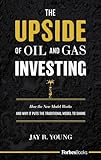
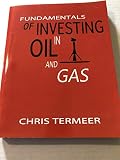
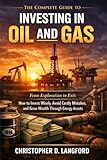
| Investment type | What to establish | Disclosure and resale questions |
|---|---|---|
| Public shares | Confirm the exact issuer and share class, and examine its latest available filings and other company disclosures. | Check how actively the shares trade, what information the company reports, and whether you could sell without materially affecting the price. |
| Private offering or direct venture interest | Get the written offering terms; identify the issuer, promoters, management, asset owner, operator, and any related parties. | Ask what information investors receive, what restrictions apply to resale, and how and when an exit might be possible. Private investments may be difficult to sell and may have fewer disclosures. |
For a public company that files with the SEC, review its latest annual and subsequent reports, including its description of operations, risks, financial statements, debt, and reserve information. For a private offering, request the offering documents and financial information in writing rather than relying on a presentation or verbal explanation.
Check who is raising the money
Look into the management team, promoters, operator, and any person or company paid to sell the investment. Ask about prior offerings, operating and investment history, past failures or disputes, financial interests in the transaction, and relationships among the issuer, operator, landowner, and sellers. The SEC’s Investor Alert: Private Oil and Gas Offerings advises investors to ask about promoter history, conflicts, prior offerings, and independent diligence. As the alert puts it, “You should ask questions until you are satisfied with the answers.”
#1 Best Overall
Ask what independent review has been performed and who performed it. A company filing or offering document is not an SEC endorsement, and the presence of paperwork does not establish that the investment is suitable or sound.
2. Follow the money and test the company’s capacity to execute
Read the latest audited annual financial statements and subsequent reports available for the issuer. Focus on whether its current finances can support the plan being sold to you, rather than assuming that projected production or revenue will arrive on schedule.
Rank #2
- Cash and cash flow: Examine cash on hand, operating cash flow, and the company’s stated cash needs. Determine whether current operations generate enough money to meet ongoing obligations or whether the plan depends on another financing round.
- Debt and commitments: Review outstanding debt, interest expense, maturities, covenants where disclosed, and capital commitments. Ask what payment obligations fall due before the expected project cash flow.
- Use of proceeds: For an offering, get a written breakdown of how much money is expected to go to drilling and development, overhead, sales commissions or fees, and other costs. The SEC specifically recommends asking how much of a raise goes to drilling, overhead, and sales fees.
- Share dilution: For a company issuing shares or securities that may convert into shares, review the terms and consider how future financing could affect existing ownership. Ask how much additional capital the company expects to need and on what terms it might seek it.
- Downside capacity: Compare the company’s stated cash runway and obligations with scenarios in which production or prices are lower, costs are higher, or financing is delayed. Use the issuer’s own latest figures; general industry examples cannot show whether this particular company can meet its bills.
A budget that covers drilling but not the supporting costs, future development, or working capital may not describe the full financing need. Check whether the offering proceeds are enough to reach a meaningful operating milestone and what funding the company expects to need after that.
3. Understand what the reserve numbers do—and do not—mean
Oil and gas reserve figures are estimates, not guaranteed barrels, cash, or investment value. Ask for the complete reserve report or the relevant disclosure and determine what category each figure belongs to, who prepared it, whether an independent engineer reviewed it, and what assumptions support it.
The Tool Desk
Outbyte Driver Updater FREEFix the driver behind crashes, sound loss and screen glitchesFind Drivers →Outbyte PC Repair FREERepair Windows errors before they cause bigger problemsFix Now →| Reserve category | How to read it | What to ask |
|---|---|---|
| Proved | A reserve category with a higher degree of certainty than probable or possible; it is still an estimate subject to assumptions and change. | Which properties and producing or planned wells are included, and what development, price, and cost assumptions apply? |
| Probable | Less certain than proved reserves. | What evidence supports the estimate, and how does the report distinguish it from proved reserves? |
| Possible | Less certain than probable reserves. | What additional drilling, infrastructure, financing, or other steps would be needed to realize the estimate? |
Do not add proved, probable, and possible estimates together as though they were equally certain, or treat a PV-10-type estimate as a guaranteed sale price or market value. Ask what commodity prices, production rates, operating costs, development costs, and timing assumptions were used. Reserve estimates can change as new data arrives, wells perform differently, prices move, costs change, or development plans are revised.
The SEC’s reserve definitions also connect reserves to whether quantities are economically producible and to relevant legal rights and project conditions, including market delivery arrangements, permits, and financing that is required or reasonably expected. A large resource claim by itself does not show that the company has the rights, approvals, infrastructure, and capital to produce and sell it.
Independent reader supportYour contribution helps us test, update, and keep practical guides available for everyone.4. Test the operating plan against the assets and the risks
Compare the reserve report with the actual operating plan. A producing company can still face declining output: existing wells deplete, and sustaining or growing production may require replacement reserves and continuing investment. Exploration and development projects carry a different risk profile from assets already producing cash.
Questions about production and development
- What are current production levels, and how have they changed over time?
- Which wells or projects are expected to generate future production, and when?
- What drilling and development budget supports those expectations? Does the budget match the company’s stated reserve-development plans?
- How does management plan to replace produced reserves, and what investment does that require?
- Does the company have access to the infrastructure and market arrangements needed to deliver and sell production?
Questions about execution risk
Ask management to explain what happens if wells are unsuccessful, drilling is delayed, service costs rise, commodity prices fall, or financing is unavailable. Compare those answers with the risks described in the company’s own disclosures. The SEC’s oil and gas investor guidance and issuer disclosures identify depletion, uncertain drilling outcomes, costs, commodity prices, and capital availability as material considerations; no general forecast can substitute for the company’s specific plan and financial position.
Recommended Free Tools
Best Value

- Used Book in Good Condition
5. Evaluate liquidity, disclosure, and promotion separately from geology
A promising geology story does not solve a weak resale market, limited disclosure, or misleading promotion. Consider each issue on its own merits.
- Resale: For a private investment, ask when and how you may sell, what restrictions apply, and whether a buyer or exit route is actually identified. Do not assume you can withdraw your money on demand.
- SEC filings: A Form D is a notice filing for certain offerings, not an SEC review or approval. The SEC’s Regulation D investor bulletin states, “Form D does not represent SEC approval or registration.” That bulletin is staff educational guidance, not a rule or a Commission statement.
- Trading risk: Small, thinly traded public stocks may have limited information and low trading volume. Low liquidity can make prices more volatile and can magnify manipulation concerns; being able to place a sell order does not guarantee a sale at a reasonable price.
- Promotion: Treat guaranteed returns, unusually high promised yields, pressure to act quickly, and unsolicited claims that cannot be verified in primary documents as warning signs. Find out whether the person making the pitch is paid, owns an interest, or otherwise benefits if you invest.
6. Get independent help when the claims exceed your expertise
If you cannot assess the reserve report, operating assumptions, financial statements, or security terms, consider asking an independent registered investment professional familiar with the sector to review the investment. Verify the person’s qualifications and conflicts, and do not treat registration as proof that an investment is sound. Depending on the questions, a qualified oil and gas technical consultant or securities lawyer may be better suited to review specific technical or legal claims.
Keep a written record of the answers and supporting documents. If material claims remain unclear, depend on unsupported projections, or cannot be reconciled with the company’s filings and offering terms, do not treat confidence from a promoter as a substitute for evidence.
Quick Recap
Product prices and availability are accurate as of the date/time indicated and are subject to change. Any price and availability information displayed on Amazon at the time of purchase will apply.
Free tools Windows power users keep installed
One-click scans. No signup required.




