Most healthy tweens do not need an adult-style skincare routine. For a child roughly 8 to 12 with normal skin, the practical baseline is a gentle cleanser, a fragrance-free moisturizer if the skin feels dry or tight, and broad-spectrum sunscreen rated SPF 30 or higher. Adult branding is not the problem: an adult-brand moisturizer with a simple formula may be perfectly reasonable, while a product marketed specifically to tweens can still contain fragrance, exfoliating acids, or other unnecessary actives.
The products that deserve the most caution are cosmetic retinol, exfoliating toners and masks, high-strength vitamin C, abrasive scrubs, fragrance-heavy formulas, and combinations of several acne treatments. Those products can cause dryness, burning, peeling, irritation, or allergic contact dermatitis. They are not usually necessary for healthy tween skin.
As an Amazon Associate I earn from qualifying purchases.
The three-product answer for most tweens
A tween is not a medical diagnosis, and children in this age group can have very different skin. Some have normal skin, some develop oiliness or mild acne during puberty, and others have eczema, allergies, rosacea, perioral dermatitis, psoriasis, or another condition that needs individualized care.
For a child without a diagnosed or suspected skin problem, keep the routine short:
#1 Best Overall

- Extra hydration: Lightweight Neutrogena gentle face moisturizer for sensitive skin strengthens the skin barrier in one use and helps soothe signs of reactive skin without clogging pores
- Smooth, soft, matte finish face moisturizer: This lightweight, noncomedogenic moisturizer replenishes skin without greasy residue; instantly absorbs into skin and doesn’t pill
- Recognized skin conditioners: Hydrating moisturizer with niacinamide and vitamin E to offset dryness caused by everyday aggressors; formulated with CICA
- Dermatologist-recommended brand: Daily moisturizer for face suitable for sensitive and reactive skin that can appear red, tight, dry, or uncomfortable; leaves dry skin feeling soothed and calm
- Gentle enough for daily use: Apply this face moisturizer evenly to face and neck after cleansing. Pair with Neutrogena Ultra Gentle foaming gel cleanser for the ultimate gentle regimen and hydrating glow
- Gentle cleanser: Use after sunscreen, makeup, sweating, or at the end of the day. A morning rinse may be enough if the skin is not oily.
- Fragrance-free moisturizer: Use when the skin feels dry, tight, rough, itchy, or irritated.
- Broad-spectrum sunscreen: Choose SPF 30 or higher, preferably water-resistant for outdoor activity.
The American Academy of Dermatology’s guidance specifically cautions tweens and teens against routine cosmetic retinol, vitamin C, and exfoliating acids because these products target concerns such as wrinkles, sun damage, and uneven tone that most children do not have. A dermatologist may still recommend a retinoid, salicylic acid, or another active when there is a genuine medical reason, such as acne.
This approach is also the financially sensible one. A short routine reduces the chance of buying overlapping products, wasting money on viral launches, and then paying for more products to repair irritation caused by the first group.
Why adult skincare became a tween trend
Skincare videos make a routine look like part beauty ritual, part social membership. Colorful packaging, unboxing videos, influencer recommendations, and “get ready with me” content can make an expensive serum or mask seem like a normal step rather than a treatment designed for adult concerns. For a tween, the appeal may be belonging and having a ritual—not dissatisfaction with the skin.
Quick wins for a faster PC:
Repair Windows errors before they cause bigger problemsFix Now →Fix the driver behind crashes, sound loss and screen glitchesFind Drivers →A 2025 study in Pediatrics analyzed 100 TikTok skincare videos featuring creators ages 7 to 18. The videos showed an average of 5.78 products per routine, with an estimated average cost of $168 and a range of $20 to $621. Only 26.2% of daytime routines included sunscreen. In the 25 most-viewed videos, routines contained an average of 11 potentially irritating active ingredients, and 76% contained at least one potential contact allergen. The study did not measure skin or mental-health outcomes, so it cannot prove that TikTok causes skin problems. It does show that highly visible routines often model expensive, complicated, active-heavy behavior with little obvious benefit for healthy children.
The study’s authors also noted that appearance-centered content may amplify beauty standards and social comparison, but they could not directly assess mental-health effects. Separately, the Surgeon General reports that 46% of adolescents ages 13 to 17 said social media made them feel worse about their body image. That statistic applies to adolescents broadly, not specifically to skincare-shopping tweens, so it is context—not proof that this particular trend causes body-image problems.
Market research points to growing interest without proving that every tween is independently buying adult skincare. NIQ reports faster growth in facial skincare among Gen Alpha and says households with children ages 6 to 17 are spending more proportionally on beauty. The geography, age range, product category, and measurement period matter, so broad claims about all tweens or “billions” in spending should be treated cautiously. See the NIQ Gen Alpha skincare report and its generational beauty commentary.
A simple morning and evening routine
| Time | What to do | What to skip |
|---|---|---|
| Morning | Rinse or use a gentle cleanser if needed. Apply a fragrance-free moisturizer if the skin is dry or tight. Finish with broad-spectrum SPF 30 or higher. | Toner, exfoliating pads, anti-aging serum, repeated masks, and a stack of “glow” products. |
| Evening | Remove makeup and sunscreen gently. Cleanse without scrubbing. Moisturize if needed. | Scrubs, facial brushes, strong astringents, overnight masks, eye creams, facial oils, and multiple serums. |
| If acne is present | Use one age-appropriate, appropriately labeled acne treatment at a time, ideally with guidance from a parent and a pediatrician, pharmacist, or dermatologist. | Combining an acne cleanser, toner, serum, mask, and spot treatment because each appears to contain a different version of the same active. |
The AAD sunscreen checklist is broad-spectrum protection, SPF 30 or higher, and water resistance when appropriate. Reapply at least every two hours while outdoors and after swimming or sweating, following the product label. Tinted sunscreen can help minimize white cast, particularly on darker skin tones. A non-comedogenic formula may be more comfortable for acne-prone skin.
What’s actually slowing this PC down?
Pick the symptom - the matching free tool is one click away.
A moisturizer with SPF is not automatically enough for an entire day outdoors. If it is applied sparingly as moisturizer, the child may not receive the labeled sunscreen protection. It must be applied generously and reapplied like sunscreen. For example, the official information for CeraVe AM Facial Moisturizing Lotion SPF 30 describes a product whose protection depends on sunscreen-style application and reapplication.
Ingredient decoder: what is usually reasonable?
For normal or mildly dry skin, look for a short, low-complexity ingredient list rather than a product promising to lift, firm, brighten, refine pores, or reverse signs of aging. Ingredients that are generally well tolerated in basic products include:
Rank #2
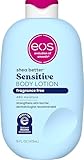
- 48-HOUR DEEP HYDRATION: This fragrance free lotion delivers long-lasting moisture to intensely hydrate dry skin, leaving your whole body feeling soft, comfortable, and deeply replenished.
- SKIN BARRIER MOISTURE SUPPORT: Formulated with 7 nourishing oils and butters, including wild-harvested shea butter and shea oil, to help lock in hydration and support a healthy skin moisture barrier.
- FAST-ABSORBING NON-GREASY FORMULA: A lightweight daily body moisturizer that glides on smoothly and absorbs instantly into the skin without leaving a heavy, sticky, or greasy residue.
- 100% FRAGRANCE FREE CARE: Perfect for sensitive skin types or as an unscented base layer for fragrance and perfume layering routines to help your favorite scents last longer without competing.
- DERMATOLOGIST RECOMMENDED: Hypoallergenic, dermatologist-tested, and completely free of parabens, phthalates, and gluten. Cruelty-free and designed for daily body care.
- Glycerin
- Petrolatum
- Dimethicone
- Ceramides
- Hyaluronic acid
- Colloidal oatmeal
- Squalane
- Simple emollients and occlusive ingredients
These are not guaranteed to be safe for every child. Any ingredient can irritate or trigger an allergy in an individual person. Boston Children’s Hospital describes hyaluronic acid as a hydrating ingredient that can be suitable for dry, acne-prone, and sensitive skin, while emphasizing that the foundation is gentle washing, moisturizing, and sun protection. Its tween skincare guidance is useful for comparing ingredients without turning the routine into a chemistry project.
Niacinamide requires similar nuance. It is commonly tolerated and appears in many simple moisturizers. That does not mean a 10% niacinamide serum is necessary for a 10-year-old. A basic moisturizer that happens to contain niacinamide is a different choice from adding a high-concentration serum to an otherwise healthy child’s face. The ingredient information from CeraVe explains why it appears in some moisturizers, but no child needs an ingredient merely because it is trending.
Recommended Free Tools
Ingredients to avoid for routine cosmetic use
Cosmetic retinol and anti-aging retinoids
Healthy tween skin generally has no need for a cosmetic retinol marketed for wrinkles, firmness, or photoaging. Retinol can cause dryness, irritation, peeling, and increased sensitivity. That is different from prescription topical retinoids used deliberately to treat acne. Parents should not treat a cosmetic retinol serum and an acne medication as interchangeable products.
Exfoliating acids
Routine cosmetic use of glycolic, lactic, mandelic, salicylic, or blended AHA/BHA products is unnecessary for healthy tween skin and may damage the skin barrier through irritation. The FDA’s guidance on beta-hydroxy acids tells consumers to follow label directions, patch-test BHA products, stop if irritation or prolonged stinging occurs, and use sun protection. It also warns against using BHA-containing cosmetics on infants and children. That broad cosmetic warning should not be confused with medically supervised acne treatment.
High-strength vitamin C
Vitamin C is not inherently dangerous, but acidic, high-strength vitamin C serums can sting and are unnecessary for ordinary tween skin. The AAD recommendation is to avoid routine cosmetic vitamin C in tweens and teens—not to claim that every product containing any form of vitamin C is prohibited.
Fragrance and essential oils
Choose fragrance-free rather than merely unscented. “Unscented” can mean that masking fragrance has been added. Fragrance is especially worth avoiding for a child with eczema, known sensitivities, or a history of rashes. The AAD’s eczema product guidance explains this distinction and recommends fragrance-free products for children with sensitive skin.
Harsh scrubs and astringents
Skip walnut-shell scrubs, abrasive brushes, alcohol-heavy toners, strong clarifying products, and anything that leaves the face tight or burning. Burning is not proof that a product is working. It is a warning that the child may be experiencing irritation.
The acne exception: when an active ingredient may make sense
Puberty can increase oil production and clogged pores. That is the point at which a targeted product may be useful—but acne treatment should be introduced deliberately rather than assembled from viral products.
Rank #3
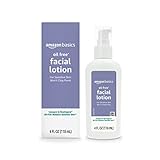
- SHIPMENT CONTAINS: One 4-fluid ounce pump bottle of face moisturizer for sensitive skin
- NON-COMEDOGENIC: Moisturizes skin without clogging pores; may be used morning and night
- GENTLE FORMULA: Alcohol free, paraben free
- BRAND TRANSITION: Packaging may vary from images shown
- COMPARISON: If you like Neutrogena Oil-Free Moisture, we invite you to try Amazon Basics formulated without oil Facial Moisturizer for Sensitive Skin
The AAD’s 2024 acne guidelines cover adults, adolescents, and children older than 9 and include topical benzoyl peroxide, topical retinoids, and topical salicylic acid when clinically appropriate. In the United States, the FDA’s over-the-counter acne monograph permits these common active ranges:
| Active | Common OTC range | Important qualification |
|---|---|---|
| Benzoyl peroxide | 2.5%–10% | Can cause dryness, redness, burning, peeling, and bleaching of hair or dyed fabrics. |
| Salicylic acid | 0.5%–2% | Can irritate, especially when combined with other acne or exfoliating products. |
| Sulfur | 3%–10% | Use according to the label; it may be drying or irritating for some children. |
The FDA acne labeling warns that dryness and irritation are more likely when multiple topical acne medications are used together. It advises starting once daily and reducing frequency if bothersome dryness or peeling develops. A practical rule is:
The Tool Desk
Outbyte PC Repair FREEClear out junk files and repair common Windows errorsFree Scan →Outbyte Driver Updater FREEScan for outdated or missing drivers - takes under a minuteDriver Scan →- No acne: no acne active.
- Occasional mild pimples: ask a pediatrician, pharmacist, or dermatologist about one appropriately labeled product.
- Persistent, painful, widespread, scarring, or emotionally distressing acne: seek medical care instead of continually escalating over-the-counter products.
Adapalene is not the same as cosmetic retinol
OTC Differin adapalene 0.1% is labeled for adults and children 12 and older; the label directs parents of children under 12 to ask a doctor. The FDA label and the current DailyMed labeling do not mean that retinoids are categorically forbidden for younger children. Some prescription acne therapies have pediatric uses. They do mean that parents should not self-start an adult anti-aging retinol or an OTC acne retinoid in a younger child without clinical guidance.
Benzoyl peroxide has practical side effects
Benzoyl peroxide can bleach hair and dyed towels, clothing, and bedding. It may also cause redness, itching, burning, peeling, or swelling. Keep it away from the eyes, lips, and mouth, avoid unnecessary sun exposure, and use sunscreen. Stop and ask a doctor if irritation becomes severe, following the product’s Drug Facts label.
Product recommendations by function—not by age on the packaging
There is no reliable safety category called “tween brand.” Evaluate the formula, purpose, labeling, and the child’s actual skin concern.
| Need | Selection criteria | Example or qualification |
|---|---|---|
| Simple cleanser | Fragrance-free, soap-free, non-abrasive, non-medicated unless acne requires treatment, easy to rinse, and non-stripping. | The current official BYOMA Creamy Jelly Cleanser page describes it as soap-free, non-comedogenic, alcohol-free, fragrance-free, and suitable for morning and evening use. Those are useful formula characteristics, not proof that it is best for every child. |
| Basic moisturizer | Fragrance-free, with ingredients such as glycerin, ceramides, petrolatum, dimethicone, hyaluronic acid, or simple emollients. Avoid added retinoids and exfoliating acids. | Choose a lotion or gel if the child dislikes heavy textures; choose a cream or ointment for significant dryness or eczema. A short ingredient list is often an advantage. |
| Moisturizer for acne-prone skin | Look for a fragrance-free, non-comedogenic formula. Do not assume “oil-free” is automatically better or that every oil causes acne. | Use moisturizer to reduce dryness from acne treatment rather than adding more active ingredients. |
| Mineral sunscreen | Broad-spectrum SPF 30 or higher with zinc oxide and/or titanium dioxide. This may be more comfortable for some children whose skin stings with chemical filters. | Mineral sunscreen is not automatically safer for every child, and it can leave a white cast. Tinted options may improve appearance and consistency of use. |
| Chemical or hybrid sunscreen | Broad-spectrum SPF 30 or higher, water-resistant when needed, fragrance-free if sensitive, and comfortable enough to use consistently. | Chemical and hybrid sunscreens are not automatically unsafe. For example, the current official formula for CeraVe AM Facial Moisturizing Lotion SPF 30 lists zinc oxide along with homosalate, octinoxate, and octocrylene, making it a hybrid—not mineral-only—product. |
| SPF lip balm | Choose sun protection rather than plumping, exfoliating, or heavily fragranced lip products. | An SPF lip balm can be a useful, age-appropriate extra step. |
| Acne cleanser | Only when the child actually has acne and the active is appropriate for the child’s age and situation. | The Parents shopping list includes a cleanser containing 4% benzoyl peroxide. That is an acne medication, not a general-purpose cleanser for every tween. Read the current Drug Facts label and supervise use. |
“Chemical-free,” “clean,” “natural,” and “reef-safe” are not medical safety certifications. Check the ingredient list, Drug Facts label when present, SPF rating, broad-spectrum status, water-resistance claim, and tolerability. The FDA explains cosmetic claims, and sunscreen claims are subject to drug-labeling requirements under U.S. regulations.
Do these 3 things before closing this tab:
1Repair Windows errors before they cause bigger problems2Fix the driver behind crashes, sound loss and screen glitches3Clear out junk files and repair common Windows errorsPopular products parents may already have: how to audit them
Parents do not need to throw away every adult-brand product in the bathroom. They do need to inspect what the product is designed to do.
A bland adult-brand moisturizer
This may be a reasonable choice if it is fragrance-free, does not contain unnecessary acids or retinoids, and suits the child’s skin. The brand name and adult-oriented packaging do not make a basic moisturizer inappropriate.
An exfoliating toner, serum, or mask
This is not a default tween product. Look for glycolic, lactic, mandelic, salicylic, or other exfoliating acids, especially if the routine already includes acne medication. Multiple leave-on products make irritation more likely.
Rank #4

- [ DAILY MOISTURIZING LOTION ] Smooth, light-weight texture that is absorbed quickly, leaving skin feeling smooth and hydrated, never greasy
- [ LONG-LASTING HYDRATION ] Contains Hyaluronic Acid to help retain skins natural moisture and MVE technology to provide 24 hour hydration
- [ GENTLE ON SKIN ] Holds National Eczema Association (NEA) Seal of Acceptance. Fragrance free, allergy-tested, non-comedogenic, and suitable for use as a body lotion, face moisturizing lotion, and/or hand lotion
- [ 3 ESSENTIAL CERAMIDES ] Ceramides are found naturally in the skin and make up 50% of the lipids in the skin barrier. All CeraVe products are formulated with three essential ceramides (1, 3, 6-II) to help restore and maintain the skin’s natural barrier
- [ DEVELOPED WITH DERMATOLOGISTS ] CeraVe Skincare is developed with dermatologists and has products suitable for dry skin, sensitive skin, oily skin, acne-prone, and more.
A cleanser marketed as gentle but containing acids and fragrance
The current official ingredient list for Glow Recipe Blueberry Bounce Gentle Cleanser includes glycolic acid, lactic acid, and fragrance, and the product is marketed as a clarifying mask. That does not make one use automatically dangerous, but it conflicts with a strict fragrance-free, no-unnecessary-actives standard for a sensitive tween. It should not be treated as a universal recommendation simply because it is called gentle or is popular with children.
Windows Errors? Fix Them Before They Spread
Repair common Windows errors and clear accumulated junk for a smoother, more stable PC - no reinstall needed.Free scan · no reinstallOutdated Drivers Are Slowing You Down
One free scan finds every outdated or missing driver and matches the right update for your exact hardware.Free scan · exact hardware matchA benzoyl peroxide cleanser
This belongs in the acne-treatment category. A 4% benzoyl peroxide cleanser may be appropriate for a child with acne under adult supervision, but it is unnecessary for normal skin and can create dryness, irritation, and laundry stains.
A sunscreen moisturizer
Check the actual sunscreen filters and whether the child will apply enough product and reapply outdoors. Do not describe a hybrid formula as mineral-only, and do not assume that a moisturizer used lightly provides all-day protection.
Independent reader supportYour contribution helps us test, update, and keep practical guides available for everyone.What to do if the skin starts burning
Most product mistakes call for simplification, not panic. Temporary irritation is a more supportable concern than claims that one accidental use of an adult product will permanently damage a child’s skin.
- Stop all actives: Discontinue retinoids, exfoliating acids, acne treatments, vitamin C serums, scrubs, masks, toners, and fragranced products.
- Clean gently: Use lukewarm water or a gentle cleanser without scrubbing.
- Restore the barrier: Apply a bland, fragrance-free moisturizer or a petrolatum-based barrier product.
- Protect from the sun: Use sunscreen and avoid intentional sun exposure while the skin is irritated.
- Reintroduce carefully: Once the skin is comfortable, add products back one at a time. Do not restart the entire routine at once.
Seek medical advice for facial swelling, blistering, severe pain, a spreading rash, eye involvement, signs of infection, or symptoms that do not improve after the routine is simplified. Persistent redness, itching, scaling, or burning may indicate dermatitis or another condition rather than acne.
Free tools Windows power users keep installed
One-click scans. No signup required.
Do not use “purging” as a catch-all explanation for any rash. A new breakout in the area where an acne active is expected to work can be part of treatment, but burning, swelling, intense itching, or a rash around the mouth should not be dismissed as proof that a product is effective.
How to introduce a new product safely
- Read the full ingredient list and the Drug Facts label when the product is an acne treatment or sunscreen.
- Introduce only one new leave-on product at a time.
- For sensitive skin, test a small amount before applying the product to the whole face, as recommended by the AAD.
- Avoid trying a new product immediately before vacation, a sports tournament, a sleepover, or a major event.
- Stop if the child develops burning, persistent redness, itching, swelling, or peeling.
- Keep a note or photograph of the ingredient list if a reaction occurs; it can help a clinician identify a possible trigger.
How parents can preserve the ritual without buying a 10-step routine
The goal is not to shame a child for caring about appearance or to ban every enjoyable product. That can make marketing more powerful, not less. Instead, acknowledge the appeal and redirect it:
“You do not need to fix your face. If you want a skincare routine, we can choose products that clean and protect your skin without irritating it.”
A child who wants a grown-up ritual can have one without adult treatment ingredients:
Best Value

- 24-hour results: Clinically proven to help moisturize dry skin for 24 hours** with Pro-Ceramide and glycerin, this hydrating lotion helps strengthen your skin’s natural moisture barrier for healthier-looking, hydrated skin
- Effective ingredients: Made with shea butter and Pro-Ceramide, it’s a lightweight, fast-absorbing, non-greasy body lotion; helps relieve dryness for all skin types and tones; safely hydrates and protects face, hands, and body
- Sensitive skin lotion: Non-comedogenic, allergy- and dermatologist-tested daily moisturizer; free of parabens, phthalates, and dyes; safe to use on your face, hands, and body as a daily lotion for soft, hydrated skin
- Gentle and safe: Allergy tested to be safe on even sensitive skin, the fragrance-free lotion hydrates without clogging pores; gently hydrates dry skin on face, hands, and body to help restore your skin’s moisture barrier
- Fast acting, long lasting: A fast-absorbing, scent-free lotion, it’s clinically proven to show improvement on dry skin after 1 hour;* Lubriderm 24 fl oz, hydrates for 24 hours* *From a clinical moisture study with Daily Moisture Lotion
- One colorful but fragrance-free cleanser
- One simple moisturizer
- One sunscreen
- An SPF lip balm
- A washable headband or cosmetic bag
- A parent-child label-reading ritual
- One simple, non-medicated hydrating product if an extra step is important
That approach also addresses the money problem. The TikTok study’s estimated $168 average routine was based on visible video routines, not a required cost for skincare. Buying fewer products, checking ingredients before purchasing, and introducing one product at a time can prevent both unnecessary spending and the expense of repairing an irritated skin barrier.
A parent’s tween-skincare shopping checklist
- Is it fragrance-free, or merely unscented?
- Does it contain retinol or another retinoid?
- Does it contain glycolic, lactic, salicylic, mandelic, or another exfoliating acid?
- Does it contain high-strength vitamin C?
- Is it actually a medication for acne rather than ordinary skincare?
- Is it non-comedogenic if the child is acne-prone?
- For sunscreen, does the label say broad-spectrum SPF 30 or higher?
- Is it water-resistant when the child will swim or sweat?
- Does the child have the condition the product is designed to treat?
- Has only one new leave-on product been introduced?
- Would a cheaper, simpler formula accomplish the same job?
How to interpret skincare shopping articles
Shopping lists can be useful starting points, but product formulas, prices, package sizes, and retailer availability change. The accessible Parents article on skincare products for kids and tweens identifies itself as updated January 7, 2025, includes an affiliate disclosure, and presents eight products. A Mount Sinai media record lists coverage dated January 15, 2026, so readers should clarify which date is being cited rather than casually calling the article current.
That coverage gets important things right: it centers cleansing, moisturizing, and sunscreen; warns about exfoliating, brightening, and anti-aging products; includes dermatologist input; and recognizes that acne treatment is a separate need. Its weakness is treating a mixed product list as uniformly “tween-safe.” A recommendation should be checked against the current manufacturer formula, the child’s skin condition, and the product’s intended purpose. Parent reviews, star ratings, influencer enthusiasm, and a product’s age-oriented packaging are not substitutes for ingredient analysis.
The most useful distinction is simple: brand category is not ingredient category. An adult brand may sell a bland moisturizer. A tween-branded serum may contain fragrance and exfoliating acids. Judge the formula, not the label on the front of the bottle.
Frequently Asked Questions
Can a 10-year-old use an adult moisturizer?
Often, yes, if the formula is simple, fragrance-free, and appropriate for the child’s skin. Avoid treating the word adult as a safety warning by itself. Check for unnecessary retinoids, exfoliating acids, strong fragrance, and other actives instead.
Is chemical sunscreen safe for tweens?
Chemical and mineral sunscreens can both provide effective protection when properly labeled and used. Mineral sunscreen containing zinc oxide or titanium dioxide may be more comfortable for some children with sensitive skin, but it is not automatically safer for everyone. The practical checklist is broad-spectrum SPF 30 or higher, water resistance when needed, tolerability, and consistent use.
Should tweens use retinol for prevention?
Healthy tweens generally do not need cosmetic retinol for anti-aging or prevention. It can cause dryness, peeling, and irritation. A prescription retinoid or an age-labeled acne retinoid is a separate medical treatment and should be used only when appropriate for the child’s age and condition.
What should I do if my child’s skincare product burns?
Stop the actives, scrubs, masks, toners, and fragranced products. Cleanse gently with lukewarm water, use a bland fragrance-free moisturizer or petrolatum-based barrier product, and protect the skin from sun exposure. Seek medical advice for swelling, blistering, severe pain, eye involvement, infection signs, a spreading rash, or symptoms that do not improve.
How many skincare products does a tween need?
For healthy skin, usually two or three core products: a gentle cleanser, moisturizer if needed, and sunscreen. Acne may justify one targeted treatment, but multiple serums, masks, toners, and spot treatments increase cost and the risk of ingredient overlap and irritation.
The Bottom Line
The safest default is also the least complicated: gentle cleansing, a fragrance-free moisturizer when needed, and broad-spectrum SPF 30 or higher. Do not reject a product merely because it comes from an adult brand, and do not trust a product merely because it is marketed to tweens. Read the formula, avoid unnecessary actives and fragrance, treat acne as a medical issue rather than a beauty trend, and stop experimenting when the skin burns or develops a persistent rash.
Quick Recap
Product prices and availability are accurate as of the date/time indicated and are subject to change. Any price and availability information displayed on Amazon at the time of purchase will apply.




