Outdated Drivers Are Slowing You Down
One free scan finds every outdated or missing driver and matches the right update for your exact hardware.Free scan · exact hardware matchPC Slower Than It Used to Be?
A free scan shows the junk files, broken settings and background clutter dragging Windows down - then fixes them in one click.Free scan · Windows 10 & 11If you find a mistake on a filed U.S. federal individual income tax return, first identify what kind of mistake it is. The IRS often corrects mathematical errors during processing and may ask you separately for a missing form or schedule. A change to an important item you reported—such as income, filing status, deductions, credits, dependents, withholding, or tax liability—usually calls for Form 1040-X, the Amended U.S. Individual Income Tax Return. If the IRS has sent you a notice, read it and follow its response instructions and deadline before deciding whether to amend.
Start by identifying the kind of mistake
A discovered error does not automatically mean you should send the IRS another complete return. The appropriate next step depends on what is wrong, whether the IRS has already contacted you, and whether the mistake changes a reported tax item.
As an Amazon Associate I earn from qualifying purchases.
| What happened | Usual next step |
|---|---|
| A mathematical error or certain clerical issue | Check IRS correspondence and your account or return status. The IRS says it catches many mathematical errors while processing returns and corrects them, so you may not need to file an amendment. |
| A form or schedule is missing, and the IRS asks for it | Respond to the IRS request using the method and deadline in the notice. Do not send a duplicate original return just to supply the missing item. |
| A reported tax item is materially wrong | Determine whether a Form 1040-X is appropriate. Common examples include a change to filing status, income, deductions, credits, dependents, other taxes, withholding, or tax liability. |
| The IRS has proposed an adjustment in a notice | Read the notice first. It may explain how to agree with the change or send information without filing Form 1040-X. |
| A federal correction may affect a state return | Check the relevant state tax agency’s rules separately. A federal amendment does not itself amend a state return. |
These are general routes, not a decision about any particular return. The IRS FAQ “Amended returns & Form 1040X” advises taxpayers to consider the type of mistake. Its decision aid, “Should I file an amended return?”, can help assess whether an amendment is called for.
Math error, missing paperwork, or change to the return?
A math error may be corrected by the IRS during processing. If the IRS adjusts your return, it will generally explain the change; read any notice carefully, because the notice may give you a chance to respond if you disagree. A missing-document request is different: the IRS may need a form or schedule to finish processing, and the request will tell you what to provide. Neither situation should be treated automatically as a reason to prepare a second original return.
#1 Best Overall

- Yearly Tax Organizer: includes 2 spiral bound tax organizer designed to help you collect, sort, and store important tax records throughout the year, keeping receipts, income records, bills, and other paperwork in one easy to manage place
- Large Size for Everyday Documents: cover measures about 13 x 9.65 inches, with inside pages about 9.65 x 6.5 inches; The spacious pocket design provides room for receipts, statements, records, and tax-related papers without taking up too much desk or shelf space
- 12 Monthly Pockets for Easy Sorting: the tax record organizer features 12 pockets, making it simple to separate documents by month or category; Useful for organizing medical expenses, charitable donations, prescriptions, invoices, income folders, and monthly bill receipts
- Spiral Bound for Convenient Access: the secure spiral binding lets pages turn smoothly, so you can quickly add, remove, or review documents whenever needed; A practical design that helps simplify filing and reduce last-minute stress during tax season
- Widely Applied: this annual tax organizer is suitable for managing annual taxes, tracking receipts and preparing for audits all year round, making your tax preparation more systematic and manageable, and it is very suitable for annual tax returns, document storage and filing, professional tax services and tax agencies
By contrast, if you discover that an item you reported is wrong, you may need to amend the return so that the IRS receives the corrected information. For instance, a newly found income document could change reported income; a corrected claim about a dependent could affect credits; or a changed deduction could alter taxable income and tax liability. These examples illustrate the kinds of items that may matter; the correct treatment depends on the facts, the tax year, and its instructions.
When an IRS notice is already involved
If a notice proposes a change or requests records, use the notice as your immediate guide. It may specify a response deadline and a channel for agreeing or providing information. Do not ignore that process or assume that filing Form 1040-X replaces the required response. If you do not understand what the notice requests, or the issue is complicated, consider seeking qualified tax help while observing the stated deadline.
A notice is not the same thing as a general instruction to file an amendment. Read what the IRS says it has changed or needs, identify whether it is asking you to agree, dispute the proposed adjustment, or send missing material, and follow the process it names. If you believe the notice is based on incomplete or incorrect information, respond with the requested explanation or records by its deadline. Keep a copy of the notice, your response, and any proof of submission with the tax-year records.
Free tools Windows power users keep installed
One-click scans. No signup required.
When Form 1040-X is generally appropriate
Form 1040-X is used to amend a filed federal individual income tax return when a substantive correction is needed. The IRS lists filing status, income, deductions, credits, dependents, other taxes, withholding, and tax liability among the kinds of reported items that may need correction. The form is designed to show three things: the amount originally reported or previously adjusted, the change, and the corrected amount.
Use the instructions for the specific tax year you are amending. Tax forms, filing eligibility, attachment requirements, and procedures can be year-specific; do not assume that instructions or filing options for one year apply to another. The current IRS Instructions for Form 1040-X also describe certain carryback claims and elections after a deadline, but those special situations are not ordinary corrections and can require careful review of the applicable rules.
The decision is not simply whether you found a typo. Ask whether the corrected information changes a tax item reported on the return, whether the IRS has already opened a notice process for the issue, and whether a refund claim or added tax is involved. The IRS decision aid can help with the initial question of whether an amended return is called for, but it does not replace the tax-year instructions or the response terms in an IRS notice.
Wait for the original return to process when appropriate
If you are expecting a refund, IRS guidance advises waiting until the original return has processed before filing Form 1040-X. More generally, the agency instructs taxpayers to file an amended return only after filing the original. Check current IRS guidance for your situation, particularly if the original return is still being processed or the IRS has contacted you.
What’s actually slowing this PC down?
Pick the symptom - the matching free tool is one click away.
Use a separate amendment for each tax year
Prepare a separate Form 1040-X for each year being corrected. Keep each amendment tied to the original return and the records for that year; do not combine several years’ changes into a single form. If an IRS adjustment has already changed the original figures, account for those adjusted amounts when preparing the amendment rather than treating the original filed numbers as the only relevant starting point.
Rank #2
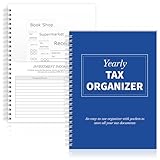
- Yearly Tax Organizer: includes 1 spiral bound tax organizer designed to help you collect, sort, and store important tax records throughout the year, keeping receipts, income records, bills, and other paperwork in one easy to manage place
- Spiral Binding: with spiral security binding, you can sort and access your monthly tax documents all year round; Help simplify tax time
- Durable: our tax document organizer is made of paper, which is very durable and convenient for you to use frequently in your daily work
- Large Capacity: this tax document organizer has 12 pockets, which makes it convenient for you to sort and file receipts and records and store them in a centralized manner; With this document organizer, you can organize various documents such as medical expenses, prescription drugs, charitable donations, etc. throughout the year, and face tax season confidently and efficiently
- Widely Applied: this annual tax organizer is suitable for managing annual taxes, tracking receipts and preparing for audits all year round, making your tax preparation more systematic and manageable, and it is very suitable for annual tax returns, document storage and filing, professional tax services and tax agencies
How to prepare Form 1040-X
Before completing the form, assemble the original return for the correct year, relevant IRS or taxpayer adjustments already made, any notices about the return, and the supporting paperwork for the correction. The aim is to make it possible to follow how the corrected figures were reached, not merely to replace one number without context.
- Identify the tax year and return. Obtain the Form 1040-X and instructions for the year being amended. Confirm that you are using the correct original return and the correct year-specific directions.
- Collect the records behind the change. Gather the original return, relevant notices, and any new or changed forms, schedules, worksheets, or supporting documents. Include materials needed to explain or substantiate the items being changed.
- Recalculate the affected figures. Work from the corrected information and applicable year’s forms and instructions. Determine how the change affects related amounts, including corrected tax and any refund or balance due, rather than changing an isolated entry without recalculating its consequences.
- Show the original or adjusted amount, the change, and the corrected amount. Form 1040-X presents these figures so the difference is clear. If the IRS or you previously adjusted the return, use the applicable previously adjusted figures as directed by the form instructions.
- Explain the reason for the amendment. Use the form’s explanation section to describe what changed and why. Keep the explanation factual and connect it to the supporting forms or records you are submitting.
- Attach the required changed or new material. Follow the instructions for the tax year to determine which forms, schedules, and supporting documents belong with the amendment. Do not assume that every document from the original filing must be sent again.
- Review, sign, file, and retain a copy. Check the calculations and attachments against the year-specific instructions, submit the amendment through an eligible filing method, and keep a complete copy with your tax records.
The IRS Form 1040-X instructions are the controlling guide for how to complete the form and what to attach. A qualified tax professional may be useful when changes affect multiple calculations, when prior IRS adjustments complicate the figures, or when a special deadline or claim is involved.
When you explain a change, make the connection between the original entry and the corrected one easy to follow. For example, identify the item being corrected, state why the original figure changed, and refer to the new or changed supporting form or schedule. Recalculate any related tax amounts using the instructions for that year; a revised income figure, for instance, may affect more than one line on the return. Avoid sending an unexplained number change or assuming a form from a different year uses the same line references.
The Tool Desk
Outbyte Driver Updater FREEScan for outdated or missing drivers - takes under a minuteDriver Scan →Outbyte PC Repair FREEClear out junk files and repair common Windows errorsFree Scan →Choose an eligible filing method
The IRS permits eligible amended Forms 1040, 1040-SR, and 1040-NR to be e-filed through tax software. Paper filing is also available. Eligibility depends on the return and tax year, and current IRS instructions establish the available method, required attachments, and mailing address. Check those instructions rather than relying on an address or e-file rule found in an older article or on an old form.
If your situation involves a notice, use the response instructions in that notice rather than assuming the ordinary amendment route applies. If electronic filing is unavailable for your return or year, follow the current paper-filing directions. Keep a copy of everything you submit and the records that support the corrected figures.
The choice between e-filing and paper is therefore conditional, not merely a preference. First confirm that your return type and tax year are eligible for electronic filing and that the required material can be submitted that way. Otherwise, follow the current paper instructions, including the address and attachments specified for your situation. In either case, use the instructions for the year being amended and retain a complete copy of the filed Form 1040-X and supporting records.
Deadlines, additional tax, and refunds
General deadline for claiming a refund
The general federal time limit for claiming a refund is the later of three years after you filed the original return or two years after you paid the tax. The IRS Instructions for Form 1040-X revised in December 2025 state this general rule. It is not an absolute deadline for every case: early-filed returns and particular claims can have additional rules, and special circumstances may change the analysis. If a refund is at stake, do not wait until the last moment to determine the deadline that applies to your facts.
Do these 3 things before closing this tab:
1Repair Windows errors before they cause bigger problems2Scan for outdated or missing drivers - takes under a minute3Clear out junk files and repair common Windows errorsSome situations—including disaster relief, combat-zone rules, carrybacks, and foreign-tax-credit claims—can involve special limitation-period rules. The general three-year/two-year rule may not resolve those cases. Check the current Form 1040-X instructions and other relevant IRS guidance, or consult a qualified tax professional if a special rule may apply.
Rank #3

- Great way to organize and store vital tax records
- Instruction sheet/checklist and preprinted labels included
- 12 pockets plus one large pocket in back provides ample storage
- Protective flap and elastic cord closure
- Contains 10% recycled content, 10% post-consumer material
If the correction means you owe more
If additional tax is due and the original return deadline has not passed, filing a corrected or superseding return and paying by that deadline may help avoid penalties and interest. Which filing route is available depends on the timing and circumstances, so consult the current IRS instructions rather than assuming that Form 1040-X is always the only option before the deadline.
After the original filing deadline, do not add your own penalty or interest calculations to Form 1040-X. The IRS adjusts those amounts. Follow the instructions for reporting the corrected tax and paying any amount due; a qualified tax professional can help where the amount or timing is uncertain.
If you expect a refund
Do not file an amendment before the original return has processed if you are expecting a refund, consistent with IRS guidance. For the general deadline to claim a refund, use the later-of-three-years-after-filing or two-years-after-payment rule only as a starting point; check for a special rule that applies to your return.
Check both the deadline and the direction of the change
A correction can lead to a refund, an amount due, or no change in the final amount. Work out the corrected figures before filing so you know which situation you are dealing with. If the correction increases tax, the timing of the original deadline matters: IRS guidance notes that filing a corrected or superseding return and paying by that deadline may avoid penalties and interest. After the deadline, the IRS calculates applicable penalty and interest adjustments rather than asking you to add your own estimates to Form 1040-X.
If the correction could produce a refund, consider the filing and payment dates as well as the date you discover the error. The general limitation period is the later of three years after filing the original return or two years after paying the tax, but special rules can alter the result. Do not treat that general rule as a guarantee that a claim filed later will be allowed. The year-specific instructions and the particular claim determine the relevant deadline.
Check the amendment’s status and respond to follow-up
As of its April 28, 2026 Tax Tip 2026-35, the IRS said taxpayers can generally check amended-return status about three weeks after submission. The same tip gave a processing estimate of 8 to 12 weeks, with some cases taking up to 16 weeks. These are estimates, not a guaranteed completion date, and processing times can change. Consult current IRS status information if your amendment has been pending longer than expected.
If the IRS asks for more information or sends a notice about the amendment, follow the notice’s directions and deadline. Keep the submission records and supporting documents together so you can respond accurately. A status check is not a substitute for answering an IRS request.
Remember that state returns are separate
A federal correction can affect state tax liability, but filing federal Form 1040-X does not amend a state return. Whether you need to correct a state filing, how to do so, and the applicable deadline depend on the state. Contact the relevant state tax agency and follow its rules; do not assume that federal filing automatically transmits or resolves a state correction.
Rank #4

- All-In-One Monthly Organizer: Keep all your important documents in one place with Sooez Accordion File Organizer. 13 pockets design works great for Monthly organizing and protecting all your important paperwork, bills, taxes, receipts, invoices and more. Perfect for letter size.
- Expandable Capacity: The accordion file folder can be stretched up to 12 inches. 13 pockets allow you to store more than 2000 sheets. No matter how many documents you need to store, this folder can accommodate your needs as it can be easily expanded according to your requirements.
- Efficient Organization & Easy Lookup: To enhance your file organization, we provide blank labels along with this folder. You can personalize them to suit your requirements, such as labeling sections by month for effortless file retrieval.
- Stable & Portable: Stand on its own on the desk and not easy to tip over. Designed with portability in mind, allowing you to effortlessly move it between your desk, cabinet, and any other preferred locations.
- Maximum Protection and Durability: Well made, made from durable wipe-clean polypropylene. Waterproof & sturdy. Tear-resistant plastic provides durable structure. Acid-free, PVC-free, and archival quality for safe storage. Adjustable snap closure helps keep contents secure. Use 2 additional front pockets for business cards, project title cards or notes.
If a federal change alters information used on a state return, check the state agency’s instructions even if the federal amendment does not result in a refund or additional federal tax. State procedures are separate, and the federal form cannot be used in place of the state’s own amendment process. Do not assume that a federal filing automatically notifies the state or satisfies a state deadline.
A practical decision checklist
- Identify whether the issue is a math or clerical error, missing paperwork, a change to a reported tax item, or a matter already addressed by an IRS notice.
- If the IRS sent a notice, read it and note its requested action and deadline before choosing a filing route.
- For a substantive correction, consult the IRS decision aid and the Form 1040-X instructions for the specific year.
- If you expect an original refund, generally wait for the original return to process before amending.
- Gather the original and previously adjusted figures, supporting records, and changed or new forms before recalculating.
- Check refund-claim timing and any special rules that could affect the deadline.
- Confirm that the return and tax year qualify for e-filing or follow the current paper instructions.
- Assess separately whether the correction affects a state return.
This guidance concerns U.S. federal individual income tax returns. It is general information, not a determination of how a particular return should be corrected. The IRS’s current Form 1040-X instructions, its amended-return decision aid, and any notice you receive are the relevant starting points for applying the process to your own facts.
Frequently Asked Questions
What should I do if I made a mistake on a federal return I already filed?
First identify whether it is a math or clerical issue, missing paperwork, or a substantive change to a reported tax item. The IRS catches many math errors while processing returns and may separately request missing forms. A substantive change may call for Form 1040-X. If you have an IRS notice, follow its response instructions and deadline.
Do I need to amend for a math error or a missing form?
Not necessarily. The IRS says it corrects many mathematical errors during processing. If the IRS requests a missing form or schedule, respond as directed in the request rather than automatically filing a second original return. Check any notice for its specific instructions.
When should I file Form 1040-X?
Generally, use Form 1040-X when you need to correct a substantive item such as filing status, income, deductions, credits, dependents, other taxes, withholding, or tax liability. Use the instructions for the specific year and consider the IRS “Should I file an amended return?” decision aid.
How long do I have to claim a refund with an amended return?
The general rule is the later of three years after filing the original return or two years after paying the tax. Early-filed returns and certain claims or special circumstances can have additional rules, so check the current instructions for your facts rather than treating the general period as absolute.
Can I e-file an amended federal return?
Eligible amended Forms 1040, 1040-SR, and 1040-NR can be e-filed through tax software, and paper filing is also available. Eligibility depends on return type and tax year. Check the current IRS instructions for filing options, required attachments, and the paper mailing address.
Recommended Free Tools
Does a federal amended return also correct my state return?
No. A federal Form 1040-X does not itself amend a state return. A federal change may affect state tax liability, so check the relevant state tax agency’s separate rules and deadlines.
How long does an amended return take to process?
The IRS Tax Tip 2026-35, dated April 28, 2026, said amended-return status can generally be checked about three weeks after submission and processing often takes 8 to 12 weeks, sometimes up to 16 weeks. These are estimates and may change; check current IRS status information.
The Bottom Line
Do not file a second original return just because you spotted an error. Check whether the IRS will correct a math issue or has requested missing material; use Form 1040-X for a substantive correction when appropriate, following the instructions for the tax year. Track the deadline, respond to any IRS notice, and handle any state amendment separately.
Quick Recap
Product prices and availability are accurate as of the date/time indicated and are subject to change. Any price and availability information displayed on Amazon at the time of purchase will apply.
Quick wins for a faster PC:
Clear out junk files and repair common Windows errorsFree Scan →Fix the driver behind crashes, sound loss and screen glitchesFind Drivers →Repair Windows errors before they cause bigger problemsFix Now →



