Crashes, No Sound, or Screen Glitches?
Random freezes, missing sound and display glitches usually trace back to one bad driver. Find and replace yours safely.Free scan · under a minuteWindows Errors? Fix Them Before They Spread
Repair common Windows errors and clear accumulated junk for a smoother, more stable PC - no reinstall needed.Free scan · no reinstallTo get out of debt, first list every balance and payment, then build a budget that shows what you can realistically pay. Keep required payments current where possible, direct any extra money toward a chosen balance, and contact creditors early if the budget does not work. Credit counseling may help you assess options, but check fees and terms carefully before signing up.
1. Get a complete picture of your finances
Gather recent statements and make one inventory of your debts. For each account, record the creditor, balance, interest rate, minimum payment, due date, and whether the debt is secured by collateral, such as a car or home. The FTC’s debt guide recommends making a budget; its consumer advice on getting out of debt also points readers toward organizing household finances.

Then compare your take-home income with essential expenses and the minimum payments due. This gives you a practical view of what is available for repayment, rather than an amount based on guesswork. If income or expenses vary, use a conservative estimate so the plan does not depend on a particularly good month.
2. Protect essential expenses and assess what you can pay
Set aside what you need for basic household obligations, then see whether the remaining cash can cover required debt payments. There is no universal payment priority that fits every household or every type of debt: the consequences of missing a payment can depend on the debt, collateral, and applicable rules. If you have tax debt, federal student loans, a court judgment, or a secured loan, seek guidance from the relevant official program or a qualified adviser rather than assuming general consumer-debt advice resolves those issues.
The Tool Desk
Outbyte PC Repair FREERepair Windows errors before they cause bigger problemsFix Now →Outbyte Driver Updater FREEFix the driver behind crashes, sound loss and screen glitchesFind Drivers →#1 Best Overall

- Organize Debts with a Debt Payoff Planner - Track all your debts efficiently using this debt payoff planner, including starting balances, minimum payments, due dates, and interest rates.
- Monitor Payments with a Debt Payoff Tracker - Log each payment, track end balances, and store confirmation numbers in this debt payoff tracker to stay on top of your finances.
- Plan Your Strategy with a Debt Snowball Planner - Prioritize debts, set goals, and create repayment strategies with this debt snowball planner for faster debt elimination.
- Track Bills with a Bill Tracker Notebook - Keep track of recurring bills, payment dates, and amounts with this bill tracker notebook, ensuring nothing is missed.
- Stay Motivated with a Debt Management Planner - Celebrate milestones and monitor progress using this debt management planner, perfect for anyone seeking control over their finances and achieving debt freedom.
If you can make all required payments, keep doing so while you decide where extra money can go. If you cannot, do not build a payoff routine around money you do not have; move to the creditor-contact step below.
3. Choose a payoff routine you can sustain
When minimums are covered, you can direct extra money to one selected balance and continue making required payments on the others. Two common ways to choose a target are:
Rank #2

- Comprehensive Debt Management Tool:The debt payoff planner log offers a detailed table design to help users manage debt information comprehensively. Each page includes creditor details, target payoff dates, credit types, starting balances, minimum payments, interest rates, and other key data, ensuring users have a clear overview of each debt. With systematic tracking, users can create effective repayment plans and work towards becoming debt-free.
- High-Quality Materials and Practical Design:Featuring 110 pages of 80gsm high-quality paper with double-sided printing and a sturdy copperplate cover, this debt payoff tracker is both durable and professional. The 8.5 x 11-inch large page size is perfect for desktop use and portable enough to carry around. The spiral-bound design allows the debt payoff planner spiral bound to lay flat at 180 degrees for easy writing, and it works seamlessly with gel pens, ink pens, or pencils without smudging.
- User-Friendly Table Design:The credit card debt payoff planner features a simple and intuitive table layout, making it easy to add entries and track repayment progress. Each page includes columns for dates, starting and ending balances, payment amounts, confirmation numbers, and notes, enabling users to efficiently monitor every payment. This straightforward design simplifies debt management, even for first-time users.
- Versatile Use Cases:Whether for personal debt management, family financial planning, or small business cash flow tracking, the debt snowball planner is a versatile tool. Finance planner is ideal for students, professionals, freelancers, and small business owners, helping them clearly record and track debt in various scenarios. By staying organized, users can better manage their finances and reduce financial stress.
- Improve Credit Scores and Reduce Stress:With systematic debt tracking and repayment planning, the fbill tracker notebook helps users reduce their debt burden and improve credit scores over time. Clear repayment progress and goal-setting features provide peace of mind, empowering users to tackle financial challenges with confidence and work towards financial freedom.
- Highest-rate first: Put extra money toward the balance with the highest interest rate. This approach focuses on reducing interest costs, all else being equal.
- Smallest-balance first: Put extra money toward the smallest balance. Clearing an account sooner may make progress easier to see, though it does not necessarily minimize interest.
These are approaches to compare, not methods evaluated or endorsed by the cited agencies. Consider the interest cost, how long the plan may take, and which routine you can keep following. Do not treat a payoff estimate as a guarantee; rates, fees, and your ability to pay can change.
4. Contact creditors if the payments do not fit
If you are having trouble paying, contact creditors before the account falls further behind or is sent to a debt collector. Explain what you can afford and ask whether the company can offer a more manageable payment arrangement. The FTC recommends contacting creditors early, because some may agree to a payment arrangement.
What’s actually slowing this PC down?
Pick the symptom - the matching free tool is one click away.
Rank #3

- Organize Debts with a Debt Payoff Planner - Track all your debts efficiently using this debt payoff planner, including starting balances, minimum payments, due dates, and interest rates.
- Monitor Payments with a Debt Payoff Tracker - Log each payment, track end balances, and store confirmation numbers in this debt payoff tracker to stay on top of your finances.
- Plan Your Strategy with a Debt Snowball Planner - Prioritize debts, set goals, and create repayment strategies with this debt snowball planner for faster debt elimination.
- Track Bills with a Bill Tracker Notebook - Keep track of recurring bills, payment dates, and amounts with this bill tracker notebook, ensuring nothing is missed.
- Stay Motivated with a Debt Management Planner - Celebrate milestones and monitor progress using this debt management planner, perfect for anyone seeking control over their finances and achieving debt freedom.
Confirm any offer directly with the creditor, and ask for the payment amount, due dates, duration, fees, and any effects on the account in writing before you agree. A verbal conversation is not a substitute for understanding the arrangement’s terms.
5. Consider credit counseling when you want help weighing options
A credit counselor may review your income and debts, help with budgeting, and explain possible ways to manage repayment. Counseling can include education or workshops as well as advice about a debt management plan (DMP). The Consumer Financial Protection Bureau’s overview of credit counseling explains these services.
Rank #4
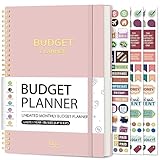
- Effective Budget Planning - Take control of your finances with the budget account book. This comprehensive planner allows you to plan and track your income, expenses, savings, and financial goals in one convenient place. With its intuitive layout and easy-to-use sections, you can stay organized and make informed decisions to achieve financial success.
- User-Friendly Layout - The budget planner features a user-friendly layout designed for easy navigation and organization. Each month, you'll find dedicated budget pages where you can set financial goals, track your income, and plan your expenses. Additional sections include debt trackers, savings goals, bill payment trackers, and more, making it simple to stay on top of your finances.
- Undated Monthly Calendar & Bonus Stickers - Featuring undated calendar each month, you'll have ample space to mark paydays, bills due, appointments, and important dates. Say goodbye to difficult writing spaces. Plus, we've included 3 cute sticker sheets that allow you to personalize your financial organizer and make budgeting more fun. Dates are not pre-printed and are completed by the user.
- Reliable and Convenient Design - Our monthly budget planner is designed for your convenience and built to last. The elastic band keeps everything securely in place, and the dual-sided pocket provides extra storage. Experience a budget planner that combines practicality and durability.
- Master Budgeting with Ease - Our financial planner includes a complete guidebook that provides valuable insights and instructions for optimal usage. From setting financial goals to tracking expenses, this guidebook offers step-by-step guidance and practical tips. Whether you're new to budgeting or an experienced user, this resource will help you make the most of your budget planner, empowering you to achieve financial success.
How a debt management plan works
With a DMP, you make one periodic payment to the counseling organization, which then pays participating creditors. Creditors may agree to lower interest rates or waive fees, but concessions are not automatic. Ask each creditor directly what it will offer and how the arrangement affects your account. A DMP is not a general solution for every debt; ask whether your debts are eligible, especially if they are secured by a home or vehicle.
The FTC cautions that a successful DMP can take 48 months or more. That is a general possibility, not a prediction for your situation. Before enrolling, check that the payment amount is realistic and that you understand the plan’s full cost and duration.
6. Screen counseling and debt-relief providers before sharing details
Ask a prospective provider for clear answers in writing. The CFPB advises consumers to check an organization’s services, costs, qualifications, and compensation practices, and to consult state consumer protection authorities about potential complaints.
- What services are available, and which debts can the provider help with?
- What are all fees, when are they charged, and what happens if you leave the program?
- What qualifications do counselors have, and how are employees compensated?
- Will you receive a written agreement describing the services, fees, and terms?
- What creditor concessions have actually been confirmed, and by whom?
The U.S. Department of Justice’s provider directory lists agencies approved for bankruptcy-related counseling and debtor education. It does not endorse or guarantee any provider, and its bankruptcy-related scope means it is not a general quality rating for all debt-help services. Check the provider’s terms and standing with appropriate state authorities as well.
Watch for promises of guaranteed debt elimination or fast forgiveness, demands for personal financial information in an unsolicited contact, or charges collected before services are performed. The FTC says: “When it comes to debt relief services, only scammers will tell you to pay them upfront before they settle any of your debts or enter you into a debt management plan.” It also says: “Reputable credit counseling organizations should send you free information about their services before you say anything about your situation.” Both statements appear in the FTC’s March 26, 2026 debt-relief scam alert. Do not pay or disclose sensitive information until you understand who you are dealing with and what the written terms say.
7. Keep the plan current as your circumstances change
Track balances, due dates, and payments so you can see whether the routine is working. Revisit your budget when your income or expenses change, and adjust the amount directed to extra repayment if the old figure is no longer realistic. A budget worksheet or simple spreadsheet is enough; you do not need to buy a planner to organize the information.
Do these 3 things before closing this tab:
1Repair Windows errors before they cause bigger problems2Fix the driver behind crashes, sound loss and screen glitches3Clear out junk files and repair common Windows errorsQuick Recap
Product prices and availability are accurate as of the date/time indicated and are subject to change. Any price and availability information displayed on Amazon at the time of purchase will apply.




