Free tools Windows power users keep installed
One-click scans. No signup required.
Probably not in the way the headline suggests. No official source establishes a single bill of equal size that every Californian will receive for the January 2025 Los Angeles-area fires. Costs can, however, reach people whose homes were not damaged, through two documented channels: assessments on the insurers that back the California FAIR Plan, and insurance rate-setting that can draw on wildfire catastrophe models and reinsurance costs. Which households, businesses and taxpayers end up absorbing what, and in what amounts, is not settled in the official record.
What the official record establishes
Three figures anchor the discussion. Each measures something different, and none of them is a total cost of the fires.
| Figure | What it measures | Source and date |
|---|---|---|
| $1 billion in additional funds | Amount the California FAIR Plan sought approval to raise after the Southern California fires. The official sources cited here do not state whether the request was approved in full. | California Department of Insurance announcement, February 2025 |
| More than $20 billion paid on more than 41,800 claims | Insurance claim payments reported to date. The update says 92% of claims were fully paid or underway. | California Department of Insurance update, November 24, 2025 |
| At least 85% of statewide market share | Share insurers must write in wildfire-distressed areas if they use catastrophe models or reinsurance costs in rate filings. | California Department of Insurance insurance-strategy summary, 2025 |
These figures are dated, and the most recent ones available for this article are from 2025. Claim totals and the FAIR Plan request may have changed since, so check the Department of Insurance’s current releases before quoting any of them. Do not add the three figures together; they describe an assessment request, claim payment progress and a regulatory market requirement.
How the FAIR Plan is funded
The California FAIR Plan is a safety-net insurer for property owners who cannot get coverage in the competitive market. The Legislative Analyst’s Office describes it as a temporary safety net. It draws on three sources, and each one moves cost to a different group.
#1 Best Overall

- Reliable Fire Protection: Stop basic home fires involving trash, wood, paper, liquids, gases, and electrical equipment
- All-Metal Construction: Made with robust materials for long-lasting durability
- Easy pull safety pin
- Compact & Lightweight: Aluminum construction and small size allow for easy storage and use
- Easy-to-Read Pressure Indicator: If arrow is in the green it’s charged
Premiums and reinsurance
Premiums paid by FAIR Plan policyholders and reinsurance, which is coverage the plan buys to share its own large losses, are the core funding sources. Costs in this layer fall on the pool’s own policyholders and its reinsurers.
Member-insurer assessments
When premiums and reinsurance are not enough, the plan can assess its member insurers. An assessment shifts part of the cost from the pool to the companies that belong to it, and those companies decide how much of that burden they carry themselves.
The $1 billion request and its split
In February 2025, the FAIR Plan sought approval for $1 billion in additional funds. The Department of Insurance said the Insurance Commissioner would protect consumers from bearing the full assessment directly, and that insurers would be responsible for half of it under an agreement reached in 2024.
Rank #2
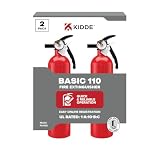
- Reliable Fire Protection: Stop basic home fires involving trash, wood, paper, liquids, gases, and electrical equipment
- All-Metal Construction: Made with robust materials for long-lasting durability
- Easy pull safety pin
- Compact & Lightweight: Aluminum construction and small size allow for easy storage and use
- Easy-to-Read Pressure Indicator: If arrow is in the green it’s charged
The official statements stop there. They do not say how the other half is recovered, or whether any part reaches policyholders through a surcharge or a later rate change. That open question is the crux of whether the headline’s claim holds.
What’s actually slowing this PC down?
Pick the symptom - the matching free tool is one click away.
How the fires can reach insurance premiums
Insurance rates are set through a regulatory filing process, and the Department of Insurance says wildfire is one of several drivers. Its insurance-strategy summary states:
“Wildfire catastrophes are one factor driving up the cost of insurance rates, along with liability, inflation, building material costs, and other causes.”
Rank #3
Sale AmzBoom Fire Extinguisher for Home, Car, Kitchen, and Boat 3-Pack, Portable Extinguishing Aerosol Spray Compact A, B, C, K – Includes Mounting Brackets for Easy Access.
- Simple, Fast Activation:Take control with an easy-to-use design—just press, aim, and spray. Each set is equipped with three fire extinguishers and sturdy mounting brackets for quick access in kitchens, cars, and other essential spots.
- Broad Fire-Fighting Abilities:Handle kitchen grease, wood, gasoline, and lithium-ion battery fires.The extinguisher’s advanced formula forms a protective coating to prevent reignition, ensuring peace of mind.
- Safe, Residue-Free Design:Made from non-toxic, eco-friendly ingredients, the water-based solution leaves no residue, ensuring cleanup is quick and safe around children, pets, and sensitive areas.
- Lightweight and Compact:Compact and portable, this fire extinguisher fits conveniently in car glove boxes, kitchen cabinets, or emergency kits, offering quick access in critical situations.
- Six Years of Confidence:Backed by a six-year warranty, this fire extinguisher ensures long-term protection. Customer support is always available to answer questions or provide guidance, ensuring you stay prepared.
Source: California Department of Insurance, insurance-strategy summary, 2025.
Catastrophe models and reinsurance costs
Under the state’s Sustainable Insurance Strategy, insurers may use catastrophe models and account for reinsurance costs in their rate filings. These inputs are the channel through which expected wildfire losses and the price of protecting against them can enter what policyholders pay. They are not a per-household fire charge.
Recommended Free Tools
The writing requirement
Insurers that use these methods must commit to writing at least 85% of their statewide market share in wildfire-distressed areas. The condition ties pricing flexibility to continued coverage in high-risk areas.
Rank #4

- Simple, Fast Activation:Take control with an easy-to-use design—just press, aim, and spray. Each extinguisher Emergency Survival Kits includes two sturdy mounting brackets for quick access in kitchens, cars, and other essential spots.
- Versatile 8-in-1 Fire Protection:Effectively tackles a variety of fires: wood, cooking oils, gasoline, and lithium-ion battery fires in devices like phones and laptops. A protective barrier helps prevent reignition for added security.
- Eco-Friendly and Non-Toxic Formula:The non-toxic, water-based formula is safe for users and the environment. It leaves no residue, making cleanup fast and mess-free—perfect for homes, vehicles, or offices.
- Compact and Portable:Lightweight and easy to store, this extinguisher fits into small spaces like kitchen drawers, glove compartments, or boat lockers, ensuring you’re prepared for emergencies anytime.
- Reliable 6-Year Warranty :Enjoy peace of mind with a six-year warranty. Whether it’s support, replacement, or guidance, the customer service team is ready to assist, keeping you safe and covered.
Mitigation data
The Department says rates approved under the strategy will draw on mitigation data. Its regulatory update states:
“With Commissioner Lara’s recent regulatory changes, rates approved by the Department under the Sustainable Insurance Strategy will reflect the best available scientific data on mitigation efforts by homeowners, businesses, local communities, state and federal governments, and utility companies for the first time.”
Source: California Department of Insurance, regulatory update, 2025. This describes how the model will use mitigation data. It does not establish a premium discount for any individual homeowner.
Quick wins for a faster PC:
Clear out junk files and repair common Windows errorsFree Scan →Fix the driver behind crashes, sound loss and screen glitchesFind Drivers →Repair Windows errors before they cause bigger problemsFix Now →Best Value

- First Alert's HOME1 FE1A10GR Fire Extinguisher is UL rated 1-A: 10-B:C; it features durable all-metal construction with a commercial-grade metal valve and trigger to meet demanding needs
- Multipurpose fire extinguisher fights wood, paper, trash, plastics, gasoline, oil, and electrical-equipment fires
- First Alert’s Rechargeable Fire Extinguisher can be recharged by a certified professional after use, allowing for reuse.
- Metal pull pin with a safety seal to help prevent accidental discharge and tampering; corrosion-resistant, easy-to-read, color-coded metal gauge; waterproof label with easy instructions
- U.S. Coast Guard–approved for marine use. Lightweight and easy to use
What “paid or underway” means for claims
The Department’s November 24, 2025 update reported more than $20 billion paid on more than 41,800 claims, and said 92% of claims were fully paid or underway. These are different states. A claim that is underway has not necessarily been paid in full, so 92% should not be read as 92% of claims settled. The figure also counts insurance claim payments only. Uninsured losses, rebuilding paid for out of pocket and public spending all fall outside it.
Public recovery help
California’s official wildfire assistance page covers financial assistance, mortgage-relief resources and recordkeeping for recovery spending. It also describes protections that apply after a wildfire disaster. Eligibility and terms change, so use the official page for current rules rather than a summary. The state advises affected residents to keep records of recovery expenses, including temporary-housing costs:
- Financial-assistance information, through the official page.
- Mortgage-relief resources for affected borrowers.
- Receipts and records of temporary-housing and other recovery expenses.
The page does not quantify total public spending on recovery, so no taxpayer cost figure is established here.
Who pays, by group
The table separates each group from the mechanism that could touch it and what the official sources establish. “Not stated” means the cited material gives no figure or allocation for that group.
| Group | Possible exposure | What the official sources establish |
|---|---|---|
| Owners of damaged property | Losses beyond insurance payouts, rebuilding costs, temporary-housing costs | Insurance claims paid in aggregate as of November 2025. Uninsured losses: not stated. |
| Member insurers | Share of the FAIR Plan assessment | Responsible for half the assessment under a 2024 agreement, per the Department of Insurance (February 2025). |
| FAIR Plan policyholders | Premiums that fund the pool; any recovery of the remaining half of the assessment | Premiums and reinsurance are funding sources (Legislative Analyst’s Office). Recovery method for the remaining half: not stated. |
| Insurance policyholders statewide | Rate changes reflecting wildfire, reinsurance and other drivers | Drivers identified by the Department of Insurance (2025). No statewide wildfire premium impact stated. |
| Taxpayers | Public recovery programs and spending | Total public expenditure: not stated on the California assistance page. |
| Businesses | Losses, rate changes, recovery costs | Not stated. Businesses appear only as contributors to mitigation data in the Department’s 2025 regulatory update. |
Questions to ask about a rate change
If your own premium rises, the official record supports a few specific questions to put to your insurer:
Quick Recap
- Is the change part of a rate filing approved by the Department of Insurance, and does that filing rely on catastrophe-model or reinsurance costs?
- Which components drive the increase, and how much reflects wildfire compared with liability, inflation or building-material costs?
- Does your rating account for mitigation work on your home, and what documentation does the insurer require?
Product prices and availability are accurate as of the date/time indicated and are subject to change. Any price and availability information displayed on Amazon at the time of purchase will apply.




