For U.S. federal qualifying-child dependency rules, a full-time student is enrolled for the number of hours or courses the school considers full-time. To qualify for the student age extension, the child generally must be a full-time student during part of each of five calendar months in the tax year; those months do not have to be consecutive. This definition does not automatically determine eligibility for every tax benefit.
How the IRS defines a full-time student for dependency
IRS Publication 501 defines a full-time student as someone enrolled for the number of hours or courses the school considers full-time attendance. The IRS does not set a universal credit-hour threshold, so 12 credits is not automatically the rule for every college or program. Check the school’s own enrollment standard and whether it treats the student as full-time.


The IRS definition of an eligible school includes elementary and secondary schools, colleges and universities, and technical, trade, or mechanical schools. Publication 501 excludes on-the-job training, correspondence schools, and schools offering courses only through the Internet. See the IRS Publication 501 for the applicable details.
How the five-month rule works
For the qualifying-child student age test, the child generally must be a full-time student during some part of each of five calendar months in the tax year. The five months need not be consecutive. A student’s full-time status for only one or several months does not by itself meet this five-month test.
Free tools Windows power users keep installed
One-click scans. No signup required.
#1 Best Overall
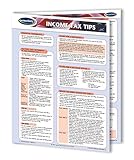
- Quick reference learning guide
- Definitions and glossary of terms
- Tax tips, and everything else you need to know about filing
- Common mistakes, understand audits
- Claiming a dependant and more
Publication 17 also describes the school-set attendance threshold and five-month requirement. It notes that vocational high-school students working co-op jobs as part of the school’s regular classroom and practical training are considered full-time students. See IRS Publication 17.
When a student can qualify as a dependent’s qualifying child
For the qualifying-child age test, a child generally must be under 19 at the end of the year, or under 24 if a full-time student. A separate age rule applies to a person who is permanently and totally disabled. Meeting the student age test alone does not make someone a dependent: the relationship, residency, support, and joint-return requirements must also be satisfied. The IRS explains these tests in Publication 501.
For example, being 23 and enrolled full-time may satisfy the student-related age condition, but it does not settle whether a parent can claim the student. The other qualifying-child requirements still need to be checked against the family’s facts.
Full-time status is not the same for every tax benefit
| Tax context | Enrollment or student rule | Other conditions |
|---|---|---|
| Qualifying-child dependency | The school determines the hours or courses that count as full-time; the student age extension generally requires full-time status during part of each of five calendar months. | Relationship, age, residency, support, and joint-return rules also apply. See Publication 501. |
| American Opportunity Credit | At least half-time enrollment for at least one academic period in a degree, certificate, or other recognized credential program is among the requirements; the dependency full-time definition does not control this test. | Eligibility also depends on the taxpayer, student, qualified expenses, and other restrictions. See IRS guidance on the American Opportunity Tax Credit. |
| Earned Income Tax Credit qualifying child | The applicable student age test for a qualifying child under 24 requires full-time student status for at least five months; the school sets the hours-or-courses standard. | Other EITC qualifying-child rules apply. See IRS guidance on the Earned Income Tax Credit. |
What to check before claiming a student
- Identify the tax benefit or filing rule you are applying: dependency, an education credit, or the EITC.
- Ask the school what hours or courses it considers full-time for the student’s program, and verify that the school fits the applicable IRS definition.
- For a qualifying-child student age test, determine whether the student was full-time during at least part of five calendar months in the tax year.
- Apply every other test for that tax benefit; enrollment status by itself does not establish eligibility.
- Confirm the rules for the tax year being filed in the relevant IRS publication. IRS guidance and tax-year instructions can change.
This article covers U.S. federal IRS rules reflected in the 2025 tax-year publications reviewed on October 7, 2026. It does not establish state-specific rules, and the result in an individual case depends on the complete facts.
Recommended Free Tools
Quick Recap
Best Value
Product prices and availability are accurate as of the date/time indicated and are subject to change. Any price and availability information displayed on Amazon at the time of purchase will apply.




