Free tools Windows power users keep installed
One-click scans. No signup required.
Binance Smart Chain (BSC), now officially called BNB Smart Chain, is a public Layer 1 blockchain for smart contracts and decentralized applications. It is compatible with the Ethereum Virtual Machine (EVM), uses BNB to pay transaction fees and support staking, and is designed for fast block production and relatively low-cost transactions.
BSC is part of the broader BNB Chain ecosystem, but it is not the same thing as Binance, BNB Chain, or opBNB. Its main practical trade-off is clear: users get familiar Ethereum-compatible tools and generally inexpensive transactions, while accepting a smaller and more concentrated validator structure than Ethereum’s.
As an Amazon Associate I earn from qualifying purchases.
What does BSC stand for?
BSC originally stood for Binance Smart Chain. Its current official name is BNB Smart Chain, although wallets, exchanges, token listings and users still commonly call it BSC.
What’s actually slowing this PC down?
Pick the symptom - the matching free tool is one click away.
The terminology matters:
| Name | Meaning |
|---|---|
| BNB Smart Chain (BSC) | The EVM-compatible smart-contract Layer 1. |
| BNB Chain | The broader ecosystem that includes BSC, opBNB and BNB Greenfield. |
| BNB | The cryptocurrency used for BSC gas and staking. |
| Binance | A centralized exchange and related business ecosystem, not the blockchain itself. |
| opBNB | A separate Layer 2 scaling network built on BSC. |
| BNB Greenfield | A separate decentralized storage network. |
You do not need a Binance exchange account to use BSC. A compatible self-custody wallet can connect directly to the network.
#1 Best Overall

- Proven security at scale: Over 9 years and millions of cards issued with no known remote hacks, while military‑grade EAL6+ security keeps your private keys locked inside the chip. Your cryptocurrencies stay strongly protected from online attackers.
- Tap once to manage your entire crypto wallet across 90 blockchains - no USB cables or Bluetooth, no batteries, no setup. Access 14,100+ coins & tokens, DeFi, NFTs, and staking instantly from your phone
- Smart backup: Use your second Tangem Wallet as your Backup keys with end‑to‑end encryption; no more papers, pictures. If one card is lost, the remaining can still restore full access, with an optional seed phrase available for advanced users.
- Engineered to last up to 25 years: Waterproof (IP69K), shockproof and tested for extreme temperatures from −25°C to 50°C. A durable cold wallet with long‑term protection and independently audited security.
- Trusted by 6 million users worldwide (4.9 App Store, 4.8 Google Play) - buy, sell, swap, stake, and spend cryptocurrency directly. The secure offline storage wallet designed for how people actually use crypto wallets
BSC launched in 2020 to provide an Ethereum-compatible smart-contract platform with a focus on lower transaction costs, fast block production and broad access to familiar developer tools. The official BNB Chain documentation describes its current architecture and terminology in its BSC introduction.
How BSC fits into BNB Chain
| Network | Primary role | Relationship to BSC |
|---|---|---|
| BNB Smart Chain | Smart contracts, DeFi, games, NFTs and token execution | Main Layer 1 |
| opBNB | Lower-cost Layer 2 scaling | Built on BSC, but a separate network |
| BNB Greenfield | Decentralized data storage | Separate network connected to the ecosystem |
opBNB is not another name for BSC. It has different chain IDs, RPC endpoints, explorers and transaction environments. The former BNB Beacon Chain’s staking and governance functions were migrated during the BNB Chain Fusion process, after which the Beacon Chain was sunset. Current ecosystem information is available in the BNB Chain documentation.
How BSC works
EVM compatibility
BSC supports the Ethereum Virtual Machine. Developers can therefore use many familiar tools, including Solidity, MetaMask, ethers.js, web3.js, Remix, Hardhat and Foundry. Applications can communicate through Ethereum-style JSON-RPC methods, and users interact with account addresses and smart contracts in a familiar format.
EVM compatibility does not mean that every Ethereum application or asset automatically exists on BSC. A project must deploy its contracts on BSC, and an asset must be issued, bridged or otherwise supported on that network. The official developer guide covers the basic development environment.
Proof of Staked Authority
BSC uses Proof of Staked Authority (PoSA), a design that combines staking-based validator selection with an authority-style block-production system.
- Validators bond BNB or receive delegated BNB.
- Validator ranking influences eligibility.
- A limited active set produces and validates blocks.
- Validators take turns producing blocks.
- Misbehavior, such as double-signing, can result in penalties or slashing.
- Delegators can stake with validators without operating a full validator node.
The official documentation currently describes 45 active validators: 21 Cabinet validators and 24 Candidate validators. A consensus group of 21 validators is selected for each epoch, with elections occurring daily after 00:00 UTC. These figures and mechanics can change through protocol upgrades, so they should be treated as current documented values rather than permanent limits. See the validator overview.
Rank #2

- Effortlessly build your crypto portfolio via the all in one Ledger Wallet app: buy, sell, send, receive, swap, stake and more across popular blockchains. 15,000+ coins & tokens in a single dashboard. Keep a close eye on the market. Compare service providers. Track performance. Get timely alerts. Build your portfolio with confidence.
- Enjoy Bluetooth connectivity, iOS access, and hours of battery use with this mobile-first, secure backup signer. Freedom you can depend on.
- Genuine Check: confirm your signer is authentic during setup with the Ledger Wallet app.
- Protect your signer: keep it in mint condition at all times with a bespoke Pod or Case to avoid scratches and everyday wear and tear.
Blocks and finality
BNB Chain’s current introduction documentation gives an approximate block time of 0.45 seconds. With Fast Finality enabled, finality can be reached in approximately 1.125 seconds when at least two-thirds of validators vote normally.
Recommended Free Tools
That is not a guaranteed settlement time for every transaction. Network conditions, validator participation, application behavior, bridge requirements and exchange confirmation policies can all add delay. If the required finality votes are unavailable, the network falls back to probabilistic finality; additional confirmations improve confidence. Developers that need finalized data can query the finalized JSON-RPC block tag.
What is BNB’s role on BSC?
BNB has several distinct functions on BSC:
- Gas: BNB pays transaction fees.
- Staking: Validators and delegators use BNB in the network’s staking system.
- Ecosystem utility: BNB is used across applications and services in the wider BNB Chain ecosystem.
- Validator rewards: Under the current documented model, validator rewards primarily come from transaction fees rather than mining issuance.
Holding a BEP-20 token is not the same as holding BNB. A wallet can contain USDT, USDC or another token and still be unable to move it because it has no BNB on BSC to pay gas.
What are BEP-20 tokens?
BEP-20 is BSC’s principal fungible-token standard. It is conceptually similar to Ethereum’s ERC-20 standard, but a BEP-20 token is a contract deployed on BSC with BSC transactions and BSC gas.
The same ticker can refer to different contracts on different networks. For example, an asset labelled USDT, USDC or ETH may have separate versions on Ethereum, BSC, opBNB and other networks. The token’s contract address and network are more reliable identifiers than its ticker or logo.
Do these 3 things before closing this tab:
1Fix the driver behind crashes, sound loss and screen glitches2Repair Windows errors before they cause bigger problems3Scan for outdated or missing drivers - takes under a minuteBEP-20 tokens are not automatically interchangeable with ERC-20 tokens. Moving an asset between networks requires a supported bridge, an exchange withdrawal route or another cross-chain mechanism. BEP-20 is also different from NFT-related standards such as BEP-721 and BEP-1155.
Rank #3

- EAL5+ CERTIFIED SECURE ELEMENT + FINGERPRINT PROTECTION — Your private keys stay encrypted offline on a certified EAL5+ chip, the same security tier used in EMV bank cards. Built by DCENT, securing crypto since 2018. Fingerprint authentication adds a second layer no PIN-only wallet can match.
- 10,000+ ASSETS NATIVE ON 100+ BLOCKCHAINS — Hold Bitcoin, Ethereum, XRP, Solana, Cardano, popular stablecoins (USDT, USDC), and NFTs in one wallet. No third-party apps, no fragmented setup — every supported asset works straight out of the box.
- TAP-TO-SIGN MOBILE EXPERIENCE — Pair your wallet with the DCENT mobile app over Bluetooth. Manage tokens, review transactions, and access in-app swap features directly from your phone — no cables, no desktop required.
- WEB3 & dAPP ACCESS VIA METAMASK — Connect to MetaMask and other browser extension wallets to manage NFTs, claim airdrops, and access dApps. A large screen and intuitive 4-button interface keep every transaction clearly visible before you sign.
- SEAMLESS FIRMWARE UPDATES & 30-DAY MONEY-BACK GUARANTEE — Apply security updates without resetting your wallet or migrating funds. Backed by Amazon's 30-day money-back guarantee — your purchase is risk-free.
BSC network details
BSC Mainnet
- Network name: BSC Mainnet
- Chain ID:
56(hexadecimal0x38) - Native currency: BNB
- Official public RPC example:
https://bsc-dataseed.bnbchain.org - Explorer: bscscan.com
BSC Testnet
- Network name: BSC Testnet
- Chain ID:
97(hexadecimal0x61) - Native currency: tBNB
- Official public RPC example:
https://data-seed-prebsc-1-s1.bnbchain.org:8545 - Explorer: testnet.bscscan.com
RPC endpoints can change, experience rate limits or be unsuitable for production workloads. The official documentation currently notes a limit of 10,000 requests per five minutes for listed public endpoints and warns that eth_getLogs may be disabled on some public mainnet endpoints. Production applications normally need dedicated providers, retries, monitoring and fallback endpoints. See the current wallet configuration and JSON-RPC documentation before configuring a system.
How to use BSC with a wallet
- Install an EVM-compatible wallet.
- Confirm that it supports BSC natively or allows custom networks.
- Select or add BSC Mainnet.
- Verify chain ID
56and the RPC domain before approving. - Obtain a small amount of BNB on BSC for gas.
- Send a small test transaction before moving a large balance.
- Confirm that both the sender and recipient use BSC, not Ethereum, opBNB or another network.
- Check the transaction hash on BscScan.
MetaMask, Trust Wallet and other EVM wallets can support BSC, but interface labels and setup flows vary by wallet version. A custom network is only as trustworthy as the RPC information you verify.
For developers
- Add BSC Testnet with chain ID
97. - Obtain tBNB from the official testnet faucet.
- Deploy and test contracts.
- Test token transfers, permissions, error handling and contract verification.
- Move to mainnet only after checking addresses, chain IDs, permissions and contract behavior.
How BSC transaction fees work
The basic formula is:
Transaction fee = gas used × gas priceFees are paid in BNB. A simple native BNB transfer generally uses less gas than a token transfer. A decentralized-exchange swap may require a separate token approval transaction before the swap itself. Failed transactions can still consume gas because the network processed the attempted execution.
Wallet estimates are not guarantees, and the final amount can vary with transaction complexity and network conditions. “Low fees” does not mean free transactions. Avoid quoting a fixed dollar fee without specifying the date, BNB price, transaction type and network conditions.
What can people do on BSC?
- DeFi: decentralized exchanges, lending, borrowing, liquidity provision, stablecoin transfers, yield products and derivatives.
- Payments and transfers: token movement, exchange deposits and withdrawals, and settlement applications.
- NFTs and gaming: digital collectibles, in-game assets, NFT issuance and game economies.
- Developer infrastructure: smart contracts, wallets, oracles, indexers, analytics, account abstraction and RPC services.
The official developer guide lists tools and integrations including MetaMask, Trust Wallet, ethers.js, web3.js, Remix, Hardhat, Foundry, BscScan, The Graph, Covalent and Binance Oracle. A listing in an ecosystem directory does not necessarily mean BNB Chain operates, audits, guarantees or endorses every listed service.
BSC versus Ethereum
| Criterion | BSC | Ethereum mainnet |
|---|---|---|
| Virtual machine | EVM-compatible | Native EVM environment |
| Native gas asset | BNB | ETH |
| Validator structure | Smaller, staking-ranked active set | Broader validator ecosystem |
| Fee positioning | Generally lower-cost positioning | Can become more expensive during congestion |
| Confirmation experience | Fast block production and fast-finality design | Different confirmation and finality model |
| Decentralization trade-off | More concentrated block-production structure | Generally broader participation |
| Tooling | Many Ethereum tools can be used | Native origin for much EVM tooling |
BSC may be attractive when cost, speed, existing BNB access and EVM compatibility matter. Ethereum may be preferable when a user needs a specific Ethereum-native protocol, broader validator participation or a different neutrality and censorship-resistance profile.
Rank #4

- Proven security at scale: Over 9 years and millions of cards issued with no known remote hacks, while military‑grade EAL6+ security keeps your private keys locked inside the chip. Your cryptocurrencies stay strongly protected from online attackers.
- Tap once to manage your entire crypto wallet across 90 blockchains - no USB cables or Bluetooth, no batteries, no setup. Access 14,100+ coins & tokens, DeFi, NFTs, and staking instantly from your phone
- Smart backup: Use your second Tangem Wallet as your Backup keys with end‑to‑end encryption; no more papers, pictures. If one card is lost, the remaining can still restore full access, with an optional seed phrase available for advanced users.
- Engineered to last up to 25 years: Waterproof (IP69K), shockproof and tested for extreme temperatures from −25°C to 50°C. A durable cold wallet with long‑term protection and independently audited security.
- Trusted by 6 million users worldwide (4.9 App Store, 4.8 Google Play) - buy, sell, swap, stake, and spend cryptocurrency directly. The secure offline storage wallet designed for how people actually use crypto wallets
“Decentralized” is not a single yes-or-no property. Relevant dimensions include validator count, stake distribution, geographic and organizational diversity, client diversity, governance control, censorship resistance and whether ordinary users can independently validate the network. BSC’s smaller active validator structure is the central trade-off behind its performance and cost positioning.
Security and risk
Protocol-level risks
- Validator concentration and stake concentration.
- Governance and upgrade risk.
- Validator penalties or misbehavior.
- Network outages or emergency interventions.
- Dependence on a particular implementation and validator ecosystem.
Application-level risks
- Malicious contracts, rug pulls and fake tokens.
- Unlimited token approvals.
- Hidden mint, blacklist, pause or transfer-tax functions.
- Oracle manipulation and liquidity withdrawal.
- Phishing and wallet-draining signatures.
Bridge risks
A bridge can introduce contract, validator, custody, liquidity and operational risks that are separate from the underlying chain. A token’s presence on BSC does not prove it is the canonical version. Verify whether the asset is native, wrapped, issuer-controlled or issued through a particular bridge.
User-operation risks
Transactions are generally irreversible once confirmed. Before sending funds, verify the source network, destination network, recipient address, token contract, exchange deposit requirements and any required memo or tag.
Independent reader supportYour contribution helps us test, update, and keep practical guides available for everyone.Bridging, exchange transfers and swaps are different
- Native BSC transfer: sends an asset between two BSC addresses.
- Exchange withdrawal: asks an exchange to send an asset over a selected network.
- Bridge transfer: moves an asset between networks through a bridge mechanism.
- Swap: exchanges one token for another through a decentralized or centralized market.
Before using any route, check the source and destination networks, token contract, whether the destination supports that exact combination, fees and minimums, settlement time, and whether the asset is native or wrapped. A compatible-looking address does not prove that the receiving network supports the asset.
Common BSC problems
“My token disappeared”
- Check the transaction hash and destination address on BscScan.
- Switch the wallet to BSC Mainnet.
- Confirm the wallet address is correct.
- Import the verified token contract if the wallet does not display it automatically.
- Check whether the transaction failed, the asset was sent to opBNB, or the receiving exchange does not support that network.
These are the main causes documented in BNB Chain’s missing-token troubleshooting guide.
The Tool Desk
Outbyte Driver Updater FREEFix the driver behind crashes, sound loss and screen glitchesFind Drivers →Outbyte PC Repair FREEClear out junk files and repair common Windows errorsFree Scan →“I have tokens but cannot move them”
You probably lack BNB on the same network to pay gas. Holding a token does not automatically provide transaction fees.
Best Value
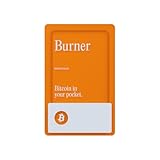
- Simple, Secure Bitcoin Storage for Anyone: Create a safe, offline place to hold Bitcoin without needing an app, account, seed phrase, or technical setup. Perfect for beginners, casual users, and anyone who wants a stress-free cold storage option.
- Easy to Load with Bitcoin in Seconds: Each card includes a unique deposit address so you can add Bitcoin quickly from any exchange or wallet. Designed to make storing and gifting Bitcoin intuitive, even for people who are new to crypto.
- Keeps Your Bitcoin Offline and Protected: Funds are stored in cold storage, keeping them completely offline and isolated from online threats. A durable, printed wallet format ensures long-term security whether you store it at home, in a safe, or on the go.
- Great for Gifting Bitcoin to Family & Friends: A fun, thoughtful way to introduce others to Bitcoin. Perfect as a birthday gift, stocking stuffer, party favor, graduation present, or starter wallet for someone learning how digital assets work.
- High-Quality Card Built for Everyday Use: Printed on premium materials and sealed for security and durability. Slim, credit-card style design fits easily into a wallet, gifting envelope, or safe deposit box for long-term use and convenience.
“I sent BNB but the recipient did not receive it”
Check whether the transaction succeeded, whether the address is correct, whether the recipient expected BSC or another network, whether an exchange required a memo or tag, and whether the asset was native BNB or a wrapped token.
“The transaction failed”
Possible causes include slippage limits, insufficient gas, a contract revert, an expired transaction, a nonce conflict, an RPC or wallet error, insufficient DEX liquidity or token transfer restrictions. A failed transaction can still consume gas.
Useful JSON-RPC examples
The following examples use the official public RPC example. They are suitable for basic inspection, not as a production infrastructure recommendation.
Quick wins for a faster PC:
Clear out junk files and repair common Windows errorsFree Scan →Scan for outdated or missing drivers - takes under a minuteDriver Scan →Check the latest block
curl -X POST https://bsc-dataseed.bnbchain.org
  -H "Content-Type: application/json"
  --data '{
    "jsonrpc":"2.0",
    "method":"eth_blockNumber",
    "params":[],
    "id":1
  }'
Get a native BNB balance
curl -X POST https://bsc-dataseed.bnbchain.org
  -H "Content-Type: application/json"
  --data '{
    "jsonrpc":"2.0",
    "method":"eth_getBalance",
    "params":[
      "0x0000000000000000000000000000000000000000",
      "latest"
    ],
    "id":1
  }'
Replace the zero address with the wallet address being checked.
Query a finalized block
{
  "jsonrpc": "2.0",
  "method": "eth_getBlockByNumber",
  "params": ["finalized", false],
  "id": 1
}
Production applications should normally use a dedicated RPC provider, monitoring, retries and fallback endpoints rather than depending on one public endpoint.
When is BSC a good fit?
BSC may suit users or developers who value lower transaction costs, fast block production, EVM compatibility, existing access to BNB and a broad trading, DeFi, gaming or token ecosystem.
It may be a poor fit for users who require maximum validator decentralization, the strongest possible neutrality from a major commercial ecosystem, a specific Ethereum-only protocol, maximum censorship resistance, or high-volume production RPC access through free public endpoints.
Quick Recap
Product prices and availability are accurate as of the date/time indicated and are subject to change. Any price and availability information displayed on Amazon at the time of purchase will apply.




