China After Mao: The Rise of a Superpower is Frank Dikötter’s history of China from Mao Zedong’s death in 1976 to Xi Jinping’s rise in 2012, according to publisher Bloomsbury. It examines economic change alongside political developments; the Scroll.in excerpt published on October 18, 2022, offers a selected view of Beijing in 1989 rather than a statistical account of the country as a whole.
What the book covers
Bloomsbury describes China After Mao as a history spanning 1976 to 2012. Its publisher synopsis follows the reform era and the country’s economic and political transformation, including urban and industrial change, shadow banking, anti-corruption campaigns, economic contradictions and the growth of state power. That is the publisher’s account of the book’s scope and emphasis, not an independent assessment of every chapter.
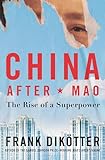


The book’s central subject is therefore broader than economic growth alone. It considers how China changed after Mao while keeping the political context in view. Dikötter’s interpretation should be distinguished from a neutral consensus: the publisher presents the book as an account of the transformation and its tensions, rather than as a single measure of China’s economic performance.
What the 1989 excerpt shows—and what it does not
The Scroll.in passage is set in Beijing in 1989. It depicts new forms of consumption and commerce emerging alongside scarcity, low living standards, migration and political tension. Its value is in the contrast it draws between visible change and continuing hardship in that setting.
Do these 3 things before closing this tab:
1Scan for outdated or missing drivers - takes under a minute2Repair Windows errors before they cause bigger problems3Fix the driver behind crashes, sound loss and screen glitches#1 Best Overall
Because it is a selected passage, it should not be treated as representative statistical evidence about living standards across China, or as a summary of the entire book. The scene is one part of a larger history; Bloomsbury’s description supplies the broader stated period and themes.
How to read the “backwater to superpower” framing
Bloomsbury’s November 2022 catalog characterizes the transformation as a rise from the 126th-largest economy in the world to the second-largest. That is the publisher’s 2022 figure, not a current ranking independently verified here. The catalog also describes the book as taking readers from rural villages to industrial metropolises and party conclaves. These claims convey the scale and range the publisher attributes to the book, but they should remain attributed to Bloomsbury rather than presented as an independently established statistical conclusion.
Rank #2

- Used Book in Good Condition
The title’s “rise of a superpower” framing signals the book’s subject and interpretation. Readers seeking an economic history can expect that subject to be treated alongside party policy and political change, rather than as a story of markets or growth in isolation. The available publisher description establishes that framing; it does not establish a chapter-by-chapter evaluation or a comparison with other histories of China.
Independent reader supportYour contribution helps us test, update, and keep practical guides available for everyone.Available editions
Bloomsbury lists a paperback and an ebook. Check the regional retailer listing for the edition and availability you want; no current retail price is established here.
Recommended Free Tools
Quick Recap
Best Value
| Edition | ISBN | Publisher-listed publication date |
|---|---|---|
| Paperback | 9781526660541 | September 29, 2022 |
| Ebook | 9781639730520 | November 15, 2022 |
Product prices and availability are accurate as of the date/time indicated and are subject to change. Any price and availability information displayed on Amazon at the time of purchase will apply.




