Quick wins for a faster PC:
Scan for outdated or missing drivers - takes under a minuteDriver Scan →Clear out junk files and repair common Windows errorsFree Scan →Beluga was one of Facebook’s earliest clearly documented product-and-technology acquisitions, but it was not unambiguously the first. Facebook had agreed to acquire FriendFeed in 2009, before buying Beluga in March 2011. Beluga’s stronger claim is that Facebook explicitly described acquiring both its “talent and assets,” then used the team and Beluga’s technical approach to help build Messenger.
What counts as a “real product acquisition”?
The phrase can mean several different things. A company may acquire a startup that already has a working product, yet mainly want its employees. Or it may acquire the product’s technology and assets, keep the service running, or integrate its features into a larger offering. Those are related but not identical claims.
As an Amazon Associate I earn from qualifying purchases.
For Beluga, the evidence is strongest for a functioning product, an explicit acquisition of assets as well as talent, and later use of the team’s work in Messenger. The evidence does not establish that Beluga was a large standalone business or that Facebook intended to preserve it indefinitely under its original name.
Recommended Free Tools
What Beluga was
Beluga was a mobile group-messaging service launched in December 2010. Users could create private groups called “pods” and exchange text messages, images and emoticons. Its founders—former Googlers Lucy Zhang, Ben Davenport and Jon Perlow—built the service before Facebook announced its acquisition on March 1, 2011. TechCrunch’s account of Beluga’s launch and shutdown describes the product and its founders.
#1 Best Overall
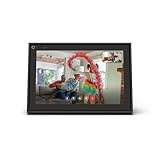
- A more natural connection. Smart Camera adjusts automatically so you can move freely and stay in frame, while Smart Sound ensures you can easily be heard.
- Call anyone, anywhere. Use apps like Messenger and WhatsApp to connect with friends and family—even if they don’t have a Meta Portal.
- Designed for the home. With a sleek picture frame design, quick setup and intuitive voice and touchscreen controls, Portal fits easily and seamlessly into your home.
- Privacy by design. Easily disable the camera and microphone, or block the lens with the camera cover.
What Facebook said it acquired
Facebook’s public description, reported by TechCrunch, was that it had acquired Beluga’s “talent and assets.” That wording matters: it points beyond a deal framed solely around hiring the three founders. Contemporary coverage characterized the transaction as a talent-and-technology acquisition, an unusual distinction against the reported pattern of Facebook buying startups chiefly for their people. That pattern is a contemporary characterization, not a definitive classification of every earlier Facebook deal. TechCrunch’s March 2011 report records Facebook’s wording and notes that the financial terms were not disclosed.
The available record supports identifying the team, the live product and its assets or technology as part of the deal. It does not establish a purchase price, a substantial independent revenue business, or a large user base. The acquisition therefore qualifies as a product-and-technology deal without necessarily being a purchase of a scaled consumer business.
Rank #2

- Scale up your greatest conversations. Smart video calling on your TV brings your favorite people, larger-than-life, into your living room.
- Share the room. Perfect for group calls. Meta Portal TV captures your whole room so everyone is in view without jostling for position.
- Call anyone, anywhere. Use apps like Messenger and WhatsApp to connect with friends and family—even if they don’t have a Meta Portal.
- A more natural connection. Smart Camera adjusts automatically so you can move freely and stay in frame, while Smart Sound ensures you can be heard clearly.
- Privacy by design. Easily disable the camera and microphone, or block the lens with the camera cover.
Why FriendFeed makes “first” debatable
Facebook announced its agreement to acquire FriendFeed on August 10, 2009, more than a year and a half before the Beluga announcement. Facebook’s own announcement called FriendFeed an “innovative service,” said its site would continue operating, and said the companies expected to bring FriendFeed’s innovations to Facebook users. Under the broad definition of acquiring a company that has a functioning product or service, FriendFeed came first. Facebook’s announcement establishes that earlier chronology and its stated plans.
Windows Errors? Fix Them Before They Spread
Repair common Windows errors and clear accumulated junk for a smoother, more stable PC - no reinstall needed.Free scan · no reinstallCrashes, No Sound, or Screen Glitches?
Random freezes, missing sound and display glitches usually trace back to one bad driver. Find and replace yours safely.Free scan · under a minuteWhat FriendFeed’s acquisition was chiefly intended to achieve is less clear. Contemporary observers argued that Facebook may have valued its founders and engineering talent especially highly. That interpretation does not erase the service Facebook acquired, nor does the service’s continued operation at the time prove it was the deal’s primary strategic purpose. The distinction is between an earlier service acquisition and Beluga’s unusually explicit “talent and assets” description.
Rank #3

- Feel close, wherever you roam. With the best of Meta Portal smart video calling made portable, you can take the conversation anywhere in your home.
- Designed for calls on the go. A long-lasting battery and integrated handle make it easy to move from room to room.
- Call anyone, anywhere. Use apps like Messenger and WhatsApp to connect with friends and family—even if they don’t have a Meta Portal.
- A more natural connection. Smart Camera adjusts automatically so you can move freely and stay in frame, while Smart Sound ensures you can always be heard.
- Great sound anywhere. Listen to music with a speaker that can fill any room. Doubles as a portable Bluetooth speaker around the home.
The Messenger evidence
The clearest evidence that Beluga was more than a recruiting exercise is what followed. Facebook launched a standalone Messenger app in August 2011, built by the Beluga founders. Facebook’s engineering account says Messenger combined Beluga’s simplicity with the scale and integration of Facebook Messages; it also describes technical work related to persistent connections and MQTT. Facebook Engineering’s account of building Messenger provides the company’s explanation.
That does not mean Messenger was simply Beluga renamed. It was a new Facebook product that drew on Beluga’s user experience and technical work while using Facebook’s existing messaging infrastructure. The distinction matters: Beluga helped shape Messenger, but the evidence does not attribute every Messenger feature to Beluga.
Rank #4

- Move and talk freely with Smart Camera: With Smart Camera, you don’t have to worry about being out of frame. Whether you’re moving around the kitchen, prepping dinner or chasing the kids through the living room, Smart Camera adjusts to follow the action. And as more people enter a room, Smart Camera automatically widens to keep everyone in view, so you don’t miss a moment
- Private by design: Facebook doesn't listen to, view or keep the contents of your Portal video calls. Calls on Portal are encrypted, so conversations stay between you and those you're calling. You can also completely disable the camera and microphone with a single tap, or block the camera lens with the camera cover provided
- Connect with friends, even if they don't have Portal: Easily call friends and family on Messenger — calls can be made seamlessly to and from smartphones and tablets. And you can bring up to six other people into a group call
- Alexa built-in: Portal has Alexa built-in, so you can ask a question, set a timer, add items to your shopping list, control your smart home or more. Just ask
- Experience more together: With Portal, story time will never be the same. With music, animation and augmented reality effects, Portal lets you become some of your children’s favorite characters as you read along to well-loved stories. And if friends or family also have Portal, you can listen to your favorite music together as if you were in the same room, without delays or feedback
Facebook initially said Beluga would keep operating after the acquisition, with accounts and data not immediately lost. Later in 2011, the service was scheduled to stop sending messages on November 11; existing messages were to remain available until December 15. Its retirement alongside Messenger is consistent with functionality moving into Facebook’s new product, rather than proof by itself that Beluga had no product value. TechCrunch reported the transition timetable.
Why Instagram does not settle the question
In April 2012, Facebook announced its Instagram acquisition and called it the first time it had acquired “a product and company with so many users.” The qualification is about scale: Facebook did not say Instagram was its first product acquisition of any kind. Instagram was a clearer purchase of a major standalone consumer product that Facebook said it would continue operating independently, with its brand and social graph preserved. Beluga, by contrast, was a smaller product-and-team deal whose work was integrated into Messenger. Facebook’s Instagram announcement supplies the exact scale qualifier.
Best Value

- A more natural connection. Smart Camera adjusts automatically so you can move freely and stay in frame, while Smart Sound ensures you can easily be heard.
- Call anyone, anywhere. Use apps like Messenger and WhatsApp to connect with friends and family—even if they don’t have a Meta Portal.
- Designed for the home. With a sleek picture frame design, quick setup and intuitive voice and touchscreen controls, Meta Portal fits easily and seamlessly into your home.
- Privacy by design. Easily disable the camera and microphone, or block the lens with the camera cover.
Verdict by definition
| Meaning of “first real product acquisition” | Verdict |
|---|---|
| First acquisition of any functioning service | No. FriendFeed was announced earlier, in August 2009. |
| Early deal explicitly described as acquiring product assets as well as talent | Beluga is one of the clearest documented examples; Facebook’s “talent and assets” wording supports that reading. |
| Acquisition whose team and technical approach helped build a major Facebook product | Beluga has a strong claim through Messenger, though Messenger also relied on Facebook’s existing messaging infrastructure. |
| Acquisition of a major standalone product retained at scale | Beluga is not the clearest example. Facebook later described Instagram as its first product-and-company acquisition “with so many users.” |
So, if “real product acquisition” means Facebook bought and used a working product’s assets rather than merely hiring its employees, Beluga fits—and its Messenger legacy makes the case unusually strong. If “first” means the earliest acquisition involving a live service, FriendFeed precedes it. The most precise description is that Beluga was among Facebook’s earliest explicit product-and-technology acquisitions, not definitively its first product acquisition.
Quick Recap
Product prices and availability are accurate as of the date/time indicated and are subject to change. Any price and availability information displayed on Amazon at the time of purchase will apply.




