To buy wine you’ll like, start with the occasion, your budget and the style you enjoy—not a score or a famous region. Decide whether you want red, white, rosé or sparkling; how sweet or dry you prefer it; whether you want a lighter or fuller wine; and if oak flavors such as vanilla, cedar or smoke appeal to you. Then compare grape or regional style, producer, vintage context and price.
That approach keeps a wine purchase grounded in both taste and cost. As a 2025 WSET article featuring advice from Lee Isaacs, WSET Educator Development Manager, puts it: “Choosing wine shouldn’t feel overwhelming, but with so many styles, regions and grapes on the shelves, it can be hard to know where to start.”
How do I choose a wine I’ll like?
Use a short list of preferences to narrow the shelf before comparing labels. You do not need to know every grape variety or wine region. Begin with the style you want, then use label details as clues rather than guarantees.
- Choose a broad style: red, white, rosé or sparkling.
- Decide on sweetness: choose the level you enjoy, from dry to sweet. “Dry” does not mean light-bodied, and a wine’s color does not by itself tell you how sweet it is.
- Think about body: would you rather have a lighter-feeling or fuller-feeling wine? Alcohol content can be one clue, but it is not a complete description of body.
- Consider oak: if you like flavors such as vanilla, cedar or smoke, look for information about oak use. If you do not, seek a style described as unoaked or made with little oak influence, when that information is available.
- Match the bottle to its use: a casual dinner, a gift and a bottle intended for cellaring call for different considerations.
Retailers sometimes show sweetness on a numeric scale. Treat the number as that retailer’s shorthand, not a universal standard; check how that particular scale is defined before comparing wines on it.
What’s actually slowing this PC down?
Pick the symptom - the matching free tool is one click away.
#1 Best Overall

- Case of 12 - Glass Bordeaux Shaped Rounded Top Wine Bottles - 750 ml
- Works with #8 and #9 sized corks - Use #8 corks for a hand corker and #9 for a floor corker
- The bright Red color makes a perfect fit for specialty products or special holiday wines
- Made in the USA!
- We warrant our products in the event that they arrive damaged or defective - Covered under our 30 day hassle free replacement program!
How should I compare two bottles?
Compare the wines on the factors that matter to you and the occasion. There is no single best factor for every buyer: someone seeking a familiar weeknight bottle may prioritize price and producer, while a gift buyer may care more about recipient preference and presentation.
| What to compare | How it can help |
|---|---|
| Sweetness | Check whether the wine is described as dry, off-dry or sweet, or consult the retailer’s own scale if it explains one. |
| Body and alcohol | Use alcohol content as one clue alongside descriptions of lightness or fullness; do not treat it as a complete measure of body. |
| Oak | Look for oak information if you prefer, or want to avoid, flavors such as vanilla, cedar or smoke. |
| Grape or regional style | A grape name can suggest a style, but some labels emphasize place rather than grape. The region may be the more useful clue. |
| Producer and origin | A producer’s wines may share a recognizable house style. Origin can help explain the wine’s identity and, in regulated labeling systems, has defined legal meaning. |
| Vintage | Consider the harvest year in context when weather variability or aging potential is relevant; the year alone does not establish quality. |
| Price and occasion | Judge the price against the style, producer, origin and purpose of the purchase, rather than assuming that a higher price guarantees a better fit. |
What do grape, region and producer tell me?
A grape name is a useful starting point because it can point toward a familiar style. But wine labels do not all name the grape. In some regions, the place is the prominent clue, so learning a little about regional styles—or asking a merchant to explain the region—can help you compare bottles.
Rank #2

- [What's Included?] With your order, you will receive 12 wine bottles for wine making. These W5 glass liquor bottles have a cork finish and will accept no. 8 and no. 9 sized corks (A Floor Corker is recommended for #9 corks).
- [Stylish Design] FastRack Bordeaux colored wine bottles 750ml will make your wine look extra special when presented in these stylish bottles; another reason to be proud when offering your homemade drinks to friends and families.
- [Crafted from Brand New Glass] FastRack wine bottles are made from unused green glass—not recycled or plastic-based alternatives. Each 750 ml bottle is clean, clear, and ready to showcase your wine. A full case holds up to 2.3 gallons.
- [Thoughtfully Crafted]: Our 750 ml wine bottles are crafted with care and consistency to ensure reliable performance for your winemaking needs. Don’t settle for low-quality alternatives—choose bottles you can trust for every batch.
- [Our Commitment to You] At FastRack, we stand behind the quality of our products and the trust our customers place in us. Your experience matters. If your order arrives damaged or incomplete, reach out—we’ll make it right.
Pay attention to the producer as well as the grape or place. If you enjoy a wine, note who made it: producers can have a recognizable house style, and remembering one you like can make a future purchase easier. For a retailer’s own-label wine, check whether the actual producer is identified if knowing who made it matters to you.
What does vintage mean, and should it affect my choice?
Vintage is the year the grapes were harvested. It can matter in regions where weather varies from year to year and for wines intended to improve with aging. But vintage is only one piece of evidence; it does not independently prove that a wine is good or that an older bottle is better.
Free tools Windows power users keep installed
One-click scans. No signup required.
Rank #3
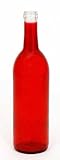
- Red wine bottles
- Cork Finish
- 12 Bottles
Most wines are intended to be consumed young and fresh. If you are choosing a bottle to keep, seek advice on its drinking window and storage rather than relying on age alone. Avoid calling a year “good” without considering the specific region and relevant conditions.
How do I read wine labels without overreading them?
Label rules depend on the country whose wine is being sold and the claim being made. In the United States, the Alcohol and Tobacco Tax and Trade Bureau (TTB) describes class or type as a required designation and sets rules for information such as brand name, grape variety, appellation, vintage, alcohol content and sulfite declaration. An appellation is not required on every U.S. wine label, though TTB requires it in several circumstances, including when a vintage date or varietal designation appears.
Rank #4

- Case of 12 Assorted Colors - Glass Bordeaux shaped rounded top wine bottles - 750 ml
- Includes 4 Red(Coated Glass), 4 White(Coated Glass), and 4 Cobalt Blue(Colored Glass)
- Great assortment for Bottle Trees
- Works with 8 and 9 sized corks - use 8 corks for a hand corker and 9 for a floor corker
- We warrant our products in the event that they arrive damaged or defective - Covered under our 30 day hassle free replacement program.
In the U.S. labeling context, TTB says: “An appellation of origin generally designates the geographic area in which the fruit or other agricultural product was grown.” For imported wine bearing a foreign appellation, the applicable country-of-origin rules also matter. A U.S. varietal designation is governed by U.S. rules; do not assume its thresholds apply in other countries. Consult the TTB’s wine-labeling guidance for the U.S. requirements.
What “estate bottled” means in the United States
“Estate bottled” is a defined U.S. production and origin claim, not a quality grade. TTB’s definition requires that the wine be made entirely from grapes grown on land owned or controlled by the winery within the named viticultural area; that the winery and vineyard be inside that area; and that specified production steps be completed continuously at the winery premises. The phrase describes how and where the wine was made, not whether its flavor will suit you.
Do these 3 things before closing this tab:
1Scan for outdated or missing drivers - takes under a minute2Repair Windows errors before they cause bigger problems3Fix the driver behind crashes, sound loss and screen glitchesBest Value

- Medium body with a smooth finish
- Bold and fruit forward with notes of black cherry and dark red fruit
- Crowd-pleasing Apothic wine with aromas and notes of mocha and vanilla
- Red blend wine from California
- Glass bottle that is 100% recyclable
What AOP and IGP mean in French and EU context
French consumer guidance distinguishes wines without a geographical indication from those with one. Wines with an indication géographique fall under the AOP or IGP categories and are subject to production specifications. These are French/EU regulatory terms, not a universal quality ladder that can be applied unchanged to every country. The French DGCCRF’s consumer guidance on wines explains that context.
If you are buying in another country, check that country’s current official rules before treating a label term as a legal guarantee.
Independent reader supportYour contribution helps us test, update, and keep practical guides available for everyone.How should I set a wine budget?
Set a budget before browsing, then compare bottles within it by style, producer, origin and intended use. A prestige producer may charge more, but price alone does not tell you whether a wine matches your taste. WSET’s general guidance also notes that a retailer’s own-label wine can offer value; that is a possibility, not a guarantee about any particular bottle.
For a casual meal or an experiment with an unfamiliar style, choose a price you are comfortable spending and prioritize the taste cues you already know. For a gift, ask about the recipient’s preferences if you can. For a bottle you plan to cellar, consider storage and drinking window rather than treating an expensive or older bottle as automatically suitable.
PC Slower Than It Used to Be?
A free scan shows the junk files, broken settings and background clutter dragging Windows down - then fixes them in one click.Free scan · Windows 10 & 11Crashes, No Sound, or Screen Glitches?
Random freezes, missing sound and display glitches usually trace back to one bad driver. Find and replace yours safely.Free scan · under a minuteHow can I make the next purchase easier?
Keep a simple record of bottles you try. Note the wine and producer, region, approximate price, and what you liked or disliked—for example, “too oaky,” “lighter than expected” or “good with dinner.” A paper or digital wine journal can make those notes convenient, but the useful part is recording your own reactions. Over time, your notes become a personal guide to styles and producers worth revisiting.
Quick Recap
Product prices and availability are accurate as of the date/time indicated and are subject to change. Any price and availability information displayed on Amazon at the time of purchase will apply.




