Do these 3 things before closing this tab:
1Scan for outdated or missing drivers - takes under a minute2Clear out junk files and repair common Windows errors3Fix the driver behind crashes, sound loss and screen glitchesCredit card debt can become more expensive and harder to manage when interest accumulates, minimum payments barely reduce the balance, or missed payments lead to fees and collection. The sooner you understand your card terms and contact the issuer about a payment you can afford, the more options you may have.
How credit card debt becomes expensive
Interest adds to the cost of carrying a balance
APR is the annualized rate used to express the cost of borrowing; interest is what you pay on an unpaid balance. Check your statement and cardholder agreement for the APR, fees, due date, and grace-period terms. The Federal Trade Commission’s guide to using credit cards explains that when a card offers a purchase grace period, paying the full purchase balance by the due date can generally avoid interest on those purchases. Issuers are not required to offer a grace period, so the account terms matter. If you pay less than the full balance, you generally pay interest on what remains.

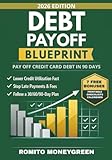

Minimum payments can leave debt lingering
The minimum is the amount required to keep the account current, not a promise of quick repayment. A minimum payment may cover interest and fees while reducing the principal—the amount borrowed—only slowly. If payments do not cover all finance charges and fees, the balance can grow. There is no reliable universal payoff timeline: the result depends on your balance, APR, payment formula, fees, and future charges.
What can happen when you miss payments
Fees and interest-rate changes
A missed minimum can trigger a late fee and, in some circumstances, a higher interest rate. That can make an already difficult balance more costly. Review your account terms and contact the issuer promptly if you expect to miss a payment; do not assume a hardship arrangement is automatic.
Crashes, No Sound, or Screen Glitches?
Random freezes, missing sound and display glitches usually trace back to one bad driver. Find and replace yours safely.Free scan · under a minuteWindows Errors? Fix Them Before They Spread
Repair common Windows errors and clear accumulated junk for a smoother, more stable PC - no reinstall needed.Free scan · no reinstall#1 Best Overall

- Comprehensive Debt Management Tool:The debt payoff planner log offers a detailed table design to help users manage debt information comprehensively. Each page includes creditor details, target payoff dates, credit types, starting balances, minimum payments, interest rates, and other key data, ensuring users have a clear overview of each debt. With systematic tracking, users can create effective repayment plans and work towards becoming debt-free.
- High-Quality Materials and Practical Design:Featuring 110 pages of 80gsm high-quality paper with double-sided printing and a sturdy copperplate cover, this debt payoff tracker is both durable and professional. The 8.5 x 11-inch large page size is perfect for desktop use and portable enough to carry around. The spiral-bound design allows the debt payoff planner spiral bound to lay flat at 180 degrees for easy writing, and it works seamlessly with gel pens, ink pens, or pencils without smudging.
- User-Friendly Table Design:The credit card debt payoff planner features a simple and intuitive table layout, making it easy to add entries and track repayment progress. Each page includes columns for dates, starting and ending balances, payment amounts, confirmation numbers, and notes, enabling users to efficiently monitor every payment. This straightforward design simplifies debt management, even for first-time users.
- Versatile Use Cases:Whether for personal debt management, family financial planning, or small business cash flow tracking, the debt snowball planner is a versatile tool. Finance planner is ideal for students, professionals, freelancers, and small business owners, helping them clearly record and track debt in various scenarios. By staying organized, users can better manage their finances and reduce financial stress.
- Improve Credit Scores and Reduce Stress:With systematic debt tracking and repayment planning, the fbill tracker notebook helps users reduce their debt burden and improve credit scores over time. Clear repayment progress and goal-setting features provide peace of mind, empowering users to tackle financial challenges with confidence and work towards financial freedom.
Credit history, charge-off, and collection
Payment history, unpaid debt, and the share of available credit you use are among the information that can affect credit scores. Scores vary by scoring model, credit-report data, product, and calculation date, so no single point impact can be predicted for a particular missed payment or balance. The Consumer Financial Protection Bureau’s explanation of credit scores describes the factors involved.
After months of nonpayment, a creditor may charge off a balance as a loss. A charge-off does not necessarily cancel the debt: the creditor may continue collecting or sell it to a debt buyer. Collection activity can bring additional stress and may have further credit consequences. The FTC’s guide to getting out of debt explains that a debt can remain owed even after charge-off.
Rank #2
Effects beyond taking out a loan
Credit information may be considered in decisions about credit eligibility and the terms offered. Credit scores or reports may also be used in tenant screening and insurance, depending on the decision and applicable rules. The outcome is not identical for everyone; it depends on the report, score model, and how a particular organization uses credit information.
What to do if you may not be able to pay
- Work out what is affordable. Add up income and necessary expenses, then identify a payment you can realistically make. Avoid promising an amount that would put essential bills at risk.
- Contact the card issuer promptly. The CFPB advises people who cannot pay to act right away and contact their credit card company. Explain why the minimum is unaffordable, how much you can pay, when regular payments might resume, and what temporary change you are requesting. Ask what hardship options are available and get the terms in writing. Options depend on the issuer and account. See the CFPB’s guidance for people who cannot pay their credit card bills.
- Keep a record. Save statements, notes from calls, written agreements, payment amounts, and dates. A budget or debt-payoff planner can help organize income, expenses, and records, but it does not lower interest or replace the issuer’s terms.
- Consider reputable credit counseling. Ask what services are included, what they cost, and what arrangement you would be agreeing to before signing up. A counselor may help you review your budget and repayment options.
Debt relief and consolidation: weigh the full tradeoffs
Be cautious with debt settlement promises
Debt settlement companies may promise to negotiate a reduced amount, but the process can carry substantial risks. While you stop paying creditors and build funds for a settlement, balances may grow, credit history may be harmed, and creditors may continue collection or sue. Fees can also reduce what is available to settle the debt. The CFPB identifies warning signs such as guaranteed results, upfront fees, instructions to stop communicating with creditors, and promises to erase debt. Read its overview of debt relief programs before considering one.
Free tools Windows power users keep installed
One-click scans. No signup required.
Compare consolidation options by total cost and risk
Consolidation can simplify payments or lower the interest rate, but a lower monthly payment alone does not show that the option is cheaper. Compare the total interest and fees over the full repayment period, the payment and payoff schedule, promotional-rate duration, eligibility, and what happens if you make a late payment.
| Option | Potential benefit | Costs and risks to check |
|---|---|---|
| Balance transfer | A temporary promotional rate may reduce interest on transferred balances. | There may be a percentage-based or fixed transfer fee, and the promotional rate expires. New purchases can accrue interest while the transferred balance remains unpaid; late payment may affect rates. |
| Unsecured consolidation loan | One payment may simplify bills, and the loan may offer a lower rate. | Check the APR, fees, repayment length, and whether an introductory rate changes. A longer term can increase total cost even if the monthly payment is lower. |
| Home-equity loan | It may offer a different rate or repayment structure than card debt. | Your home is collateral. If you cannot repay, you risk losing it. |
The CFPB’s guide to consolidating credit card debt discusses balance transfers and other borrowing choices. Read the agreement for each option before moving a balance or securing debt against your home.
Independent reader supportYour contribution helps us test, update, and keep practical guides available for everyone.If a debt collector contacts you
Do not ignore a debt that may be valid, but verify the claim before paying. Check the validation information for the creditor, amount claimed, and your rights. If you dispute the debt, FTC guidance says to send a written dispute within 30 days after receiving the validation information. The FTC’s February 2026 guidance on debt collection and scams explains how to review validation information and recognize possible abuse or fraud. Report suspected abusive or fraudulent collection to the relevant authorities.
Quick Recap
Best Value

- Organize Debts with a Debt Payoff Planner - Track all your debts efficiently using this debt payoff planner, including starting balances, minimum payments, due dates, and interest rates.
- Monitor Payments with a Debt Payoff Tracker - Log each payment, track end balances, and store confirmation numbers in this debt payoff tracker to stay on top of your finances.
- Plan Your Strategy with a Debt Snowball Planner - Prioritize debts, set goals, and create repayment strategies with this debt snowball planner for faster debt elimination.
- Track Bills with a Bill Tracker Notebook - Keep track of recurring bills, payment dates, and amounts with this bill tracker notebook, ensuring nothing is missed.
- Stay Motivated with a Debt Management Planner - Celebrate milestones and monitor progress using this debt management planner, perfect for anyone seeking control over their finances and achieving debt freedom.
Product prices and availability are accurate as of the date/time indicated and are subject to change. Any price and availability information displayed on Amazon at the time of purchase will apply.




