PC Slower Than It Used to Be?
A free scan shows the junk files, broken settings and background clutter dragging Windows down - then fixes them in one click.Free scan · Windows 10 & 11Outdated Drivers Are Slowing You Down
One free scan finds every outdated or missing driver and matches the right update for your exact hardware.Free scan · exact hardware matchSchools teach algebra for years and compound interest for a week — then society hands eighteen-year-olds credit card applications and calls it preparation. Financial literacy is the life-skill subject families largely have to teach themselves, and the timing matters more than most parents realize: money habits research suggests core attitudes form startlingly early, well before the teen years most programs target.
The good news is that the last decade produced a generation of genuinely capable tools — apps that give kids real money, real controls and real consequences at stakes small enough to survive. The best of them teach the way swimming lessons do: in the water, with a lifeguard. Here’s the field in 2026, what each app actually teaches, how a real month with it looks, and the sequence that builds a financially literate kid from piggy bank to first investment.
The Field at a Glance
| App | Ages | Real card? | Signature strength |
|---|---|---|---|
| Greenlight | 8-18 | Yes | Fullest controls + investing tier |
| GoHenry | 6-13 | Yes | Built-in money lessons |
| BusyKid | 7-15 | Yes | Chores + 4-way split + stocks |
| Acorns Early | 0-18 | No (custodial invest) | Compounding head start |
| Rooster Money | 4-8 | Optional later | Gentle tracker on-ramp |
| Khan Academy (Finance) | 13+ | No | Free theory layer |
1. Greenlight — The Category Leader
Greenlight built the template everyone else iterates on: a debit card for the child, a control panel for the parent. Kids spend real money in real stores; parents set per-store and per-category limits, automate allowance, attach chores, and see every transaction the moment it happens.
What it actually teaches: the core loop of earning, allocating and spending inside guardrails. The savings goals feature — a child watching a “new bike” bar fill weekly — is delayed gratification made visible, which no lecture achieves. Higher tiers add parent-paid interest on savings (compounding, felt personally) and a kid-facing investing feature where fractional-share purchases require parent approval — a supervised first contact with markets.
Recommended Free Tools
#1 Best Overall
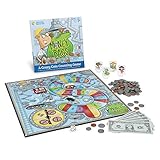
- BUILDS & MATH SKILLS: Kids practice counting, sorting, and comparing as they move around the board and manage money during game play
- SUPPORTS ENGAGING GAME PLAY: Board‑game format turns learning into an interactive experience that keeps kids involved from start to finish
- DESIGNED FOR KIDS: Created for kids who are beginning to explore financial literacy and basic math concepts through play
- STRENGTHENS NUMBER SENSE & DECISION MAKING: Collecting and exchanging helps kids connect values with outcomes as they play and problem‑solve
- MONEY BOARD GAME FOR HOME OR CLASSROOM: A complete math game for use at home, in classrooms, homeschool learning spaces, or math centers
A real month with it: allowance automation on day one (reliability is the curriculum — payday that actually arrives teaches more than its amount); one savings goal chosen by the child with a picture attached; and the weekly two-minute transaction review done with them, not at them: “what was this? worth it?” asked with curiosity, not audit energy. Let one regrettable purchase happen early — the felt lesson at nine is the cheapest tuition ever paid.
The honest catches: a monthly family fee (the app teaching your child about money charges you money — worth saying out loud), and controls comprehensive enough that some parents never loosen them. The loosening is the curriculum; a sixteen-year-old with training wheels still on has been protected out of the lesson.
2. GoHenry — The Teaching-First Card
GoHenry runs the same card-plus-app chassis with a stronger classroom flavor: its built-in “Money Missions” are short interactive lessons — saving, budgeting, credit basics, scam awareness — tied to badges and unlocked progressively, so financial concepts arrive alongside the child’s actual transactions.
What it actually teaches: vocabulary and concepts on schedule, not just habits by osmosis. For parents who don’t feel confident narrating money themselves, the missions carry the explanatory load; the card supplies the practice field. Custom store controls and instant transfer round out the standard kit.
A real month with it: one mission per week as the family default, with the badge shown at dinner — externalizing the lesson to the app keeps the parent as celebrant rather than lecturer. The scam-awareness missions deserve a co-watch; the conversation they open (“has anyone ever asked you for a code?”) is the internet-safety talk with a natural doorway.
Rank #2

- WHAT'S INCLUDED: This engaging math game features 50 item cards with play paper money and coins. Players use mental math to subtract the price of an item from the amount paid to make the correct change and collect items for bonus points
- LEARN ABOUT MONEY: Our Making Change game introduces children to practical money management and real-world math skills. Kids develop confidence in calculating change & understanding currency values while having fun competing with friends and family
- DEVELOPS ESSENTIAL SKILLS: This game builds mental math abilities, practical money skills, subtraction fluency, and strategic thinking. Perfect for individual practice or group play that encourages conversation and healthy competition among players
- DESIGNED FOR: Ages 5 and up. Features colorful item cards across 10 different categories. Ideal for home learning, classroom math instruction, or family game nights that make money skills engaging and educational
- SAFE & SUSTAINABLE: Sustainably sourced and made with FSC-certified paper, printed using vegetable-based inks. eeBoo is a Woman Owned, Mother Run business dedicated to sustainability, safety, and the creation of quality products
The honest catches: per-child monthly pricing (family plans exist — do the math against Greenlight for your household size), and mission content pitched younger than teens — its sweet spot is roughly six to thirteen.
3. BusyKid — Chores-First and Investing-Curious
BusyKid starts from the oldest financial curriculum there is: work, then wages. Kids check off chores, allowance lands accordingly, and — the signature move — every payday splits automatically across spend, save, share and invest buckets, with real fractional-share investing (parent-approved) from surprisingly young ages.
What it actually teaches: allocation as a default habit. Adults pay financial advisors to enforce exactly this split; a nine-year-old who has always seen payday divide four ways internalizes it as simply how money works. The “share” bucket quietly normalizes giving; the invest bucket makes ownership ordinary — a child who owns a fraction of a company they recognize follows it like a pet.
The Tool Desk
Outbyte PC Repair FREEClear out junk files and repair common Windows errorsFree Scan →Outbyte Driver Updater FREEScan for outdated or missing drivers - takes under a minuteDriver Scan →A real month with it: keep the chore list short and non-negotiable-free (paying for basic humanity backfires — pay for the extras); run payday on a fixed weekday; and let the child pick their first fractional share from companies they actually know. The Friday stock-price glance becomes the family’s gentlest economics lesson.
The honest catches: a lighter app experience than the big two — fewer controls, plainer interface — and chore-tracking that lives or dies on parent consistency. The system works when payday actually happens on schedule.
Rank #3

- 𝙁𝙐𝙉, 𝙍𝙀𝘼𝙇-𝙒𝙊𝙍𝙇𝘿 𝙈𝙊𝙉𝙀𝙔 𝙂𝘼𝙈𝙀: A fast-paced supermarket adventure that turns real-life math into exciting play. Kids shop, spend, and budget their way through the store while building essential money skills—no worksheets required.
- 𝙎𝙆𝙄𝙇𝙇𝙎 𝘾𝙊𝙑𝙀𝙍𝙀𝘿: Build money skills by counting dollars and coins. Strengthen understanding of coin values and combinations. Practice budgeting and making smart spending choices. Boost real-world math confidence through hands-on play. Encourage problem-solving and strategic thinking.
- 𝙁𝙊𝙍 𝘾𝙃𝙄𝙇𝘿𝙍𝙀𝙉 𝙊𝙁 𝘼𝙇𝙇 𝘼𝘽𝙄𝙇𝙄𝙏𝙄𝙀𝙎: Designed to support every learner, including children with autism, ADHD, and dyscalculia. Flexible gameplay, clear visuals, and tactile interaction help kids learn at their own pace and feel confident.
- 𝙈𝙐𝙇𝙏𝙄𝙎𝙀𝙉𝙎𝙊𝙍𝙔 & 𝙎𝘾𝙍𝙀𝙀𝙉-𝙁𝙍𝙀𝙀 𝙁𝙐𝙉: With squishy pawns, play money, shopping lists, and hands-on movement, kids learn through seeing, touching, and doing—keeping them engaged without screens.
- 𝙋𝙀𝙍𝙁𝙀𝘾𝙏 𝙁𝙊𝙍 𝙎𝘾𝙃𝙊𝙊𝙇 𝙊𝙍 𝙃𝙊𝙈𝙀: Designed for maximum flexibility, Supermarket Squishy Spree works beautifully in classrooms, learning centers, small groups, intervention, tutoring, or family game nights. It’s no-prep, quick to learn, and easy to rotate into math centers or at-home play—making real-world money practice simple, engaging, and fun for kids and adults alike.
4. Acorns Early — The Compounding Head Start
Acorns Early is less an app for kids than a gift to their future: automated investment accounts opened in a child’s name, funded by round-ups and recurring contributions, invested in diversified portfolios and left to compound for the longest runway a human ever gets — childhood.
What it actually teaches: initially nothing — the child may not even know it exists — and that’s fine; its job is arithmetic, not pedagogy. The teaching moment arrives around ten or twelve, when you show them the chart: contributions versus growth, the visible gap that is compound interest. Pair the reveal with the family’s allowance app and the abstract suddenly has a face.
A real setup: a modest recurring monthly contribution on autopilot plus birthday-money top-ups; the annual “chart reveal” as a birthday ritual from age ten. One sentence at the reveal does the heavy lifting: “the orange part is money nobody deposited — that’s what waiting does.”
The honest catches: subscription pricing that deserves comparison against a self-managed custodial account at a brokerage (the DIY route is cheaper for confident parents), and the usual custodial-account fine print — the money becomes legally the child’s at majority. Plan accordingly.
5. Rooster Money — The Gentle On-Ramp
Rooster Money begins where children actually begin: a virtual allowance tracker — no card required — with star charts for the youngest, pocket-money ledgers, savings goals and a “give” pot. It’s the piggy bank, digitized and made visible.
Rank #4

- Fun and Educational Money Game – This pretend play toys helps children aged 5 and above learn money values, basic math skills, and counting through an engaging and interactive board game
- Complete Game Set – Includes 1 money game board, 1 dice, 4 colorful pawns, 105 play coins, 60 play dollar bills, 1 storage bag, and 1 teaching guide for easy play and storage
- Easy to Play – Each player starts with $5 in play money, and by rolling the dice and moving across the board, they earn, spend, and exchange money. The first player to accumulate a total of $20 wins the game
- Improves Math Skills – The game encourages children to practice addition, subtraction, and making change, promoting hands-on learning and critical thinking
- Perfect for Family Fun – With 2-4 players, this math game is perfect for family time, enhancing social skills and cooperation while learning about money
What it actually teaches: the primitive loop — money arrives, money is chosen among jars, goals fill up — for ages where a real card would be premature. Because parents record spending manually, every transaction is a conversation, and at five or six the conversation is the entire curriculum.
A real month with it: star chart for the fours and fives (stars convert to coins weekly); three jars from six up — spend, save, give — with the child moving the money themselves at the Saturday “bank meeting.” Five minutes, juice included; ceremony makes money visible.
The honest catches: manual entry demands parental follow-through, and kids graduate out of it — by eight or nine most families move to a card app. That’s not failure; that’s the on-ramp working.
Independent reader supportYour contribution helps us test, update, and keep practical guides available for everyone.6. Khan Academy (Personal Finance) — The Free Theory Layer
Khan Academy’s personal-finance units cover saving, credit, taxes, insurance and college costs in its trademark short-video-plus-clarity style, free forever. It teaches none of the habits the apps above build — and all of the understanding they assume.
Where it fits: the teen years, when “why is the credit card the expensive money?” deserves a real answer, and as the pre-driver’s-ed of leaving home — a summer of units before college prevents a decade of expensive lessons. Assign it alongside the first part-time job for maximum relevance: nothing motivates the taxes unit like a first paystub’s mysterious deductions.
Best Value
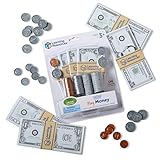
- GAME FOR KIDS: Use the realistic play money to teach lessons in making change, identifying value, and adding and subtracting.
- REALISTIC MONEY: Made from heavy-duty paper and printed on both sides, each pretend bill is ready for countless pretend cash transaction
- PLAY MONEY FOR KIDS: The play money is a 3/4 scale of actual American Dollars. Includes 60 pretend bills include 20 $1s, 20 $5s, 10 $10s, and 10 $20s.
- GREAT VALUE: The set also includes a full assortment of 90 plastic coins, including 30 pennies, 20 nickels, 20 dimes, and 20 quarters. Pretend bills measure 6.25" x 2.625", pretend coins range from .80" (penny) - .995" (quarter
- GIVE THE GIFT OF LEARNING: Whether you’re shopping for holidays, birthdays, or just because, toys from Learning Resources help you discover new learning fun every time you give a gift! Ideal gift for Halloween, Christmas, Stocking Stuffers, Easter Baskets Stuffers or even for Homeschool.
The Sequence That Builds a Financially Literate Kid
- Ages 4-8: Rooster-style tracking. Money as counting practice, jars as first allocation, every transaction narrated.
- Ages 8-13: a managed card (Greenlight or GoHenry). Real spending, small stakes, visible mistakes — let a bad purchase happen and be felt.
- Ages 10+: add the invest bucket (BusyKid or the card apps’ investing tiers) and reveal the Acorns chart. Ownership becomes ordinary.
- Teens: theory plus autonomy. Khan units, loosened controls, a real budget with real consequences — the graduation is the goal.
Frequently Asked Questions
Card app or plain old cash?
Both, in sequence — cash for the earliest years (physical counting is the first math), the card from about eight, when their world (online orders, school payments) is already cashless. The apps’ real advantage isn’t modernity; it’s visibility — every transaction logged, every goal graphed, every conversation prompted.
How much allowance is right?
Whatever your family can automate reliably — consistency teaches more than quantity. The widely used starting frame (a dollar-ish per year of age, weekly) matters less than the split rule that travels with it: some spend, some save, some give, discussed once and enforced by the app.
Should allowance be tied to chores?
The honest answer: families succeed with both models. The workable middle that BusyKid encodes — base allowance unconditional, bonus jobs paid — teaches both membership (“we all contribute”) and labor (“extra work earns extra”). Whichever model, the app’s job is making it consistent.
When should a kid first invest?
Ownership can start whenever curiosity does — ten is common — provided it’s framed as slow and boring on purpose: one recognizable company, tiny stakes, the Friday glance, no day-trading energy. The Acorns chart reveal is the compounding lesson; the fractional share is the ownership lesson. Both land before high school easily.
Do these 3 things before closing this tab:
1Repair Windows errors before they cause bigger problems2Scan for outdated or missing drivers - takes under a minute3Clear out junk files and repair common Windows errorsAre the fees worth it versus a DIY setup?
The apps sell convenience and visibility, not magic — a fee-free bank account plus a spreadsheet teaches the same things to a family disciplined enough to run it. Most aren’t, most months; the fee buys the automation that keeps the curriculum running. Say exactly that to your teen — the meta-lesson about paying for convenience is itself financial literacy.
The Honest Footnote
Every card app charges a fee, and a fee-charging app teaching your child about money is itself a lesson worth narrating at the kitchen table. The apps genuinely work — but the free curriculum still does the heaviest lifting: an allowance that arrives reliably, a savings goal with a picture taped to the fridge, and a parent thinking out loud at the checkout. The software scales those conversations; it doesn’t replace them. Start the conversations, add the tools, loosen the controls on schedule — and the eighteen-year-old with the credit card application will read the fine print.
Quick Recap
Product prices and availability are accurate as of the date/time indicated and are subject to change. Any price and availability information displayed on Amazon at the time of purchase will apply.




