What’s actually slowing this PC down?
Pick the symptom - the matching free tool is one click away.
Build a liquid emergency cushion first, then direct extra money toward high-interest debt. Keep required payments current, and avoid either extreme: paying debt so aggressively that a routine bill forces new borrowing, or holding so much cash that costly balances keep growing. The right split depends on your income stability, upcoming expenses, debt rates and access to savings.
Why a cash reserve can come before extra debt payments
Savings do more than earn interest: accessible cash can keep an unexpected bill from becoming more debt. The Consumer Financial Protection Bureau warns that using a credit card or loan for an emergency can make the expense significantly larger through interest and fees. See the CFPB’s guide to building an emergency fund.

That does not mean you should stop making required debt payments. Pay at least each minimum on time while establishing a reserve; missed payments can bring fees and other consequences. The choice here is how to divide money left after those obligations.
How much should you save before paying extra on debt?
There is no single target that suits every household. The CFPB suggests using your circumstances and past unexpected expenses to set a goal. Start with plausible urgent costs and essential monthly bills, then consider how quickly you could replace lost income and what expenses insurance would leave you responsible for.
#1 Best Overall

- Organize Debts with a Debt Payoff Planner - Track all your debts efficiently using this debt payoff planner, including starting balances, minimum payments, due dates, and interest rates.
- Monitor Payments with a Debt Payoff Tracker - Log each payment, track end balances, and store confirmation numbers in this debt payoff tracker to stay on top of your finances.
- Plan Your Strategy with a Debt Snowball Planner - Prioritize debts, set goals, and create repayment strategies with this debt snowball planner for faster debt elimination.
- Track Bills with a Bill Tracker Notebook - Keep track of recurring bills, payment dates, and amounts with this bill tracker notebook, ensuring nothing is missed.
- Stay Motivated with a Debt Management Planner - Celebrate milestones and monitor progress using this debt management planner, perfect for anyone seeking control over their finances and achieving debt freedom.
The FDIC says financial experts generally recommend keeping at least six months of living expenses in a federally insured savings product. Treat that as a broad benchmark, not a required starting balance for everyone. A household with stable income and few foreseeable shocks may make a different choice from one with variable earnings, dependents or large insurance deductibles. The FDIC’s saving guidance also illustrates that setting aside $20 every two weeks adds up to $520, plus interest, over a year; that is an arithmetic example, not a promise about returns.
Compare the cost of debt with the value of savings
Once you have a starter reserve, compare the debt’s interest rate with the after-tax return on safe, accessible savings. If the debt rate is much higher, extra repayment is generally more valuable financially, provided you retain enough cash to avoid turning a surprise expense into new borrowing.
Rank #2

- Comprehensive Debt Management Tool:The debt payoff planner log offers a detailed table design to help users manage debt information comprehensively. Each page includes creditor details, target payoff dates, credit types, starting balances, minimum payments, interest rates, and other key data, ensuring users have a clear overview of each debt. With systematic tracking, users can create effective repayment plans and work towards becoming debt-free.
- High-Quality Materials and Practical Design:Featuring 110 pages of 80gsm high-quality paper with double-sided printing and a sturdy copperplate cover, this debt payoff tracker is both durable and professional. The 8.5 x 11-inch large page size is perfect for desktop use and portable enough to carry around. The spiral-bound design allows the debt payoff planner spiral bound to lay flat at 180 degrees for easy writing, and it works seamlessly with gel pens, ink pens, or pencils without smudging.
- User-Friendly Table Design:The credit card debt payoff planner features a simple and intuitive table layout, making it easy to add entries and track repayment progress. Each page includes columns for dates, starting and ending balances, payment amounts, confirmation numbers, and notes, enabling users to efficiently monitor every payment. This straightforward design simplifies debt management, even for first-time users.
- Versatile Use Cases:Whether for personal debt management, family financial planning, or small business cash flow tracking, the debt snowball planner is a versatile tool. Finance planner is ideal for students, professionals, freelancers, and small business owners, helping them clearly record and track debt in various scenarios. By staying organized, users can better manage their finances and reduce financial stress.
- Improve Credit Scores and Reduce Stress:With systematic debt tracking and repayment planning, the fbill tracker notebook helps users reduce their debt burden and improve credit scores over time. Clear repayment progress and goal-setting features provide peace of mind, empowering users to tackle financial challenges with confidence and work towards financial freedom.
Make the comparison using the account’s actual terms, not a headline rate alone. Fees can reduce the return; withdrawal limits or delays can make savings less useful in an emergency. Also check debt terms such as promotional-rate expirations and penalties before choosing where extra payments go. Current account yields and tax effects vary, so there is no universal rate comparison that determines the right split for every person.
Choose a payoff order for any extra debt payments
Highest interest rate first
After making minimum payments on all debts, send extra repayment to the balance with the highest interest rate. This approach generally minimizes interest paid across multiple balances. The FDIC states: “If you have multiple loans or credit cards, pay off the ones with the highest interest rates first.”
Rank #3

- Organize Debts with a Debt Payoff Planner - Track all your debts efficiently using this debt payoff planner, including starting balances, minimum payments, due dates, and interest rates.
- Monitor Payments with a Debt Payoff Tracker - Log each payment, track end balances, and store confirmation numbers in this debt payoff tracker to stay on top of your finances.
- Plan Your Strategy with a Debt Snowball Planner - Prioritize debts, set goals, and create repayment strategies with this debt snowball planner for faster debt elimination.
- Track Bills with a Bill Tracker Notebook - Keep track of recurring bills, payment dates, and amounts with this bill tracker notebook, ensuring nothing is missed.
- Stay Motivated with a Debt Management Planner - Celebrate milestones and monitor progress using this debt management planner, perfect for anyone seeking control over their finances and achieving debt freedom.
Smallest balance first
If visible progress is what will help you stick with a plan, paying off the smallest balance first can provide an earlier win. It may cost more in interest than highest-rate-first, so weigh that motivational benefit against the extra cost. Once a balance is cleared, direct the freed-up payment to the next debt rather than letting it disappear into spending.
A practical way to divide your money
- List the debts. For each one, write down the balance, interest rate, minimum payment, any promotional-rate end date and any relevant penalty terms.
- Protect required payments. Keep all minimums current before allocating money to additional savings or principal repayment.
- Set a starter reserve. Use likely urgent bills and essential costs to choose an amount that gives you some protection against borrowing at high cost.
- Compare marginal returns and risks. Consider the debt rate against the net return on safe liquid savings, along with fees, access restrictions and the consequences of having too little cash.
- Direct the remainder deliberately. If the reserve is adequate and expensive debt remains, prioritize extra payments—usually to the highest-rate balance. Choose smallest-balance-first if motivation is the more important obstacle.
- Build toward a fitting reserve. Increase savings over time in light of income volatility, dependents, deductibles and other foreseeable expenses. If automating a contribution helps, choose an amount you can sustain.
When to change the balance
Revisit your plan when income, essential expenses, debt rates or savings terms change. A new job, a household change, an upcoming large bill or a rate reset can shift the value of liquidity versus faster repayment. If you use emergency savings, make replenishing it part of the next budget rather than treating the withdrawal as permanent.
Quick Recap
Rank #4
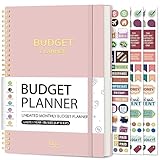
- Effective Budget Planning - Take control of your finances with the budget account book. This comprehensive planner allows you to plan and track your income, expenses, savings, and financial goals in one convenient place. With its intuitive layout and easy-to-use sections, you can stay organized and make informed decisions to achieve financial success.
- User-Friendly Layout - The budget planner features a user-friendly layout designed for easy navigation and organization. Each month, you'll find dedicated budget pages where you can set financial goals, track your income, and plan your expenses. Additional sections include debt trackers, savings goals, bill payment trackers, and more, making it simple to stay on top of your finances.
- Undated Monthly Calendar & Bonus Stickers - Featuring undated calendar each month, you'll have ample space to mark paydays, bills due, appointments, and important dates. Say goodbye to difficult writing spaces. Plus, we've included 3 cute sticker sheets that allow you to personalize your financial organizer and make budgeting more fun. Dates are not pre-printed and are completed by the user.
- Reliable and Convenient Design - Our monthly budget planner is designed for your convenience and built to last. The elastic band keeps everything securely in place, and the dual-sided pocket provides extra storage. Experience a budget planner that combines practicality and durability.
- Master Budgeting with Ease - Our financial planner includes a complete guidebook that provides valuable insights and instructions for optimal usage. From setting financial goals to tracking expenses, this guidebook offers step-by-step guidance and practical tips. Whether you're new to budgeting or an experienced user, this resource will help you make the most of your budget planner, empowering you to achieve financial success.
Product prices and availability are accurate as of the date/time indicated and are subject to change. Any price and availability information displayed on Amazon at the time of purchase will apply.




