Do these 3 things before closing this tab:
1Clear out junk files and repair common Windows errors2Fix the driver behind crashes, sound loss and screen glitches3Repair Windows errors before they cause bigger problemsPaul Brainerd helped bring page layout to microcomputers with Aldus Corporation’s PageMaker. After Aldus and Adobe announced a merger in 1994, he turned to a different kind of institution-building: funding conservation, pairing donors with nonprofit work, and helping create a nature-based learning center for children.
How Paul Brainerd built Aldus and PageMaker
Brainerd founded Aldus Corporation in 1984. Its PageMaker software helped make page layout and design possible on microcomputers, changing how people could produce documents and publications. HistoryLink describes PageMaker as the first desktop publishing program; that is a historical characterization, rather than a claim that every technical definition of desktop publishing has been independently settled. HistoryLink’s biography of Brainerd and Social Venture Partners International’s account of SVP’s origins describe the product’s place in his career.


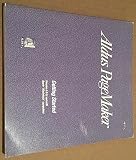

Brainerd moved away from Aldus’s day-to-day management into strategy in the early 1990s, then returned as the company faced losses. In March 1994, he announced that Aldus would merge with Adobe. The transaction was not simply a cash sale: HistoryLink reports that Brainerd exchanged his job and 3 million Aldus shares for an Adobe board seat and Adobe stock valued at between $88 million and $112 million. That is HistoryLink’s historical estimate of the stock’s value, not a stated cash payout.
What Brainerd did after Aldus
Brainerd’s next chapter was active philanthropy, not just retirement. After the merger, he toured the Northwest and spoke with environmental leaders about where he could contribute. He went on to establish the Brainerd Foundation, which supported Pacific Northwest conservation for 25 years, and to help build organizations with different approaches to environmental and community work.
The Brainerd Foundation
The foundation organized and funded environmental groups. It was distinct from IslandWood, the learning center Brainerd later co-founded with his wife, Debbi. HistoryLink reports that Brainerd closed the foundation in 2020 while living with Parkinson’s disease; IslandWood’s memorial describes the foundation’s 25 years of regional conservation support.
Social Venture Partners
In 1997, Brainerd and Seattle business leaders founded Social Venture Partners (SVP), an approach to giving that asked partners to contribute more than money. The idea was to work alongside nonprofits and bring professional skills to their work. Brainerd described it as “a more engaged giving style,” saying, “If it’s done right, both sides end up with more in the end,” in a statement reproduced by SVP International.
HistoryLink describes the early Seattle structure as involving around 100 participants, each contributing $5,000 and voting on programs. Those figures describe that early model; they are not a universal or current membership requirement for SVP chapters.
Conservation Strategies and The Headwaters
Brainerd’s environmental work also included Conservation Strategies, an effort IslandWood’s memorial says aimed to build political capacity in the conservation community. In New Zealand, he was involved with The Headwaters Eco Lodge, a sustainability-oriented community and tourism project. IslandWood calls it the world’s first net-positive-energy accommodation; that superlative is the organization’s description.
Rank #3
Why the Brainerds created IslandWood
Paul and Debbi Brainerd wanted children to have meaningful, nature-based learning experiences, particularly children with less access to them. Their vision for transforming 255 acres of forested land on Bainbridge Island dates to 1999. IslandWood says it was founded in 2000, and its first pilot programs began in 2002. These are separate milestones: the original vision, the organization’s founding, and the start of programs.
HistoryLink reports that the project cost $52 million and that the Brainerds supplied half of that amount. IslandWood’s timeline confirms the site and project milestones, but does not independently state the cost figure. IslandWood remains the learning organization that grew from the Brainerds’ vision; it was not the same entity as the Brainerd Foundation.
Independent reader supportYour contribution helps us test, update, and keep practical guides available for everyone.How the two chapters of his career connect
Brainerd’s publishing and philanthropic work addressed different problems through different means. Aldus built commercial software for people producing publications; his later work helped fund conservation organizations, engage donors in nonprofit work, and make nature learning accessible to children. His later projects drew on financial independence and experience building technology companies, but they were not simply an extension of PageMaker. They took institutional forms suited to distinct goals.
Debbi Brainerd, quoted in IslandWood’s memorial, said, “Paul believed we were here to give back,” and that he “built things that could always give something back to the community where we lived.” The phrase captures a through-line in his career without making the projects interchangeable: each organization had its own purpose and beneficiaries.
Quick wins for a faster PC:
Scan for outdated or missing drivers - takes under a minuteDriver Scan →Repair Windows errors before they cause bigger problemsFix Now →Best Value
Paul Brainerd’s death and legacy
Paul Brainerd died on February 15, 2026, at age 78, according to HistoryLink’s biography. IslandWood published a memorial on February 24, 2026. His legacy spans a consequential publishing product and a range of civic and environmental institutions, rather than one continuous philanthropic program. The available organizational and historical accounts document their creation and purpose; they do not, by themselves, establish a measured total impact on conservation or children’s learning.
Quick Recap
Product prices and availability are accurate as of the date/time indicated and are subject to change. Any price and availability information displayed on Amazon at the time of purchase will apply.




