Free tools Windows power users keep installed
One-click scans. No signup required.
On January 24, 2023, the New York Stock Exchange failed to run opening auctions for 2,824 securities. A system conflict caused some stocks to enter regular trading without the auction that normally sets their opening price, contributing to volatile early trades, trading pauses and thousands of canceled transactions. The SEC announced its settlement with NYSE on March 6, 2026.
What happened in the NYSE glitch?
At the market open on January 24, 2023, NYSE did not conduct opening auctions for 2,824 securities, according to the SEC and its settled order. An opening auction matches eligible buy and sell orders and establishes an opening price. In this incident, affected securities instead moved into continuous trading without that auction-based price-setting process.


What caused the failure?
The SEC attributed the disruption to NYSE’s primary and disaster-recovery trading systems running simultaneously. State data then led the primary system to treat the auctions as if they had already occurred. As a result, the securities proceeded into continuous trading without opening auctions.
Why did missing auctions affect trading?
Without an auction price, early trades were drawn from the remaining order book. The SEC said prices from those trades became reference prices for the securities’ initial Limit Up-Limit Down (LULD) bands. LULD bands are designed to limit trading outside specified price ranges; if quotes remain at a band long enough, trading in the security is paused.
#1 Best Overall
During the incident, 84 securities entered LULD pauses, according to the SEC’s 2026 account. Separately, 81 securities had price declines of 10% or more that triggered short-sale restrictions. These are different measures of the disruption, not a count of all securities that missed auctions.
Which stocks were affected?
The incident involved 2,824 securities, rather than a handful of high-profile stocks. Reuters named ExxonMobil, McDonald’s, 3M, Verizon, Walmart and Wells Fargo among the affected companies; these are examples, not a complete list. See Reuters’ report for its coverage of the SEC settlement.
Rank #2

- As a day trader, you can live and work anywhere in the world. You can decide when to work and when not to work.
- You only answer to yourself. That is the life of the successful day trader. Many people aspire to it, but very few succeed. Day trading is not gambling or an online poker game.
- To be successful at day trading you need the right tools and you need to be motivated, to work hard, and to persevere.
Why were trades canceled, and what losses were reported?
More than 4,000 trades were ultimately undone, or “busted,” according to the SEC’s 2026 order. Undoing trades can address transactions affected by abnormal prices or disrupted market conditions, but it does not mean every investor’s losses were reimbursed.
NYSE paid more than $5.77 million to member organizations that submitted claims for trading losses related to the event. That figure describes payments to those claimants; it is not a complete estimate of losses suffered by all investors or a guarantee that every affected trader received compensation.
Do these 3 things before closing this tab:
1Fix the driver behind crashes, sound loss and screen glitches2Repair Windows errors before they cause bigger problems3Scan for outdated or missing drivers - takes under a minuteRank #3

- McGraw-Hill Books
- Great one for reading
- Easy to read text
What did the SEC find about NYSE’s oversight?
On March 6, 2026, the SEC announced settled charges against NYSE. It found violations of Regulation SCI requirements and Exchange Act Section 19(g)(1), which includes an exchange’s obligation to comply with its own rules. The SEC identified a monitoring-control gap: “NYSE did not have written policies and procedures to monitor systems that support its opening auctions to determine if opening auctions had occurred.”
NYSE agreed to a cease-and-desist order and a $9 million civil penalty without admitting or denying the findings. Reuters reported that NYSE parent Intercontinental Exchange said it had enhanced procedures and systems. ICE also said, “NYSE opening and closing auctions continue to be the most reliable liquidity event for NYSE-listed symbols.” That is the company’s characterization, not the SEC’s finding.
Independent reader supportYour contribution helps us test, update, and keep practical guides available for everyone.How to distinguish this incident from other NYSE disruptions
This story concerns the January 24, 2023 failure to conduct opening auctions. It is separate from the June 3, 2024 NYSE incident involving incorrect Limit Up-Limit Down pricing data and temporary trading halts. The events occurred on different dates and involved different problems; the 2024 episode is not the cause of the auction failure described here.
Quick Recap
Best Value
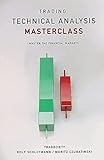
- Language: english
- Book - trading: technical analysis masterclass: master the financial markets
- It is made up of premium quality material.
Product prices and availability are accurate as of the date/time indicated and are subject to change. Any price and availability information displayed on Amazon at the time of purchase will apply.
The Tool Desk
Outbyte PC Repair FREERepair Windows errors before they cause bigger problemsFix Now →Outbyte Driver Updater FREEFix the driver behind crashes, sound loss and screen glitchesFind Drivers →



