No company is publicly identified as being on NXP Semiconductors’ current acquisition shopping list. The clearest potential-target idea is a category, not a name: analyst Linley Gwennap Demler has suggested that automotive AI-chip and IP startups could be candidates. That is an analyst’s view, not a confirmed NXP plan or evidence of active negotiations.
What NXP’s recent acquisitions say about its priorities
NXP’s 2025 acquisitions added capabilities across vehicle software, in-car connectivity and edge AI. The deals help show what could fit NXP’s portfolio, but they do not establish that the company has chosen another target.


| Company | Closing date and consideration | Capability NXP added |
|---|---|---|
| TTTech Auto | June 17, 2025; $766 million cash, or $675 million net of acquired cash | Safety-critical systems and software-defined vehicle middleware, expanding NXP’s automotive and Industrial & IoT systems and software offering |
| Aviva Links | October 24, 2025; $222 million cash, or $202 million net of acquired cash, plus $26 million through settlement of NXP’s previously held investments | Automotive SerDes Alliance-compliant in-vehicle connectivity and automotive networking solutions |
| Kinara | October 27, 2025; $284 million cash, or $283 million net of acquired cash | Programmable discrete neural processing units (NPUs), adding edge-AI capability for automotive and Industrial & IoT applications |
These consideration figures and deal details are reported in NXP’s 2025 Form 10-K, filed in 2026. NXP’s January 7, 2025 TTTech Auto announcement described that deal as a milestone in its strategy to lead in intelligent-edge systems for automotive and Industrial IoT. Its February 10, 2025 Kinara announcement said the acquisition would add discrete NPUs and AI software to a portfolio spanning processors, connectivity, security and advanced analog, for applications from TinyML to generative AI.
Which kinds of companies might fit?
The recent deals suggest a capability-based watchlist rather than a list of identified businesses. Any further acquisition in these areas is an inference from NXP’s disclosed transactions and strategy, not a confirmed plan.
#1 Best Overall
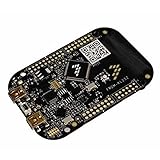
- ApplicationType-DevTools: Applications Processing; CoreSupported-DevTools: KL25;
- Automotive AI chips or IP: Linley Group analyst Linley Gwennap Demler told EE Times that “There are several startups developing AI chips and IP for the automotive market that might be acquisition targets.” The statement identifies a possible category; it does not say NXP is negotiating with any company.
- Vehicle software and safety: TTTech Auto shows how software-defined vehicle middleware and safety-critical systems can complement NXP’s existing automotive portfolio.
- In-vehicle networking: Aviva Links added automotive connectivity technology, making vehicle data links another demonstrated area of portfolio expansion.
- Edge-AI processing: Kinara brought programmable NPUs aimed at automotive and Industrial & IoT applications.
In an EE Times interview published September 3, 2026, Kurt Sievers, then NXP’s CEO, described the company’s focus as “secure edge processing” and characterized NXP as an edge-computing company with security, safety, analog and connectivity capabilities. These remarks help explain the strategic fit of the past deals; they do not identify future targets.
What is confirmed about acquisition activity now?
NXP’s Form 10-Q for the quarter ended June 28, 2026 states: “There were no material acquisitions during the first six months of 2026.” That statement applies to material acquisitions in that reporting period. It does not rule out smaller private discussions, activity after the period, or undisclosed transactions.
NXP’s 2025 Form 10-K also says that, from time to time, it discusses potential acquisitions or investments in businesses, technologies and product lines with third parties. The filing names no counterparties or specific live deals. Taken together, the available public disclosures do not establish a current named target or active negotiation.
Independent reader supportYour contribution helps us test, update, and keep practical guides available for everyone.What investors can—and cannot—infer
The disclosed deals support a reasonable strategic inference: NXP has been adding software, connectivity and AI capabilities that complement its automotive and intelligent-edge business. They cannot be used to conclude that NXP will pursue a particular startup, make another acquisition, or complete a deal on a specific timetable. Demler’s automotive AI-chip and IP suggestion remains analyst speculation unless NXP or a named counterparty confirms a transaction.
Rank #3
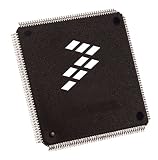
- DEV KIT; SILICON MANUFACTURER:NXP; CORE ARCHITECTURE:POWER ARCHITECTURE; CORE SUB-ARCHITECTURE:POWERQUICC; SILICO
- GIGABIT ETHERNET
- I2C
- P1012
- QORIQ
For investors assessing a future announcement, the useful questions are whether a target adds a capability NXP has publicly pursued, whether the company discloses deal terms and strategic rationale, and whether the acquisition is material enough to appear in a filing. NXP’s company-wide 2025 revenue was $12.269 billion, compared with $12.614 billion in 2024, according to its 2025 Form 10-K; those figures provide scale, not evidence of acquisition intent.
Quick Recap
Product prices and availability are accurate as of the date/time indicated and are subject to change. Any price and availability information displayed on Amazon at the time of purchase will apply.




