Outdated Drivers Are Slowing You Down
One free scan finds every outdated or missing driver and matches the right update for your exact hardware.Free scan · exact hardware matchWindows Errors? Fix Them Before They Spread
Repair common Windows errors and clear accumulated junk for a smoother, more stable PC - no reinstall needed.Free scan · no reinstallTo start affiliate marketing on Instagram, choose a clear audience and product niche, join a relevant affiliate program, publish useful product content, disclose commissions plainly, and track clicks and sales. You do not need access to Instagram’s native affiliate features: an approved external affiliate link in your profile or a Story can be enough to begin.
How affiliate marketing on Instagram works
You recommend a product or service and share a unique link, storefront, product tag, or code. If someone completes a qualifying purchase or other action, the retailer or affiliate network attributes it according to its rules and may pay you a commission. Attribution windows, eligible products, returns, and payment terms vary by program, so a click or order shown in a dashboard is not necessarily a finalized commission.
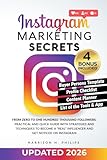


This differs from other ways creators earn money: sponsored posts pay for producing or publishing content; gifted-product campaigns provide a product but can still create a material connection; user-generated content (UGC) work pays for content production whether or not your audience buys; and reselling or dropshipping involves selling or fulfilling products yourself. Instagram subscriptions and badges are platform monetization, not merchant referral commissions.
Can you start with a small following?
Yes. A small audience can be useful when it is focused, trusts your recommendations, and is actively looking for help with a buying decision. Follower count is only one part of the path: a program must accept you, people must see the content, viewers must trust it, and interested viewers must click and make an eligible purchase. Programs set their own acceptance standards; do not assume one universal follower threshold.
Quick wins for a faster PC:
Fix the driver behind crashes, sound loss and screen glitchesFind Drivers →Repair Windows errors before they cause bigger problemsFix Now →Scan for outdated or missing drivers - takes under a minuteDriver Scan →Instagram’s native affiliate tools are optional and account-dependent. Meta’s published terms describe eligibility and onboarding, not access for every creator or market. Treat product tagging and in-app affiliate features as possible additions, not a prerequisite for starting. See Meta’s creator terms and seller terms.
Choose a niche and products people have a reason to buy
Start with an audience problem, not a commission percentage. A useful niche is specific enough that people understand why you recommend these products, but broad enough to support ongoing content. Consider whether you know the subject, can show products in use, whether the audience buys in the category, and whether there is enough variety for comparisons and alternatives.
- Budget home-office equipment for remote workers
- Travel gear for a specific kind of traveler
- Apartment-friendly fitness equipment
- Tools and accessories for beginning photographers
- Affordable outfits for a defined occasion or body type
- Skincare routines for a particular skin concern, with careful, supportable claims
Make a list of products you genuinely use, understand, or can evaluate responsibly. A high commission rate is not a good reason to promote a poor fit: demand, trust, conversion, returns, and the program’s rules all affect actual earnings. For health, financial, children’s, security, or environmental claims, use extra care and do not repeat claims you cannot support.
Choose an affiliate route
There is no single best program for every creator. Compare the product selection, audience fit, application process, link experience, advertiser rules, and attribution terms before committing.
The Tool Desk
Outbyte PC Repair FREERepair Windows errors before they cause bigger problemsFix Now →Outbyte Driver Updater FREEScan for outdated or missing drivers - takes under a minuteDriver Scan →| Route | Good starting fit | Trade-offs to check |
|---|---|---|
| Retailer program, such as Amazon Associates | Broad consumer-product recommendations and roundups; shoppers may already know the retailer. | Rates differ by category and qualifying action, and you have limited control over stock, price, shipping, and returns. Amazon advertises potential commissions of up to 10%; that is a headline maximum, not a standard rate or earnings promise. |
| Affiliate network, such as Awin | Creators seeking offers from multiple brands through one network. | Awin advertises free creator signup and access to more than 30,000 brands, but network signup does not guarantee approval by each advertiser. Merchant rules, rates, and attribution differ. |
| Creator-commerce platform, such as LTK or ShopMy | Visually shoppable categories and creators who want organized collections or a storefront. | Application or approval may be required; retailer coverage and commissions vary. LTK describes expectations including a public social profile and regularly published, high-quality shoppable content. Neither platform’s cited creator page promises acceptance or earnings. |
| Direct brand program | A creator with a strong fit or relationship with one brand. | Terms and tracking may be less standardized, and managing separate applications and dashboards takes work. Vet payment reliability and program rules. |
For software or subscription products, look for the brand’s direct program or a network listing, then check whether commissions recur, which actions qualify, and what happens after cancellation or refunds. Do not infer a standard commission or payout schedule from the product category.
Set up a profile that makes the recommendation useful
Make the account’s subject and audience benefit clear. A visitor should quickly understand what you help them choose, learn, or do, and where to find your recommendations.
- Choose a recognizable profile image and a name that fits the niche.
- Write a concise bio that states the audience benefit and points to one organized destination.
- Group products by problem or use case rather than presenting a random catalog.
- Pin an introductory post explaining how you choose and evaluate products.
- Use a professional account if its analytics or contact features help your work, but do not treat one account type as a universal affiliate prerequisite.
Sample bio: “Practical hiking gear for beginners—tested, compared, and linked below. Some links are affiliate links, so I may earn a commission.” A profile disclosure is useful context, but it does not replace a disclosure on each recommendation.
Apply, check the terms, and make trackable links
- List products: Start with products you know or can assess honestly, and identify the retailers and brands that sell them.
- Compare program rules: Check commissions, attribution windows, eligible traffic sources, prohibited content, coupon and paid-ad rules, returns or reversals, minimum payout, payment method, and geographic limits.
- Apply accurately: Use your real profile and describe your content and audience truthfully. Approval by a network does not necessarily mean approval by an advertiser on that network.
- Save required disclosures: Keep any retailer-specific language with the program notes so it is used in the right places.
- Generate a distinct link: Create a trackable link for each product or collection. Use sub-IDs or campaign labels if the program supports them, and name them so you can identify the post or content angle later.
- Check link rules: Do not cloak, shorten, or redirect affiliate links unless the specific program allows it. Confirm that the destination works on a phone and opens reliably from Instagram.
For beginners, a profile link to one well-organized storefront or collection is often more dependable than waiting for native Instagram access. Keep the route from recommendation to product as short as possible while retaining enough explanation and disclosure.
Choose the right link destination
- Direct product link: Best when one product answers the viewer’s question and they are ready to shop. It is simple, but may be awkward to reuse for multiple recommendations.
- Curated storefront: Useful for related products, alternatives, and price tiers. Organize it around needs or use cases; too many choices can create friction.
- Product-specific landing page: Useful when you need to explain a recommendation or compare merchants before sending people onward. It requires maintenance and introduces another page load and click.
Do not add a storefront or paid link-management tool just for appearance. A simple profile link may be enough until you have a clear need for multiple categories, analytics, email capture, or custom branding. Confirm that any redirects or link behavior comply with each program’s terms.
Create content that gives people a reason to click
A bare product link gives viewers little basis for deciding whether the item suits them. Show the product in context, explain who it is for, and include a limitation or alternative where relevant. Useful formats include demonstrations, tutorials, comparisons, budget-to-premium options, “what I would buy again,” setup walkthroughs, mistakes to avoid, and gift guides.
Reel outline
- Hook: Name a specific problem or buying question.
- Demonstrate: Show the product in use rather than only displaying the packaging.
- Explain: Say what it does and does not do; distinguish firsthand testing from research or opinion.
- Identify fit: Explain who may benefit and who should consider another option.
- Call to action: Tell viewers where to find the link.
- Disclose: Make the commission relationship clear in the video or its accompanying text.
Carousel outline
- Open with a concrete buying question.
- Use the middle slides to compare options, features, drawbacks, and use cases.
- On the final slide, say where the links are and disclose the commission relationship.
- Use the caption for context or qualifications, not to hide the disclosure after a long block of text.
Stories
Put the disclosure on the frame that contains the recommendation or link; viewers may not have seen an earlier frame. The FTC advises that disclosures in image-based content be superimposed over the image and remain visible long enough to notice and read. Its guidance is at Disclosures 101 for Social Media Influencers.
Rank #3
Disclose commissions clearly
In the United States, a commission opportunity is a material connection that should be disclosed clearly and conspicuously. Use ordinary language near the recommendation and link, not a vague label or a disclosure viewers must hunt for. The FTC’s Endorsement Guides Q&A and endorsements overview explain the standard.
Free tools Windows power users keep installed
One-click scans. No signup required.
Examples include “I may earn a commission if you buy through this link” or “Affiliate link—if you buy, I may earn a commission at no extra cost to you.” Avoid relying on terms such as “collab,” “sp,” or “affiliate” alone, or placing the disclosure after unrelated hashtags, behind a “more” cutoff, or only on a separate page.
Instagram treats content featuring affiliate links as branded content and says creators should use the Paid partnership label, even when no business partner is tagged. Use the label where available and add plain-language disclosure in the caption, video, Story frame, or link context: the platform tool and a viewer-facing explanation are complementary. See Instagram’s branded-content guidance and Paid partnership label guidance.
Amazon Associates also requires the statement “As an Amazon Associate I earn from qualifying purchases.” Its policy calls for clear, conspicuous link-level disclosure and gives examples including “paid link,” “#ad,” and “#CommissionsEarned.” Check the current Amazon disclosure requirements and link-level disclosure guidance. Amazon’s statement does not by itself establish that every FTC or Instagram disclosure obligation has been met.
Gifted or loaned products can also create a material connection and require appropriate disclosure. A discount code may be compensation even without a clickable link. If you send a recommendation in a comment or direct message, disclose the relationship there rather than assuming a caption disclosure will travel with it.
What’s actually slowing this PC down?
Pick the symptom - the matching free tool is one click away.
Rank #4
Publish a small first campaign
Start with one audience problem and one primary recommendation, with one realistic alternative if it helps viewers choose. Reuse the same editorial idea across formats without copying a sales pitch everywhere.
- Make one Reel demonstrating the primary product and state who it suits.
- Publish one carousel comparing the main option with an alternative, including drawbacks.
- Use a short Story sequence to answer a question and point to the relevant link; disclose on each relevant frame.
- Send all calls to action to the matching product page or clearly organized collection.
- Use a distinct tracking label for each format or campaign if your program supports it.
Measure clicks, sales, and final earnings
Instagram Insights can help you assess reach, impressions, saves, shares, profile visits, and available link interactions. The affiliate network, retailer, or storefront dashboard is normally where you check attributed clicks, orders, commissions, and reversals. Do not assume Instagram Insights alone can show affiliate sales.
- Click-through rate = link clicks ÷ impressions × 100
- Conversion rate = attributed orders ÷ affiliate clicks × 100
- Earnings per click = commissions ÷ affiliate clicks
- Revenue per 1,000 impressions = commissions ÷ impressions × 1,000
A simple tracking sheet can include date, post URL, format, product, campaign label, impressions, clicks, attributed orders, reported commission, reversals, and notes. Review results by product and format after enough impressions accumulate. Clicks without orders can signal a mismatch between the promise and the destination, weak buying intent, price or availability friction, or attribution rules; compare the evidence before changing the product or content.
Understand the economics without assuming a benchmark
A rough estimate is:
Estimated commission = qualified clicks × conversion rate × average order value × commission rate
For illustration only, 1,000 impressions leading to 30 affiliate clicks, a 5% conversion rate, a $60 average order, and a 5% commission would yield 30 × 0.05 × $60 × 0.05 = $4.50 in estimated commission. These figures are hypothetical, not a typical result or forecast. Actual payments depend on eligible actions, product and category rules, attribution, cancellations, returns, and program terms.
Reported commissions can be reversed after refunds, and some programs credit only certain products or actions. App purchases, different devices, or excluded geographies may affect attribution. Check the program’s reporting and terms before treating a dashboard figure as final income.
A pre-publish and maintenance checklist
- Does this recommendation solve a specific audience problem?
- Have you distinguished firsthand use from research or opinion, and avoided unsupported performance claims?
- Does the link work on mobile, lead to the expected product, and comply with the program’s link rules?
- Is a plain-language commission disclosure visible near the recommendation, with Instagram’s Paid partnership label used where applicable?
- Does the call to action match the destination and tell viewers where to find it?
Review older posts periodically for broken links, unavailable or discontinued products, changed prices, and claims that are no longer accurate. If you used a free product, code, or other benefit, reassess whether the content needs an additional disclosure.
Avoid common account and trust problems
Posting links without useful context
Unexplained links can look like spam and give viewers no basis for choosing. Demonstrate the item, explain its fit, and name a drawback or alternative when appropriate.
Using restricted traffic or opaque redirects
Programs may restrict paid ads, coupon traffic, trademark bidding, incentives, redirects, or particular regions. Read the advertiser-specific terms and ask the network before using an uncertain traffic source. Do not use spam comments or mass direct messages to distribute links.
Making claims you cannot support
Be especially careful with health, supplements, weight loss, medical devices, financial products, security, children’s products, and sustainability claims. Describe personal experience accurately, do not turn opinion into a guarantee, and do not imply you tested an item if you did not.
Relying on an old feature tutorial
Instagram menus, eligibility, and commerce availability change. Do not assume an old screen path works for every account. If an in-app feature is unavailable, use an external affiliate destination permitted by your program.
How long does it take to see results?
There is no reliable universal timeline. Results depend on how often relevant people see the content, how well the product matches their intent, whether they trust the recommendation, the purchase path, and the program’s attribution and commission rules. Affiliate marketing also takes continuing work: content creation, product research, link maintenance, compliance checks, and replacing poor-fit or unavailable offers. Treat early posts as a way to learn which problems, formats, and products earn qualified clicks—not as a guaranteed income stream.
Do these 3 things before closing this tab:
1Scan for outdated or missing drivers - takes under a minute2Repair Windows errors before they cause bigger problems3Fix the driver behind crashes, sound loss and screen glitchesQuick Recap
Product prices and availability are accurate as of the date/time indicated and are subject to change. Any price and availability information displayed on Amazon at the time of purchase will apply.




