Free tools Windows power users keep installed
One-click scans. No signup required.
Starting a cattle hauling business begins with defining the routes, animals, and services you plan to handle—not buying a trailer. Those decisions determine which carrier rules, insurance filings, driver requirements, and animal-movement documents may apply. For a U.S. for-hire operation, validate the requirements for your actual truck, lanes, and cattle before accepting loads.
Define the business before buying equipment
Write down the service area, likely routes, cattle classes and movement purposes, expected load profile, and whether you will haul for hire. Interstate and intrastate trips can have different requirements; so can different vehicle ratings and animal destinations. The plan should also identify likely customers—such as ranches, sale barns, feedlots, and processors—and clarify their loading expectations, seasonal demand, payment timing, and insurance requirements.
Use those conversations to establish whether enough suitable work exists on the lanes you can serve. Do not assume that a broad claim about trailer capacity or a single customer’s needs establishes a safe or legal equipment configuration.
Build a route-based startup budget
There is no reliable universal startup cost or profit figure for cattle hauling in the available official material. Costs depend on the equipment, routes, operating model, and insurance and compliance requirements. Build a forecast for each likely lane rather than relying on a generic estimate.
Do these 3 things before closing this tab:
1Scan for outdated or missing drivers - takes under a minute2Repair Windows errors before they cause bigger problems3Fix the driver behind crashes, sound loss and screen glitches#1 Best Overall
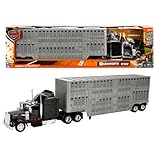
- Die cast with Chrome Trailer
- 1:43 Kenworth Long Hauler
- Fixed and acquisition costs: truck and trailer purchase or financing, registrations, permits, and insurance.
- Trip costs: fuel, driver labor, tires, maintenance, and loading and unloading time.
- Utilization and downtime: deadhead miles, cleaning, repairs, seasonal variation, and time a vehicle is unavailable for loads.
Ask potential customers about volume and payment terms, then test whether expected revenue can cover the full cost of dispatched and empty miles. Do not count a hoped-for load as recurring revenue until the customer and lane are credible.
Choose a truck and livestock trailer for the actual work
There is no one livestock trailer configuration suited to every cattle-hauling operation. Compare candidate equipment against the truck, cattle, route, and applicable rules. Check payload within legal ratings, towing compatibility, usable deck and compartment layout, loading access, ventilation, flooring, brakes, tires, cleanability, parts support, and total cost of ownership.
Rank #2

- Construction Toys for Kids: This Freightliner set is perfect for construction toy collections and includes a durable toy truck, cattle trailer, and eight farm animals for both indoor and outdoor play
- Lifelike Details: The included cattle trailer toy hitched to the semi truck features exceptional details for an authentic look and more playtime fun
- Farm Playset Includes: This truck toy playset includes 8 head of cattle, semi truck, and a cattle trailer for fun pretend play
- Quality Materials: This playset features durable construction that is great for playtime for kids ages 3 years and up as they imagine themselves taking their cattle on the road
- Officially Licensed Product: This Freightliner 122SD Semi Truck toy is officially licensed and produced by TOMY – Our mission is to make the world smile!
A trailer’s advertised capacity does not prove that it is appropriate for a particular combination or load. Verify the truck and trailer ratings, their condition, and the planned load and route before purchase or dispatch.
Confirm authority, insurance, and vehicle requirements
For an interstate for-hire operation, determine the applicable Federal Motor Carrier Safety Administration (FMCSA) registration and operating authority before taking loads. FMCSA says it will not grant operating authority until required financial-responsibility filings are on file; the requirements vary with the entity, authority, cargo, and vehicle. See FMCSA financial-responsibility filing requirements and have a commercial carrier insurer confirm the filings and livestock-hauling coverage for the business you are forming. A universal insurance premium cannot be responsibly stated without a defined operation and quote.
What’s actually slowing this PC down?
Pick the symptom - the matching free tool is one click away.
Rank #3
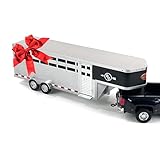
- Realistic Details: Our horse trailer toys feature realistic details of real-life trailers for both young children and adults to admire.
- Gooseneck Hitch: The farm gooseneck trailer hitch can be attached to any Big Country Toys truck, tractor, or other ranch vehicle.
- Working Doors: The Sundowner travel trailer toy has features both rear and side doors that can be easily opened and closed to haul Big Country Toys and Schleich farm and rodeo animals.
- 1:20 Scale: Our 3 year old boy toys are realistic replicas of the real-life trailer in 1:20 scale.
- Durable Construction: Our truck and trailer toys for boys are made of heavy duty yet lightweight plastic that can withstand endless playtime for young children ages 3 years and older.
Keep the legal business name and address consistent across formation and carrier-authority records. Vehicle and driver obligations also depend on the truck and combination ratings and the operation. FMCSA’s commercial driver licensing guidance describes weight-rating considerations and notes that state farm-vehicle waivers may exist; do not assume a farm-related waiver applies to your business or route. Verify the exact vehicle, driver, and state requirements before operating.
Check hours-of-service and ELD rules for each trip
FMCSA treats livestock as an agricultural commodity in its hours-of-service (HOS) guidance. The guidance describes a 150-air-mile exemption near the end of a livestock trip and says that livestock and insect transporters are not required to have an electronic logging device (ELD) “at this time.” These are specific, time-sensitive provisions—not a blanket waiver of other transport rules or driver obligations. Review the current FMCSA agricultural commodities and livestock guidance and the underlying rule against the facts of each trip, including the route and recordkeeping requirements.
Rank #4

- REALISTIC RANCH PLAY: Features a white pickup truck with working lights and sounds plus a sturdy cattle trailer built for transporting livestock, bringing authentic ranch action to life and inspiring hands-on adventures.
- FULLY ARTICULATED FIGURES: Includes a poseable rancher action figure and three movable cattle figures, allowing kids to create lifelike ranch scenes, haul animals to auctions, and act out daily chores with immersive play.
- COMPLETE ACCESSORY SET: Packed with farm tools, fencing, feed pieces and essentials so kids can load supplies, set up pastures, and recreate real ranch routines that make every storytelling moment feel engaging and realistic.
- STORY-BASED FUN: Includes an illustrated on-box story that guides young ranchers through early-morning chores, livestock hauling, and pasture time, encouraging creativity and dynamic storytelling. UDDERLY THRIVING!
- COLLECT & CONNECT: Compatible with other Big Country Adventures playsets—expand your ranch and create a growing, interactive farm world for extended and evolving play opportunities.
Verify cattle movement documents before dispatch
Interstate movement requirements depend on cattle class and purpose. The U.S. Department of Agriculture’s Animal and Plant Health Inspection Service (APHIS) guide lists official identification and accompanying-document requirements for certain beef and dairy cattle, while describing exceptions. Feeder cattle and cattle moving directly to slaughter are treated differently in that reference; do not apply a rule for one category to every load.
Before dispatch, identify the cattle class and destination, then confirm current identification, certificate of veterinary inspection, and other entry requirements with APHIS and the destination state’s animal health officials. Start with the APHIS interstate cattle movement guide. State entry conditions can vary, so a federal overview alone is not a complete state-by-state checklist.
Windows Errors? Fix Them Before They Spread
Repair common Windows errors and clear accumulated junk for a smoother, more stable PC - no reinstall needed.Free scan · no reinstallOutdated Drivers Are Slowing You Down
One free scan finds every outdated or missing driver and matches the right update for your exact hardware.Free scan · exact hardware matchBest Value
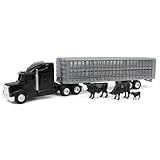
- Five Piece Toy Set: This farm hauling set includes a semitruck, cattle trailer, two cattle, and a calf so kids can create their own livestock hauling adventures from farm to fair
- Imaginative Farm Play: Inspires creative playtime as kids guide the semitruck and trailer across their farm scene while imagining livestock transport and farm work
- Opening Trailer Door: The cattle trailer door opens for easy loading and unloading of the animals, adding a realistic detail that enhances farm hauling play
- Free Rolling Wheels: Smooth rolling wheels on both the semitruck and trailer make push along play easy as kids guide the truck across floors, tables, or outdoor play areas
- Great Gift For Kids: Young farm fans ages 3 years and up will enjoy adding this livestock hauling truck to their farm toy collection for everyday play
Determine whether the Animal Welfare Act applies
Do not assume that all cattle hauling is covered by the Animal Welfare Act (AWA), or that no cattle hauling is covered. APHIS describes regulated commerce that can include a carrier taking custody of covered animals and transporting them for hire. Its licensing guidance also describes an exemption for normal farm-type operations raising or trading animals only for food, fur, or fiber. Coverage turns on the animals and the actual service and purpose, so check APHIS guidance—including its AWA scope information and licensing guidance—for the operation you intend to run.
Plan loading, transport, and unloading
Transport can stress animals, and avoidable delays complicate a load. Plan the loading and unloading arrangements, monitor animals and conditions during the trip, and minimize preventable delays. The USDA National Agricultural Library provides livestock handling resources to inform handling practices. Set practical procedures with customers and confirm that the trailer’s access, flooring, ventilation, and layout suit the animals and route.
Quick Recap
Use a launch checklist before accepting loads
- Define the operation: document service area, interstate or intrastate lanes, for-hire status, cattle classes, purposes, and likely customer volume.
- Validate the economics: estimate costs by route, including deadhead miles, labor, cleaning, maintenance, and downtime; confirm payment terms and loading expectations with customers.
- Select compatible equipment: verify truck and trailer ratings, condition, load suitability, and route fit rather than relying on a listing’s capacity claim.
- Resolve carrier and insurance requirements: confirm applicable registrations, authority, financial-responsibility filings, coverage, and driver and vehicle rules.
- Verify trip-specific compliance: check current HOS and ELD rules, cattle identification and documents, destination-state entry conditions, and any AWA coverage questions before dispatch.
Product prices and availability are accurate as of the date/time indicated and are subject to change. Any price and availability information displayed on Amazon at the time of purchase will apply.




