There is no general U.S. FDA “fish import license” for an importer, product, or shipment. Instead, you must meet the requirements that apply to your specific fish or seafood—requirements that can involve FDA, NOAA Fisheries, USDA APHIS, and U.S. Customs and Border Protection (CBP). The right path depends on the species, whether it is food or live aquatic stock, its origin and processing, and its intended use.
Which U.S. requirements apply to your fish import?
Think of this as a set of agency requirements, not one license application. FDA oversees food safety and seafood import procedures; NOAA Fisheries has permits and monitoring rules for particular species and trade programs; APHIS regulates certain live aquatic animals; and CBP handles customs entry. State rules may also apply.
| Product or issue | Agency pathway | When to check it |
|---|---|---|
| Fish and seafood intended for human consumption | FDA food import procedures and seafood HACCP importer verification | For food shipments; applicable facility registration and prior notice are among FDA’s import procedures. |
| Specified monitored seafood species and commodities | NOAA Fisheries permits or trade-program requirements, including SIMP | Only when the species, commodity, or tariff code is covered by the relevant program. |
| Specified live fish, fertilized eggs, or gametes | USDA APHIS permit, health certificate, and designated-port inspection | For listed species subject to the covered disease controls, including SVC or TiLV requirements. |
| Customs entry and origin-related controls | CBP entry procedures and applicable restrictions or certifications | For shipments entering the United States; requirements depend on the shipment and current rules. |
How do I get a fish import license? Start with the shipment details
Before contacting an agency or arranging transport, assemble the facts that determine which rules apply. A supplier’s general description such as “fresh fish” may not be enough.
- Common and scientific species name.
- Whether the shipment is live aquatic stock or food for human consumption.
- Product form and processing: for example, fresh, frozen, filleted, or otherwise processed.
- Country of harvest, country of processing, and supplier or processor details.
- Intended use, quantity, and proposed U.S. port of entry.
These details matter because NOAA programs cover specified commodities, while APHIS requirements depend on live species and disease controls. Without them, no single permit checklist can reliably answer what your shipment needs.
#1 Best Overall

- The aquarium brush made of high quality sponge, could remove the algae quickly and effectively, keep your fish tank a clean environment
- The brush handle made of premium plastic, sturdy and durable, with non-slip handle surface, make this clean work more easily
- Designed with a hole on the end of the handle, more convenient for you to hanging and store
- This algae scraper brush suitable for glass fish tank but not suitable for acrylic and plastic fish tank
- Dimension of sponge:3”x2.5”; Length of handle:12.5”
For seafood intended as food, meet FDA requirements
FDA does not approve, certify, or license individual food importers, products, labels, or shipments as a general prerequisite to import. That does not mean a food shipment is automatically cleared: importers are responsible for applicable food safety, sanitation, labeling, and import compliance. FDA identifies food facility registration where required and prior notice among the procedures importers must address. FDA may inspect or detain a noncompliant shipment.
Meet seafood HACCP importer-verification obligations
Fish and fishery products have seafood Hazard Analysis and Critical Control Point (HACCP) requirements. An importer should establish whether an applicable, active FDA memorandum of understanding (MOU) covers the particular product and processor. If it does not, the importer must have written verification procedures and take affirmative steps to verify that the product was processed in accordance with applicable requirements. Do not assume an MOU applies just because it covers the same country or a similar product; check its actual product and processor coverage.
Rank #2
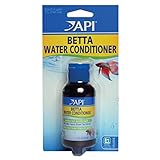
- Contains one (1) API BETTA WATER CONDITIONER Betta Fish Freshwater Aquarium Water Conditioner 1.7-Ounce Bottle
- Neutralizes chlorine, chloramines, ammonia and other chemicals to make tap water safe for betta fish
- Prevents tap water chemicals from causing gill destruction, tissue irritation and fish death
- Formulated with aloe vera to and green tea extract to reduce inflammation and help heal fish
- Use when starting a new Betta bowl or aquarium and when changing water
FDA may inspect an importer’s verification practices. Inadequate verification can lead to detention without physical examination for the relevant importer, product, and processor combination.
Check NOAA permits and seafood monitoring by species
NOAA requirements are not universal fish-import licenses. NOAA Fisheries lists separate programs for particular commodities, including international trade permits for bluefin tuna, swordfish, frozen bigeye tuna, and shark fins. Check the program list against the exact species and product you plan to import.
Free tools Windows power users keep installed
One-click scans. No signup required.
Rank #3

- Fiberglass Poles:Lightweight & Sturdy.Insulated fiberglass, safe to use near aquarium equipment.Smooth surface,hard for algae and limescale to stick on.Aging-resistant, long service life, sturdy & durable.
- Telescopic Handle Design: Retractable pole extends from 18 to 24 inches, ideal for aquariums with water depth up to 24 inches.
- Replaceable Scraper Insert Design:Swap worn inserts to scrape stubborn algae. Replacement inserts are sold separately; spare inserts are not included.Note: Dry thoroughly after use to extend service life. Not suitable for acrylic aquariums.
- Suitable for Freshwater and Saltwater:Heads are interchangeable in seconds and easy to clean.
- Accessories: 1 Algae Scraper,1 Sponge Brush,1 Tubing Brush,1 Fish Net.Note: Scraper is not suitable for acrylic fish tanks.
Determine whether SIMP applies
The Seafood Import Monitoring Program (SIMP) covers specified species and associated Harmonized Tariff Schedule (HTS) codes, not all seafood. For a covered import, the U.S. importer of record must obtain a NOAA International Fisheries Trade Permit (IFTP), report required harvest information at entry, and keep chain-of-custody records from harvest to U.S. entry. Confirm both the species and HTS code; the program’s scope is not determined by the everyday name of the product alone.
For regulated live fish, check APHIS before shipping
Live fish and food seafood follow different agency pathways. For listed live aquatic animals, fertilized eggs, and gametes susceptible to spring viremia of carp (SVC) or tilapia lake virus (TiLV), USDA APHIS requires an import permit, an official veterinary health certificate from the exporting government’s competent authority, and inspection at a designated U.S. port.
Rank #4

- 【NATURAL DRIFTWOOD】 --- Each piece of driftwood has a distinctive shape and looks different from various angles. Each piecec is unique.the pictures shown are only some of the driftwoods, what your get may be different from pictures show.
- 【SUITABLE FOR AQUARIUMS OF VARIOUS SIZES】 --- Driftwood branches, ranging in size from 6" to 10", are carefully selected manually and suitable for aquariums of various sizes. They can instantly adds natural beauty to your aquarium.
- 【SUITABLE FOR AQUARIUMS OF VARIOUS STYLES】 --- It is suitable for aquariums decorated in simple styles. You can also use it to create moss trees in a fish tank. It can be used not only as aquarium decorations, but also as reptile decor.
- 【STURDY AND DURABLE】 --- High-quality drift wood, sturdy and durable, can be used for a long time under water or in drought environment. It is perfect decoration as well as an ideal choice for reptile to climb on, adding natural beauty to your aquariums or terrariums.
- 【SATISFACTION ASSURED】--- Buy with confidence! If there are any damaged, contact us for a refund or replacement.
APHIS directs importers to its Veterinary Services Permitting Assistant to identify requirements and to its eFile process for applications. For the species covered by its stated instructions, APHIS says applications should be filed at least seven business days before shipment and the permit is valid for 30 days. Verify the current instructions for your species and shipment before relying on those timing details.
Independent reader supportYour contribution helps us test, update, and keep practical guides available for everyone.Coordinate customs entry and check origin-related controls
CBP handles U.S. customs entry, and importers often coordinate the filing process with a customs broker. NOAA points commercial importers to CBP’s importer guidance. Using a broker can help with entry filings, but it does not replace permits, agency requirements, or the importer’s responsibility to comply.
Quick wins for a faster PC:
Fix the driver behind crashes, sound loss and screen glitchesFind Drivers →Repair Windows errors before they cause bigger problemsFix Now →Scan for outdated or missing drivers - takes under a minuteDriver Scan →Best Value

- Reliable Fish Net To Use --- Its soft nylon mesh material will not affect your fish during transfer. The fine holes will not make gill plates or fins to be stuck or cause injury.
- Your Maintenance Equipment is Right Here! --- For anyone who owns or takes care of home aquariums would know that maintenance doesn't come effortlessly.
- Durable, Vinyl-Coated Handle --- The plastic coating that frames the neck of the fish net offers an overall sturdier grip, and the cushiony soft padding wrapped around the handle allows for a smooth and comfortable grip.
- Refined Mesh Netting for Smoother Flow --- Made out of a soft, close-knit mesh and delicate nylon that avoids discomfort for the fishes when capturing. The fine netting endorses smooth and fluid movements through your aquarium's water without a hitch.
- Not Just a Single Use Object! --- SunGrow's aquarium net fine mesh is not made just to capture your fish. You can also use it to fish debris out or separate it from your tank such as extra food and excessive decoration.
CBP’s seafood guidance reports an importer self-certification requirement that fish and seafood do not contain Russian Federation-origin inputs, including when processing occurs in a third country. Because this is an origin-sensitive control, establish the product’s sourcing and processing history and check the current CBP instructions for your shipment.
FDA may also require import certification when it makes a risk-based determination for a particular product or region. This is a targeted measure, not a certification requirement for every fish import.
Use this pre-shipment checklist
- Classify the shipment. Record species, live or food status, product form, processing, origin, intended use, quantity, and entry port.
- Check FDA obligations for food. Confirm applicable facility registration and prior notice, U.S.-compliant food and labeling requirements, and seafood HACCP importer verification.
- Check NOAA coverage. Search for species-specific trade permits and determine whether the species and HTS code fall under SIMP or another program.
- Check APHIS controls for live aquatic stock. Use APHIS’s permitting assistant and confirm permit, health certificate, and designated-port inspection requirements before dispatch.
- Confirm CBP entry and current origin controls. Make sure the entry information and any required self-certification or other documentation are in order.
- Assemble supporting records. Obtain supplier and processor details, HACCP verification records as applicable, harvest and chain-of-custody data for covered NOAA programs, and required permits and certificates for live shipments.
- Recheck close to shipment. Agency rules and alerts can change. Confirm current requirements for the exact product, origin, and entry before it leaves the exporting country.
What to confirm before you pay for or ship an order
- Which agency requirements apply to the exact species and product form?
- Does FDA’s seafood HACCP MOU coverage actually include this product and processor, or must you use written verification procedures and affirmative steps?
- Is the shipment covered by a NOAA permit or monitoring program, including SIMP?
- If it is live fish, eggs, or gametes, does APHIS require a permit, official health certificate, and designated-port inspection?
- Can the supplier document harvest, processing, and origin details needed for applicable compliance checks?
- Are entry filings and shipment documents coordinated for the intended port and date?
For a real shipment, the final answer cannot be determined from the phrase “fish import license” alone. It requires the destination, species, product form, origin, intended use, and shipment details; verify those facts against current agency instructions before shipping.
Quick Recap
Product prices and availability are accurate as of the date/time indicated and are subject to change. Any price and availability information displayed on Amazon at the time of purchase will apply.
The Tool Desk
Outbyte PC Repair FREEClear out junk files and repair common Windows errorsFree Scan →Outbyte Driver Updater FREEScan for outdated or missing drivers - takes under a minuteDriver Scan →



