Quick wins for a faster PC:
Scan for outdated or missing drivers - takes under a minuteDriver Scan →Repair Windows errors before they cause bigger problemsFix Now →To compare office buildings for lease, first agree on your must-haves, then evaluate every candidate against the same workforce, space, service, and budget requirements. Look beyond advertised rent: test real commutes, confirm which amenities are usable and included, normalize the area measurement, and compare all lease charges over the same occupancy period. Treat scores and marketing claims as leads to verify—not as substitutes for routes, building records, and lease documents.
Set requirements before touring buildings
Start with the people and work the office must support. The U.S. Environmental Protection Agency (EPA) recommends establishing goals and sharing selection criteria with brokers. Turn those goals into must-haves and weighted preferences so every candidate is assessed consistently.


- Workforce and client access: Identify employee commute origins, client destinations, airports or other regular business destinations, and any neighborhood access or safety requirements.
- Space and delivery: Define the usable area, layout, fit-out, accessibility, delivery date, and construction responsibilities you need.
- Building services: Set requirements for meeting space, operating hours, after-hours access and heating, ventilation, and air conditioning (HVAC), security, parking, loading, and everyday amenities.
- Financial limits: Specify the occupancy period and budget, including rent, pass-throughs, utilities, parking, fit-out, and moving costs.
- Flexibility and sustainability: Decide which lease options and environmental performance information matter, and how much uncertainty your budget can absorb.
Mark each requirement as mandatory or scoreable. For scoreable factors, assign weights that reflect your organization’s priorities. A single attractive feature should not compensate for a failure on a genuine must-have.
Compare location and transit using real trips
A map pin or a general walkability or transit score does not tell you how employees will reach the building. Compare door-to-door trips from the places your workforce actually travels from, at the times they usually travel.
#1 Best Overall
- Record typical journey time, walking distance, transfers, and peak-period service frequency.
- Check accessible routes, station or stop access, the last-mile walk, and the conditions of that walk.
- Include driving, parking availability and cost, and regular client or business travel where relevant.
- For a building shuttle, confirm the route, schedule, operating days, capacity, and any fee.
EPA lists proximity to public transportation or shuttle service as a common selection criterion. The General Services Administration’s (GSA) federal-property inventory includes Walk Score and Transit Score fields, but a score is best used as a prompt for further checking, not as a replacement for commute analysis. Verify current routes and schedules with local transit operators; service varies by location and can change.
Evaluate amenities by whether your team can use them
List the features your team will actually use, then confirm each one directly with the property. EPA identifies natural light as a consideration. Other advertised amenities are building-specific: ask about availability, capacity, access rules, hours, and fees rather than assuming they are included.
| Feature to check | What to verify |
|---|---|
| Workspace and meeting areas | Natural light, meeting-room availability, capacity, booking rules, and whether shared areas are included. |
| Food and everyday services | What is on site or nearby, operating hours, and whether access is available during your team’s work hours. |
| Transit, bike, and parking facilities | Bike storage, showers, parking spaces, fees, access hours, and any capacity restrictions. |
| Accessibility and building access | Accessible routes and facilities, security procedures, loading arrangements, and after-hours access. |
| Building operations | Standard operating hours, after-hours HVAC availability and charges, janitorial service, and security coverage. |
Record whether each feature is available, included in the quoted terms, capacity-limited, and usable when you need it. A feature that is unavailable during your operating hours or carries an unbudgeted fee may have little practical value.
Rank #2
Compare the full occupancy cost, not just quoted rent
To compare the total cost of two office leases, use the same occupancy period and the same area basis for both. Separate recurring charges from one-time costs, and make uncertain costs visible as assumptions or ranges rather than treating them as known.
The Tool Desk
Outbyte Driver Updater FREEScan for outdated or missing drivers - takes under a minuteDriver Scan →Outbyte PC Repair FREERepair Windows errors before they cause bigger problemsFix Now →- Confirm the rent basis. Record the quoted rent, whether it is stated per square foot or another unit, the area definition, and the escalation schedule.
- List recurring and reconciled charges. Request the treatment of operating expenses and reconciliations, property taxes, utilities, parking, janitorial service, security, and any insurance requirements or other tenant charges.
- Include variable operating costs. Check utility metering or submetering, after-hours HVAC charges, and how energy costs are allocated under the proposed lease.
- Include one-time costs and incentives. Account for tenant improvements, fit-out, moving, and other upfront costs. Confirm the allowance, scope, timing, approval process, and who is responsible for construction.
- Compare like with like. Estimate each candidate’s costs over the same term and area measure, state your assumptions, and show a range where consumption or pass-throughs are uncertain.
Do not infer total cost from quoted rent per square foot alone. The Building Owners and Managers Association (BOMA) explains that rentable area may be needed to compare operating expenses meaningfully with industry benchmarks. Ask each landlord what “usable” and “rentable” area mean in the proposal, how the area was measured, and what load factor is being applied. Use a consistent area basis for cost comparisons.
Energy figures also need a consistent denominator. EPA defines energy use intensity (EUI) as annual energy consumed divided by gross floor area. When comparing reported EUI, check that the period, energy data, and area basis are comparable; EUI is not the same thing as your utility bill or your lease’s allocation of utility costs.
Use energy information as evidence, not a bill guarantee
EPA’s ENERGY STAR certification is an evidence-backed screening indicator, not a promise that a tenant’s bills will be lower. EPA says certification is annual, requires a score of at least 75 on its 1–100 scale, and is based on actual measured energy use. The application must be verified by a licensed Professional Engineer or Registered Architect. Ask for the current certificate and supporting building data, then separately confirm who pays utilities and how operating expenses are allocated under the lease.
Ask the landlord for current energy benchmarking information, such as a Portfolio Manager report, and discuss who funds efficiency improvements and who benefits from resulting energy savings. EPA specifically recommends clarifying those responsibilities before a long-term commitment. A building’s performance information and the lease’s cost-allocation rules answer different questions; review both.
Do these 3 things before closing this tab:
1Clear out junk files and repair common Windows errors2Scan for outdated or missing drivers - takes under a minute3Repair Windows errors before they cause bigger problemsCompare space delivery and lease flexibility
Two proposals with similar areas can differ in layout efficiency, condition, delivery timing, and the amount of work needed before occupancy. Confirm the usable area, floorplate and layout, required improvements, construction responsibility, delivery date, and tenant improvement terms against written proposal and lease documents.
Rank #4

- STAY ON TRACK AND MAKE THE MOST OF YOUR TIME - Nextnoid daily journal for women simplifies organization, helping you reduce stress and enjoy more free time. Seamlessly manage your schedule, appointments, priorities, and to do list, while using the daily notes page to capture plans and ideas.
- PLAN AHEAD SMARTLY AND BOOST PRODUCTIVITY - Stay efficient and on top of your game! With an day planner intuitive design, the planners breaks down your daily tasks into manageable hourly focus blocks, allowing you to prioritize effectively and maximize productivity.
- AMPLE SPACE FOR EFFECTIVE PLANNING - Focus and manage your time effortlessly. The 5.8” x 8.3” adhd planner for adults women provides generous space for 80 days of impactful planning, with each day spread across two pages to ensure you can structure your time purposefully.
- START ANYTIME AND BUILD BETTER HABITS - The undated planner daily format lets you jump in whenever you’re ready, helping you create a structured routine and develop new planning habits instantly. Conquer procrastination, elevate your mood, and make every day meaningful with this thoughtfully designed hourly planner.
- ELEVATE YOUR PLANNING WITH TIMELESS ELEGANCE - Experience the beauty of daily work planner with a sleek, modern, and minimalist design that brings joy and inspiration to your organizing efforts.
Review flexibility provisions that could matter if your needs change:
- Renewal, termination, expansion, or contraction rights.
- Subletting and assignment terms.
- Restoration obligations at the end of the lease.
- Service commitments, including building access and HVAC availability.
These are due-diligence prompts, not jurisdiction-specific legal advice. Have proposed lease language reviewed by qualified local counsel.
Independent reader supportYour contribution helps us test, update, and keep practical guides available for everyone.Request documents before choosing a building
Ask the broker or landlord for the materials needed to verify the comparison in writing:
Free tools Windows power users keep installed
One-click scans. No signup required.
Best Value
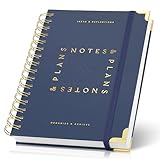
- Easily Stay On Track & Make The Most Of Your Time: ZICOTOs’ daily planner makes it easier than ever for you to stay organized, reduce stress & enjoy more free time! Arrange your schedule, priorities, to do’s and jot down plans & ideas on the daily notes section
- Smartly Plan Ahead & Boost Your Productivity: Absolutely clever & efficient! With the planner notebook you can break down your daily tasks into half-hourly focus blocks and map out priorities & follow-up duties to keep your day on track and enhance productivity
- Plenty Of Space For Efficient Planning: Stay focused & manage your time wisely! The 8.4x6.1” work planner & organizer notebook offers ample space for 105 days of life-changing planning with each day being spread across 2 pages - set yourself up for purposeful days
- Now Is The Best Time To Start: The daily planner is undated so you can start to add structure to your schedule and cultivate new planning habits right away! Beat procrastination, boost happiness & make each day count with the hourly planner
- Adds Beauty To Daily Planning: A gorgeous dark blue art paper cover, chic golden letters, a gold ring wire and a clean, easy-to-use layout, elastic band - enjoy the lovely and modern design of the undated daily planner!
- Draft lease and all exhibits.
- Rent and escalation schedule.
- Recent operating-expense reconciliations and the current budget.
- Property-tax and utility allocation details, including metering or submetering information.
- Building operating hours and after-hours HVAC charges.
- Area measurement, usable and rentable area definitions, and load factor.
- Tenant improvement scope, allowance, approval process, construction responsibility, and timing.
- Transit and shuttle details.
- Amenity and accessibility rules, fees, hours, and capacity limits.
- Current energy benchmarking and certification documents.
- A written explanation of who pays for efficiency improvements and who receives the savings.
EPA advises tenants to engage the landlord before making a long-term commitment and request current Portfolio Manager data. If a material cost or service is not clear in the documents, treat it as unresolved rather than assuming it is included.
Build a shortlist that supports a defensible decision
Create one row for each building and one column for each criterion. Mark must-haves as pass, fail, or unverified; score the remaining factors using the weights you set in advance. Keep the evidence beside each score—for example, a verified commute itinerary, a written fee schedule, or a lease clause—so an attractive tour or marketing claim does not substitute for a fact.
Do not rank candidates against local rent levels, transit service, or legal rules without current, location-specific information. The right comparison depends on your workforce, proposed terms, and the building’s documented services. Use the same requirements and cost assumptions for each candidate, and resolve important unknowns before committing.
Quick Recap
Product prices and availability are accurate as of the date/time indicated and are subject to change. Any price and availability information displayed on Amazon at the time of purchase will apply.




