Do these 3 things before closing this tab:
1Fix the driver behind crashes, sound loss and screen glitches2Repair Windows errors before they cause bigger problems3Scan for outdated or missing drivers - takes under a minuteTo compare Islamic savings accounts and deposit schemes, start with the contract—not the advertised rate. Check how profit is calculated, whether the return is indicative or guaranteed, how losses and principal are treated, and what happens if you need your money early. The exact answers depend on the product and country, so no one account can be called “best” without knowing your location, amount, and likely holding period.
What contract are you entering?
Look for the named Sharia-compliant arrangement in the product’s key facts and contract. Common structures include Mudarabah and Wakalah; a demand or current account may instead use Qard Hasan. The names describe different roles and do not, by themselves, tell you whether principal or profit is guaranteed.



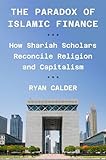
- Mudarabah: the customer provides funds and the bank manages them as Mudarib. The contract should state how profit is shared. In Pakistan, the State Bank of Pakistan (SBP) describes the depositor as fund provider and the bank as manager, with the profit-sharing formula agreed when the contract is made; it says profit cannot be a fixed lump sum or a rate tied to capital. Its explanation also discusses investment pools and weightages: SBP’s Islamic banking FAQ.
- Wakalah: the customer appoints the bank as agent (Wakeel) to invest funds. Depending on the contract, the bank may receive an agreed agency fee and the investment result may pass to the fund provider after that fee. SBP explains this structure for Pakistan in its Islamic banking FAQ.
- Qard Hasan: a benevolent loan arrangement. Emirates Islamic, for example, identifies Qard Hasan as the basis of its UAE current account, while its savings products use other structures. That is an example of one bank’s products, not a universal rule: Emirates Islamic Key Fact Statements.
Saudi Central Bank (SAMA) rules for Saudi profit-sharing investment accounts (PSIAs) allow Mudarabah or Wakalah. In that Saudi context, the bank is Mudarib under Mudarabah and Wakeel under Wakalah; SAMA says Mudarabah profits use a pre-agreed ratio. These are Saudi PSIA rules, not terms that should be assumed for every Islamic savings account elsewhere. See SAMA’s PSIA rule (section 5, dated 11 September 2022).
How is profit calculated, and what does the advertised rate mean?
Record the mechanics, not just the headline figure. Product disclosures should tell you which balances qualify, how the bank calculates profit, how any pool weights or profit-sharing ratio apply, whether an agency fee is deducted, and how often profit is distributed. Ask whether the displayed figure is a historical result, an expected or indicative rate, a promotional rate, or a guaranteed contractual amount—and which document makes that status clear.
#1 Best Overall
Disclosure requirements vary by country. In the UAE, the Central Bank rulebook requires Sharia-compliant deposit providers to explain the relevant Sharia concept and customers’ rights and obligations, how funds are managed, and—where Mudarabah applies—the profit-sharing ratios, weights, distribution method and frequency, and minimum amount requirements. For fixed-tenor products, historical rates should be disclosed to help comparison. These are UAE requirements, not global standards: UAE Central Bank rulebook.
Emirates Islamic’s UAE Key Fact Statements illustrate why the distinction matters: they describe expected rates as indicative and subject to change, and identify them as reflective of previous declared rates rather than guaranteed returns. Check the current statement for the precise account you are considering instead of treating an example rate as a promise: Emirates Islamic Key Fact Statements.
Rank #2

- Used Book in Good Condition
What happens to principal if returns fall or investments lose money?
Read the loss-allocation clause and distinguish an investment account from a demand or current account. Do not infer protection—or its absence—from the word “Islamic.” Check separately whether the bank contract provides a guarantee, whether a statutory deposit-protection scheme covers this product, and what that scheme’s limits, eligibility rules, and exclusions are in your country. The evidence here does not establish a global deposit-protection rule; confirm the applicable local scheme and the product’s status with the bank or relevant authority.
For Saudi PSIAs, SAMA says account holders bear investment losses except in cases including proven fraud, negligence, misconduct, or breach of contract. It also identifies credit and market risk for holders and notes that banks may use discretionary profit-smoothing reserves. This is a Saudi PSIA description, not a general rule for every account or jurisdiction: SAMA’s PSIA rule.
Quick wins for a faster PC:
Fix the driver behind crashes, sound loss and screen glitchesFind Drivers →Clear out junk files and repair common Windows errorsFree Scan →Scan for outdated or missing drivers - takes under a minuteDriver Scan →Rank #3
Can you get your money before maturity?
Compare access terms before placing funds in a fixed-tenor or term scheme. Find the exact notice period, maturity date, whether partial withdrawals are allowed, and what happens to expected or accrued profit if you close early. Check for early-closure fees as well. A bank’s terms index can help locate the relevant documents, but it does not establish the penalty: for example, ADCB lists separate Wakala deposit and premature-withdrawal documents alongside savings-account terms. Read the specific contract and withdrawal document: ADCB Islamic terms and conditions.
What minimums, fees, and eligibility conditions apply?
Use the current key facts statement and tariff for the exact product. Compare the minimum opening amount, any ongoing or average balance requirement, the threshold for earning profit, fees, salary-transfer or package conditions, available currencies, residency rules, and age limits. A low advertised rate can be less useful if your usual balance does not qualify or account fees offset the return.
Rank #4
For example, Emirates Islamic’s UAE Key Fact Statements list an AED 5,000 average monthly balance threshold for profit eligibility on the referenced Mudarabah and Wakala savings accounts, while a Wakala e-Savings entry states no minimum balance. The same statements describe product-specific currencies, residence eligibility, package-dependent fees, and a fee for closing an account within six months. These are time-sensitive terms for named UAE products only; they should not be applied to another bank or market: Emirates Islamic Key Fact Statements.
Independent reader supportYour contribution helps us test, update, and keep practical guides available for everyone.How should you compare options side by side?
Fill in this checklist for each account or deposit scheme using its current product disclosure and contract. If a term is missing, ask the bank to point you to the controlling document before deciding.
Free tools Windows power users keep installed
One-click scans. No signup required.
Best Value
| Compare | What to record |
|---|---|
| Contract and roles | Named arrangement; who provides funds and manages them; profit-sharing ratio or agency fee. |
| Profit method | Eligible balance, calculation basis, pool or weight method, distribution frequency, and whether the stated figure is historical, indicative, expected, promotional, or guaranteed. |
| Loss and principal | Who bears investment loss under the contract; any stated exceptions; separate bank guarantee or local deposit-protection coverage, limits, and exclusions. |
| Access | Notice period or maturity; partial withdrawal rules; early-withdrawal effect on profit; any closure fee. |
| Cost and eligibility | Opening and ongoing minimums; profit threshold; fees; package or salary conditions; currency, residency, and age requirements. |
| Fit | When you may need the funds, your tolerance for variable returns or investment risk, and whether you can meet the account’s administrative conditions. |
Which type may fit your needs?
A savings account may suit money you could need sooner, but check whether withdrawals affect profit eligibility or whether the balance must remain above a threshold. A term deposit scheme may suit funds you can leave until a stated maturity, but only if the lock-up and early-withdrawal treatment match your plans. Neither label settles the risk or return: the contract and local rules do.
Country-specific provisions can materially change the comparison. For example, an SBP circular dated 26 November 2024 requires Islamic Banking Institutions in Pakistan to pay profit on specified PKR savings deposits at no less than 75 percent of the weighted average gross yield of all their pools, effective 1 January 2025. The circular excludes deposits of financial institutions, public-sector enterprises, and public limited companies, and discusses the use of Mudarib share and hiba in specified cases. This is a narrow Pakistan rule for covered savings deposits—not a universal minimum, a promised account rate, or a rule for term deposits: SBP circular of 26 November 2024.
Quick Recap
Product prices and availability are accurate as of the date/time indicated and are subject to change. Any price and availability information displayed on Amazon at the time of purchase will apply.




