There is no single federal hour limit for every minor. For covered nonagricultural jobs, federal law limits 14- and 15-year-olds to 3 hours on a school day and 18 hours in a school week; 16- and 17-year-olds may work unlimited hours in nonhazardous occupations under federal law. State rules can be stricter, and agriculture has different rules.
Federal work-hour limits by age and job type
The Fair Labor Standards Act (FLSA) sets different child-labor rules according to age and whether the job is agricultural or nonagricultural. The limits below describe the federal baseline; they do not establish that a particular job is permitted.


| Age and sector | Federal hours and times | Key qualification |
|---|---|---|
| 14–15, nonagricultural | Up to 3 hours on a school day, including Friday; 18 hours in a school week; 8 hours on a nonschool day; and 40 hours in a nonschool week. Work is generally allowed from 7 a.m. to 7 p.m.; from June 1 through Labor Day, the end time extends to 9 p.m>. | Only outside school hours, and only in permitted occupations. See the U.S. Department of Labor’s 14- and 15-year-old nonagricultural rules. |
| 16–17, nonagricultural | No federal limit on hours or time of day. | Only for nonhazardous occupations; federal hazardous-occupation restrictions still apply to workers under 18. State rules may limit hours. See the Department of Labor’s hours guidance. |
| Under 16, agriculture | Different age- and school-dependent federal rules apply. | Do not apply the nonagricultural schedule to farm work. Consult the Department of Labor’s agricultural and nonagricultural hours guidance. |
| 16 and older, agriculture | The FLSA does not set federal hours or time-of-day limits. | State restrictions may apply, and occupation rules remain relevant. See the Department of Labor’s hours guidance. |
How many hours can a 14- or 15-year-old work?
For covered nonagricultural employment, the federal caps depend on whether school is in session. A school day includes Friday. The weekly cap is based on the school week, not simply the number of shifts an employer schedules.
- When school is in session: no more than 3 hours on a school day and 18 hours in a school week.
- When school is not in session: no more than 8 hours on a nonschool day and 40 hours in a nonschool week.
- Time of day: generally no work before 7 a.m. or after 7 p.m.; from June 1 through Labor Day, work may continue until 9 p.m.
- School hours: work must be outside school hours under the ordinary rule.
For private-school, home-school, or no-school situations, the Department of Labor says to use the public school where the minor lives while employed to determine whether school is in session. The agency’s federal guidance for 14- and 15-year-olds also explains the permitted-job context.
Recommended Free Tools
#1 Best Overall
Can a 16-year-old work unlimited hours?
Under federal law, 16- and 17-year-olds may work unlimited hours in nonhazardous nonagricultural occupations. That does not mean they can work in any job: workers under 18 remain barred from federally designated hazardous occupations, subject to limited exceptions. The FLSA also imposes no federal hours or time-of-day limits on agricultural workers age 16 and older. State law can impose additional limits in either sector. The Department of Labor summarizes these distinctions in its hours restrictions guidance.
Why state law can change the answer
Federal law is a baseline, not a state-specific answer. When federal and state child-labor rules both apply, the more protective standard governs. States may set tighter limits or additional requirements, so check the labor department for the state where the minor will work. The U.S. Department of Labor’s selected-state standards table was last revised July 15, 2025; consult the relevant state authority for current details.
Rank #2
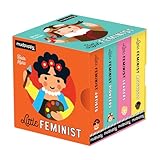
- LEARN ABOUT INSPIRING WOMEN: The books include colorful yet simple illustrations of Maya Angelou, Josephine Baker, Ella Fitzgerald, Cleopatra, Indira Gandhi, Hillary Clinton, Harriet Tubman, Rosa Parks, Amelia Earhart, Billie Jean King, and more
- SMALL & CONVENIENT SIZE: Each book features 8 chunky pages, perfect for even small hands to grasp and manipulate. The books are (4 x 4 x 4) Inches in size, ideal for tossing in a diaper bag or in the stroller for entertainment on the go
- COLORFUL ILLUSTRATIONS: Illustrations by Lydia Ortiz and words by Emily Kleinman introduce children to these important people in history with images that are fun for youngsters and also realistic
- AWARD WINNING BOOKS: The Little Feminist Board Book Set is the winner of the Oppenheim Awards Gold Seal
- SCREEN FREE FUN: For over 25 years, Mudpuppy has created quality non digital puzzles, games and toys for families that facilitate creative play and imaginative thinking. All Mudpuppy products adhere to CPSIA, ASTM, and CE Safety Regulations
Exceptions are limited
The standard schedule for 14- and 15-year-olds is not automatically relaxed by an employer’s needs or a minor’s availability. Federal guidance identifies narrow exceptions tied to specific circumstances or approved programs:
- Approved Work Experience and Career Exploration Program (WECEP): eligible participants may work up to 3 hours on a school day and 23 hours in a school week, including specified work during school hours.
- Work-study and school-attendance circumstances: separate provisions may apply to approved work-study programs or certain minors who have graduated from high school or are exempt from compulsory school attendance.
These are conditional exceptions, not rules for ordinary employment. Confirm program approval, eligibility, and any state requirements with the appropriate school or labor authority before relying on them. Details are in the Department of Labor’s nonagricultural child-labor guidance.
Quick wins for a faster PC:
Scan for outdated or missing drivers - takes under a minuteDriver Scan →Repair Windows errors before they cause bigger problemsFix Now →Fix the driver behind crashes, sound loss and screen glitchesFind Drivers →Rank #3

- Used Book in Good Condition
Check a specific job before accepting a schedule
To determine whether a proposed schedule is lawful, establish all of the facts that affect the applicable rule:
- Confirm the worker’s age.
- Identify the state where the work will take place.
- Determine whether the job is agricultural or nonagricultural.
- Check whether school is in session and which school calendar applies.
- Count daily and weekly hours, including the employer’s workweek.
- Check the start and end times.
- Confirm that the occupation is permitted for the worker’s age and is not prohibited as hazardous.
- Verify any claimed exception and its eligibility requirements.
The Department of Labor describes the purpose of these protections in its Handy Reference Guide to the Fair Labor Standards Act: “The FLSA child labor provisions are designed to protect the educational opportunities of minors and prohibit their employment in jobs and under conditions detrimental to their health or well-being.”
Quick Recap
Product prices and availability are accurate as of the date/time indicated and are subject to change. Any price and availability information displayed on Amazon at the time of purchase will apply.




