There is no single best website for every used-car shopper. Start with listing sites to compare local options, then consider a retailer’s direct online process if convenience matters more than seeing the car first. Whichever route you choose, compare the seller, written out-the-door price, inspection options, delivery costs, and warranty or return terms—not just the headline price.
Which used-car websites should you compare?
Use more than one site to discover cars and compare the same make, model, year, mileage, and location. A listing platform helps you find options; it does not necessarily sell the car or set the terms. A retailer-led online purchase may offer a more managed transaction, but its delivery, test-drive, negotiation, warranty, and return terms still depend on the vehicle and seller.



AutoTrader
AutoTrader’s shopping resources include used-car listings, buying information, fraud-awareness material, and Kelley Blue Book valuation tools. It can be useful for discovery and price research, but the cited help page does not establish that all listings come from the same seller type or that every car can be purchased online.
CarGurus
CarGurus offers used-car search and deal-rating tools. Treat its ratings as the company’s own assessment, not an independently verified verdict about a car’s value or condition. Compare the specific vehicle and seller with listings elsewhere.
Do these 3 things before closing this tab:
1Scan for outdated or missing drivers - takes under a minute2Repair Windows errors before they cause bigger problems3Fix the driver behind crashes, sound loss and screen glitchesCars.com
Cars.com is a marketplace for listings that can include dealers and private sellers. Confirm who is selling a particular car and whether it is still available before you travel or share payment information.
CarMax and Carvana
Retailers such as CarMax and Carvana can appear alongside marketplace listings and may offer a more retailer-led online process. That convenience does not establish that a vehicle is a better deal. Check the seller’s fees, delivery or transfer charges, test-drive options, return policy, and warranty for the specific car.
Choose by what matters most to you
| Priority | What to compare | How to use the sites |
|---|---|---|
| Broad discovery | Listing breadth and local seller mix | Search across multiple sites using the same vehicle criteria, then confirm availability directly with the seller. |
| Price research | Valuation and comparison tools, vehicle condition, and written fees | Use displayed estimates as context. Request an out-the-door quote in writing and account for fees and delivery where applicable. |
| Private-party shopping | Seller identity, access to the car, and inspection arrangements | Arrange to see the car and have an independent mechanic inspect it. Pause if the seller pressures you to pay or skip an inspection. |
| Convenience | Online purchase steps, delivery or transfer charges, and test-drive availability | Check whether you can drive the car before committing and what delivery or transfer will cost. |
| Less negotiation | Price structure, fees, return policy, and warranty | Get terms in writing. A fixed-price or retailer-led process may reduce negotiation, but does not by itself mean better value. |
How to check a used car before you buy
- Confirm the listing and seller. Ask the seller or dealer whether the vehicle is still available and request its out-the-door price in writing, including fees and any delivery or transfer charge.
- Review the paperwork. For a dealer sale, read the Buyers Guide and check whether the car is sold with a warranty or “as is.” Review the actual warranty terms rather than relying on a website summary.
- Check history and recalls. Obtain a vehicle history report and check for open recalls. A report can reveal useful background, but it does not establish the vehicle’s present mechanical condition.
- Arrange an independent inspection. Have a mechanic you choose inspect the vehicle before purchase. The FTC states: “A vehicle history report is not a substitute for an independent vehicle inspection.” See the FTC’s used-car buying guidance.
- Read the final terms before paying. Confirm the total price, delivery or transfer arrangements, warranty coverage, and any return window in writing. Do not assume an online listing or retailer’s general policy covers every vehicle in the same way.
Is the best time to shop in February?
CarGurus reported that, for the week of February 12 in 2024, buyers saved an average of 2.8% and had access to over 6% more listings than in the average week. The company said the figures came from seven years of national weekly average price and inventory data. This is a historical company finding, not a current forecast or a promise of savings for an individual shopper. See CarGurus’ 2024 analysis.
Quick Recap
Rank #3
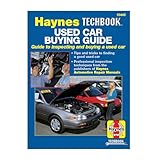
- Step-by-step procedures written from a complete teardown and rebuild, giving you the confidence to tackle repairs at any skill level.
- Over 700+ clear photos and diagrams that simplify complex systems, helping you complete jobs faster and with fewer mistakes.
- Comprehensive troubleshooting and fault-finding guides to quickly diagnose problems and reduce costly downtime.
Product prices and availability are accurate as of the date/time indicated and are subject to change. Any price and availability information displayed on Amazon at the time of purchase will apply.




