Free tools Windows power users keep installed
One-click scans. No signup required.
For a practical U.S. starting point, begin with the Consumer Financial Protection Bureau’s adult financial education collection. It groups free guides, worksheets, videos, and webinars by topic; then use MyMoney.gov and the CFPB’s topic directory to find specialist resources for taxes, student aid, banking, scams, and other decisions.
Start with the financial decision you need to make
The most useful resource is the one that addresses a choice in front of you—not necessarily the one with the broadest curriculum. The CFPB’s adult financial education tools and resources collection is a strong first stop for everyday money questions. It organizes materials for adults by topic and format, including handouts, worksheets, webinars, videos, and guides.
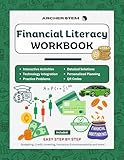


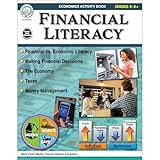
- Budgeting and cash flow: Start with money-management materials to organize income, bills, spending, and goals.
- Credit and borrowing: Look for resources on credit cards, credit reports, and the type of loan you are considering.
- Savings and banking: Use savings and bank-account materials to understand account choices and build a savings plan.
- Housing, cars, or student debt: Choose the matching housing, auto-loan, or student-loan resources rather than relying on general advice.
- Taxes, retirement, scams, or identity theft: Follow the specialist agency links in MyMoney.gov or the CFPB topic directory.
The CFPB says printed publications are no longer available, but downloadable PDFs and print-your-own handouts remain available. Check the collection’s current format and access details before relying on a particular item.
Use federal directories to find specialist help
MyMoney.gov’s federal financial literacy resources and the CFPB’s money topics resource list are navigation tools: they point readers to agencies with deeper material on specific subjects. Examples include FDIC Money Smart, MyCreditUnion.gov, Consumer.gov, the IRS withholding calculator, and Federal Student Aid.
For current national context, MyMoney.gov reports the priorities in the 2026 U.S. National Strategy for Financial Literacy: youth financial capability, digital financial literacy, saving and investing, and scams and fraud education. Those priorities can help educators and families choose a broad learning direction, but an individual reader should still select a resource based on the decision they need to make.
The Office of the Comptroller of the Currency (OCC) defines financial literacy as the skills, knowledge, and tools that help people make financial decisions and take actions toward their goals. It may also be called financial capability, particularly when access to financial products and services is included. Its Financial Literacy Resource Directory offers another way to locate materials, but OCC cautions that the directory is not comprehensive and that inclusion is not an endorsement or an assessment of a resource’s quality or suitability.
Choose resources that fit the learner
For adults learning independently
Use the CFPB collection to select a topic and a format you will actually complete. A short handout may be useful for a specific task; a video or webinar may work better when you want an explanation before making a decision. The collection spans topics including credit, money management, savings and bank accounts, housing, auto loans, student loans, and financial well-being.
For children, families, and educators
The CFPB lists classroom activities, glossary resources, Money Monsters storybooks, Money as You Grow materials, and teaching resources. MyMoney.gov’s NCUA section includes Money Basics guides on budgeting and saving, savings and checking accounts, and credit, along with youth learning games and videos. Choose activities suited to the learner’s age and the concept being taught.
What’s actually slowing this PC down?
Pick the symptom - the matching free tool is one click away.
Rank #3

- Cut-out math manipulatives such as play money
How to compare a resource before using it
- Audience: Is it written for an adult managing their own finances, a young learner, a family, or an educator?
- Topic: Does it cover the exact decision or skill you need, rather than only general money concepts?
- Format and access: Can you use the guide, activity, video, or worksheet in the way you prefer? Check whether it is downloadable or otherwise accessible.
- Currentness: For tax rules, benefits, loans, and other changing subjects, verify details with the responsible agency before acting.
- Fit and credibility: A listing in a directory is a starting point, not a quality rating. Review the resource itself and consider whether its guidance applies to your circumstances.
When books and courses make sense
A book or course can provide an offline or more structured learning path, but it is optional alongside free agency resources. A general recommendation to consider books, seminars, or online and in-person courses does not establish that any specific title or provider is best. Before paying, check the edition or curriculum, instructor qualifications, total cost, and whether the material fits your needs. No particular book or course is assessed here.
Quick Recap
A simple route through the resources
- Write down the question you need to answer, such as how to plan monthly spending, understand a credit report, or compare student-loan options.
- Search the CFPB adult collection for the matching topic and choose a format you can use.
- If the issue is specialized, follow the relevant agency link through MyMoney.gov or the CFPB topic directory.
- For a child or classroom, use the CFPB and NCUA youth-oriented activities and guides.
- Before acting on time-sensitive information, confirm current details with the responsible agency.
Product prices and availability are accurate as of the date/time indicated and are subject to change. Any price and availability information displayed on Amazon at the time of purchase will apply.




