Argentina’s soy-crushing crisis in 2023 was driven by a drought-ravaged crop: the 2022/23 harvest fell to around 20 million tons, leaving processors short of beans and threatening extensive shutdowns. A later squeeze had a different cause—strong Chinese demand for whole soybeans competed with domestic crushers. In a February 2026 outlook, USDA’s Buenos Aires office projected a stronger 2025/26 crop and robust crushing, but those figures are forecasts, not final results.
Why were Argentina’s soy crushers short of beans in 2023?
A historic drought sharply reduced Argentina’s 2022/23 soybean harvest to around 20 million tons, according to Reuters on October 5, 2023. With fewer beans available, processors faced the prospect of running well below capacity while waiting for the next harvest, expected in April 2024.
Gustavo Idigoras, president of the oilseed industry chamber CIARA-CEC, told Reuters, “We are in a disastrous year,” and said, “With those 3 million tons we have to survive until May 2024.” He estimated only about 3 million metric tons might remain to supply crushers until then. Reuters reported that crusher idleness was around 65% at the time and could rise substantially, leaving well over two-thirds of capacity idle.
Imports from neighboring countries helped keep plants operating. Government figures reported by Reuters showed 8.2 million tons of soybean imports through August 2023; Idigoras estimated full-year imports might reach 10 million tons. Paraguay, Bolivia, and Brazil were among the suppliers. Even with those imports, Argentina crushed 19.6 million tons in January–August 2023, 27% less than a year earlier and the lowest total for that period in official records dating back to 2015, according to figures from the Agriculture Ministry reported by Reuters. Reuters, October 5, 2023
Windows Errors? Fix Them Before They Spread
Repair common Windows errors and clear accumulated junk for a smoother, more stable PC - no reinstall needed.Free scan · no reinstallCrashes, No Sound, or Screen Glitches?
Random freezes, missing sound and display glitches usually trace back to one bad driver. Find and replace yours safely.Free scan · under a minute#1 Best Overall
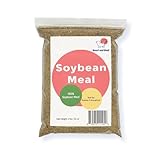
- High Protein Animal Feed: Packed with essential amino acids; ideal for chickens, goats, pigs, and other livestock requiring a plant-based protein source
- Non-GMO Plant-Based Power: Derived from high-quality soybeans; great for custom feed blends or trial use in backyard flocks and small farms
- Supports Growth and Production: Helps promote muscle development, feather quality, and consistent egg-laying cycles in poultry
- Supports Growth and Production: Helps promote muscle development, feather quality, and consistent egg-laying cycles in poultry
- Pure Soybean Meal Only: Finely ground and free from salt, preservatives, or additives; safe for storage and easy to mix with other feed components
Why was the later squeeze different?
By September 2025, the pressure described by Reuters was not another drought-driven crop collapse. Strong Chinese demand for unprocessed soybeans had drawn beans toward export markets and competed with domestic processors for supply. Whole-bean exports from the 2024/25 harvest reached 8.81 million metric tons, a six-year record, according to official data reported by Reuters.
CIARA-CEC put crusher idle capacity at 31% in July 2025 and said it had widened since. Idigoras warned that greater whole-bean exports meant “fewer Argentine jobs and lower export value,” and said, “This trade war has not brought benefits to Argentina; it has brought harm.” The comparison matters: in 2023, the primary shock was a much smaller harvest; in the later episode, export demand competed with local crushers for beans. Reuters, September 2025
Rank #2

- HIGH PROTEIN CONTENT: Provides 47% protein to support healthy growth and development in livestock and wildlife.
- VERSATILE FEED: Suitable for a wide range of animals, including deer, turkey, cattle, hogs, and other wildlife.
- CONVENIENT SIZE: Comes in a 10 lb. bag, making it easy to store, handle, and distribute as needed.
- ATTRACTS WILDLIFE: An excellent feed and attractant for hunting, helping to draw deer and other game to your desired location.
- NUTRIENT-RICH SUPPLEMENT: Can be used as a standalone feed or mixed with other feeds to boost overall protein intake for animals.
What did USDA project for Argentina’s 2025/26 soy balance?
USDA Foreign Agricultural Service (FAS) Buenos Aires’s Oilseeds and Products Update, dated February 25, 2026, projected a 2025/26 soybean crop of 48 million metric tons from 16.5 million hectares planted. It forecast crush of 43 million metric tons, exports of 6 million, and imports of 7 million. These are Post forecasts, not realized totals.
| 2025/26 measure | USDA FAS Buenos Aires forecast, February 25, 2026 |
|---|---|
| Production | 48 million metric tons |
| Area planted | 16.5 million hectares |
| Crush | 43 million metric tons |
| Exports | 6 million metric tons |
| Imports | 7 million metric tons |
USDA said reduced whole-bean exports to China and a return to more traditional trade flows were expected to leave more beans available for domestic crushing. That helps explain why the agency could project strong crush even after reporting export competition in the prior marketing year. USDA FAS Buenos Aires, Oilseeds and Products Update, February 25, 2026
Rank #3

- HIGH PROTEIN CONTENT: Soybean meal provides 45% protein, making it an excellent high-protein supplement for livestock diets.
- VERSATILE USE: Ideal for poultry, swine, and dairy animals as a nutritional supplement to support healthy growth and production.
- FEED SUPPLEMENT: Designed to be used as a supplement and not as a complete feed substitute for your animals.
- QUALITY TEXTURE: Fine, granular meal texture ensures easy mixing into existing feed rations for consistent nutrient distribution.
- ANIMAL USE ONLY: Intended strictly for animal feed purposes and is not for human consumption.
What weather and harvest conditions did the February 2026 report describe?
The USDA report said timely February rain had stabilized crop conditions after January dryness. First-crop yields were largely determined and expected to be strong, but prospects for second-crop soybeans and conditions in some locations remained variable. It identified dry areas in southern Santa Fe and northern Buenos Aires as places with potential second-crop losses. This was the report’s assessment as of February 2026, not a description of conditions everywhere or a final harvest result.
Independent reader supportYour contribution helps us test, update, and keep practical guides available for everyone.How did USDA describe 2024/25 crushing and imports?
For 2024/25, USDA lowered its crush estimate to 42 million metric tons, citing slower farmer selling and reduced bean availability, as well as whole-bean shipments to China. Its report described a seasonal pattern in which crushing typically slows in November and December before Paraguay’s harvest supply arrives, with a ramp-up expected from January. Imports from Paraguay were part of that forecast. USDA FAS Buenos Aires, February 25, 2026
Quick Recap
Best Value

- Green growth and nitrogen provider in the garden, great animal feed.
- Typical N-P-K analysis 6-2-1
- Resealable Bag
- No added chemicals or preservatives!
Rank #4
- HIGH PROTEIN CONTENT: Soybean meal provides 45% protein, making it an excellent high-protein supplement for livestock diets.
- VERSATILE USE: Ideal for poultry, swine, and dairy animals as a nutritional supplement to support healthy growth and production.
- FEED SUPPLEMENT: Designed to be used as a supplement and not as a complete feed substitute for your animals.
- QUALITY TEXTURE: Fine, granular meal texture ensures easy mixing into existing feed rations for consistent nutrient distribution.
- ANIMAL USE ONLY: Intended strictly for animal feed purposes and is not for human consumption.
What the figures do—and do not—show
- Crush and whole-bean exports are different flows. Crushing uses beans as feedstock in Argentina; whole-bean exports ship them abroad without domestic processing. Stronger exports can therefore compete with local crushers for supply.
- Imports can cushion a domestic shortfall. Argentina’s 2023 purchases from Paraguay, Bolivia, and Brazil helped supply plants, but did not prevent a sharp year-on-year fall in crushing.
- Forecasts are not final outcomes. The USDA figures dated February 25, 2026 describe its outlook for marketing year 2025/26; they do not establish the eventual crop or crush totals.
- National estimates mask local variation. The USDA report’s differing assessments of first- and second-crop prospects show why a national production forecast should not be read as a uniform account of field conditions.
Product prices and availability are accurate as of the date/time indicated and are subject to change. Any price and availability information displayed on Amazon at the time of purchase will apply.




