PC Slower Than It Used to Be?
A free scan shows the junk files, broken settings and background clutter dragging Windows down - then fixes them in one click.Free scan · Windows 10 & 11Outdated Drivers Are Slowing You Down
One free scan finds every outdated or missing driver and matches the right update for your exact hardware.Free scan · exact hardware matchYou can improve the odds of making more money from corn and soybeans by managing the farm’s net return—not by chasing yield or adopting a practice that works somewhere else. Start with your own costs and yield history, then evaluate inputs, rotations, marketing and risk using assumptions that fit each field.
No single change guarantees higher profit. Results depend on field productivity, input prices, land arrangements, management, weather, local basis and your tolerance for risk.
1. Build a farm-specific cost-of-production budget
Work out what each crop and field costs before deciding where to cut or spend. A useful budget includes seed, fertilizer, crop protection, fuel, repairs, labor, machinery ownership, crop insurance, interest on operating capital, land and storage where applicable. Include costs paid directly and costs that can be easy to overlook, such as machinery depreciation or the opportunity cost of owned land.
Divide the costs you are analyzing by a realistic yield estimate to calculate cost per bushel. For a simple break-even price, divide total cost per acre by expected saleable bushels per acre; then account for local basis, transportation, storage and any marketing costs that apply to your situation. Keep the assumptions visible so you can update them when prices, yields or input quotes change.
What’s actually slowing this PC down?
Pick the symptom - the matching free tool is one click away.
#1 Best Overall

- High Yield Bush Growth: midori giant edamame seeds form 24-36 inch nitrogen-fixing bushes, rewarding vegetable garden growers in USDA 3-9 with crunchy pods rich in complete protein.
- Fast Germination: soybean seeds for planting sprout in 5-10 days at 70-90 °F, letting home garden beginners harvest tender edamame in just 80 days while heirloom seeds thrive in loamy soil.
- Nutrient-Rich Snack: soy beans deliver sweet nutty flavor and buttery texture; boil or freeze for soy-protein snacks, soy bean seeds to plant are ideal for survival gardening fans seeking clean non gmo edamame.
- Easy Direct Sow: edamame seeds for planting outdoors need 1" depth and 12" spacing, no trellis required; bush habit suits containers or raised beds, making veggie seeds ideal for small spaces.
- Disease-Smart Cultivation: edamame seeds to plant resist common pests when grown in full sun and evenly moist soil; gardening kit growers mulch to conserve water and pick bright green pods before they yellow.
Iowa State University Extension and Outreach’s January 2026 estimates put Iowa corn production costs 4% above its 2025 estimates and soybean costs 2% higher. Those are statewide Iowa planning estimates, not a forecast for an individual farm. The budgets exclude storage, returns to management and profit margins, so they are benchmarks to adapt—not a complete farm-specific break-even calculation.
Use budgets as comparisons, not verdicts
Compare alternatives with the same land, yield, price and cost assumptions. Iowa State’s Ag Decision Maker provides crop budgets, break-even worksheets and a crop rotation analyzer that can help organize those comparisons. Your own records should determine whether the statewide figures are relevant to your operation.
2. Set a realistic yield goal for each field
A yield goal is an input to decisions, not a guarantee. Base it on the field’s yield history, soil productivity and local conditions, and distinguish a typical attainable yield from an unusually good year. A single farm-wide target can obscure meaningful differences among fields.
The goal influences more than the revenue estimate: it can affect crop choice, seeding decisions, nutrient recommendations, cost per bushel and how many bushels you consider for forward marketing. Delaware Extension’s February 2025 fact sheet explains these relationships in its regional context. Use local guidance for your own conditions rather than carrying Delaware examples or recommendations into another region without checking them.
Rank #2

- EASY TO USE 🌱 Just coat your seeds and plant!
- POWERFUL MICROBIAL COMBINATION 🌱 Our Micronoc Seed Inoculant contains a carefully curated blend of nitrogen-fixing bacteria, phosphate solubilizers, and beneficial fungi. This dynamic combination creates a balanced and thriving soil ecosystem, giving your crops the perfect foundation for growth.
- ENHANCED NUTRIENT AVAILABILITY 🌱 By introducing nitrogen-fixing bacteria to your seeds, Micronoc Seed Inoculant unlocks a sustainable source of plant-usable nitrogen. This promotes robust root development, lush foliage, and overall plant vigor.
- Benefits for Seedlings 🌱 Enhances root development and nutrient uptake, boosts seedling vigor and resilience against stress.
- MICRONOC SEED INOCULANT 🌱 Is the perfect choice for all your planting seeds, from house plants to home gardens to field crops; it is compatible with all types of planting seeds.
3. Use soil tests to guide nutrient spending
Use current soil analysis and local recommendations to decide what nutrients to apply. Soil tests help distinguish a field that needs an application from one where additional fertilizer may not pay. For phosphorus and potassium, Delaware Extension ties recommendations to soil sample results and yield goals; the appropriate rate depends on the test, crop and local recommendation.
Neither an ambitious yield target nor a low fertilizer bill is, by itself, a nutrient plan. An unrealistic target can lead to unnecessary applications, while an overly low target can constrain an economically attainable crop. Follow your laboratory’s sampling instructions and your local extension service’s current guidance. A probe or sampling kit only collects a sample; it does not analyze the soil or prescribe a rate.
4. Check seeding rates against field conditions
Seed population has a cost and a potential yield effect, and the right balance depends on environment and management. Review your actual stand and yield history by field, along with seed costs and the conditions that affect establishment. A rate that fits one field or season may not fit another.
Delaware Extension’s February 2025 guidance includes illustrative irrigated and dryland corn population ranges for Delaware conditions. They are not general U.S. prescriptions. Use current local recommendations and compare the expected value of additional seed with its cost rather than increasing or reducing population by habit.
Quick wins for a faster PC:
Fix the driver behind crashes, sound loss and screen glitchesFind Drivers →Repair Windows errors before they cause bigger problemsFix Now →Rank #3

- GROW THE SWEETEST, MOST TENDER HEIRLOOM CORN - 1 packet contains 100 seeds of Golden Bantam corn (Zea mays). This cherished variety is known for its exceptional flavor and reliable harvests. Perfect for home gardeners seeking authentic, time-tested varieties.
- SWEET CORN SEEDS FOR BEGINNERS & PROS. These vegetable seeds for planting outdoors are ideal for all skill levels. Hardy and adaptable, they thrive in full sun and a variety of soils. With low-maintenance care, enjoy growing your own corn seeds from a trusted heirloom variety loved for its sweet, tender kernels.
- PERFECT FOR MOST REGIONS – COOL CLIMATE FRIENDLY. Designed to grow in USDA zones 3-11, these corn seeds are resilient and adapt to temperatures from 65°F to 95°F. Direct sow seeds outdoors for best results—no transplanting needed. Your garden will be filled with tall, healthy stalks reaching up to 6 feet.
- MATURES EARLY FOR QUICK HARVESTS. Enjoy a bountiful crop in just 75-80 days. Each Golden Bantam stalk produces 1-2 ears of corn with 8-12 kernel rows. Perfect for backyard gardens or homesteads, it’s a reliable, fast-growing option to maximize your gardening efforts.
- VERSATILE CULINARY USES – FRESH OR PRESERVED. Grill, boil, or add to recipes like chowder, cornbread, and salsa. These sweet corn seeds yield kernels that freeze, can, or dry well, letting you enjoy homegrown corn all year round. A perfect addition for both fresh meals and long-term storage.
5. Compare rotations over several years
Compare corn-soybean sequences and any plausible alternatives over multiple years, not by looking at one crop’s gross revenue in isolation. Include the costs and returns for every crop in the sequence, field suitability, labor peaks, machinery needs and yield variability. A rotation may affect productivity, nutrient levels and pest cycles, but those effects do not establish a universal profit premium.
USDA Economic Research Service’s overview, updated December 17, 2025, discusses rotations as a way to diversify production risk and manage labor timing, among other reasons farmers choose them. Iowa State’s crop rotation analyzer can support a farm-level comparison. The decision should turn on projected net returns and risk under your conditions, not on the idea that one rotation is always more profitable.
6. Evaluate reduced tillage or strip till with local budgets
Fewer tillage passes may change fuel, labor, machinery and repair costs, as well as soil disturbance. Whether a system improves net returns depends on those savings and costs alongside field and equipment constraints. Compare the full crop budgets for the systems you could actually use, including any equipment ownership or transition costs.
USDA ERS summarizes different tillage choices and their motivations, but does not establish that a particular system raises profit on every farm. Iowa State’s budgets and decision tools can help structure the economic comparison; soil conditions, labor timing and machinery fit still need to be considered for each operation.
Rank #4

- GROW THE SWEETEST, MOST TENDER HEIRLOOM CORN - Each packet contains 100 seeds of Golden Bantam corn (Zea mays). This cherished variety is known for its exceptional flavor and reliable harvests. Perfect for home gardeners seeking authentic, time-tested varieties.
- SWEET CORN SEEDS FOR BEGINNERS & PROS. These vegetable seeds for planting outdoors are ideal for all skill levels. Hardy and adaptable, they thrive in full sun and a variety of soils. With low-maintenance care, enjoy growing your own corn seeds from a trusted heirloom variety loved for its sweet, tender kernels.
- PERFECT FOR MOST REGIONS – COOL CLIMATE FRIENDLY. Designed to grow in USDA zones 3-11, these corn seeds are resilient and adapt to temperatures from 65°F to 95°F. Direct sow seeds outdoors for best results—no transplanting needed. Your garden will be filled with tall, healthy stalks reaching up to 6 feet.
- MATURES EARLY FOR QUICK HARVESTS. Enjoy a bountiful crop in just 75-80 days. Each Golden Bantam stalk produces 1-2 ears of corn with 8-12 kernel rows. Perfect for backyard gardens or homesteads, it’s a reliable, fast-growing option to maximize your gardening efforts.
- VERSATILE CULINARY USES – FRESH OR PRESERVED. Grill, boil, or add to recipes like chowder, cornbread, and salsa. These sweet corn seeds yield kernels that freeze, can, or dry well, letting you enjoy homegrown corn all year round. A perfect addition for both fresh meals and long-term storage.
7. Base marketing decisions on realistic production and break-even estimates
Before forward-contracting grain or using futures or other marketing tools, calculate a break-even price from farm-level costs and a realistic production estimate. Use expected saleable production, not an optimistic yield target, and decide how much production risk the farm can accept before harvest. A price that covers costs on paper can still leave a shortfall if fewer bushels are harvested than expected.
Marketing tools have different terms and risks, so choose them as part of a plan that fits your cost structure, delivery obligations and risk tolerance. The underlying estimate should account for production uncertainty and local basis; a budget is a decision aid, not a prediction of what the market or the weather will do.
Independent reader supportYour contribution helps us test, update, and keep practical guides available for everyone.8. Review market information on a schedule
Set regular times to review market conditions and revisit the plan when relevant information changes, rather than making decisions solely in response to a headline. Nebraska’s market-education resource includes material dated September 29, 2026, covering stocks-to-use, grain stocks, futures and plan adjustments. It also links to WASDE information.
These resources explain market measures; they do not forecast future prices or provide individualized marketing advice. Check current information when making a decision, since grain-market conditions change.
Free tools Windows power users keep installed
One-click scans. No signup required.
Best Value
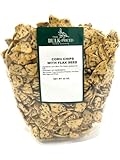
- CORN CHIPS WITH FLAX SEED: The Bulk-Priced Food Shoppe’s corn chips with flax seed are a healthy alternative to potato chips! They are a salty, crunchy snack for anytime. Eat them plain, dip them in salsa or a dip mix, or use them in any trail mix recipe!
- TASTE: These delicious, baked flax chips are made from hearty multigrain and raw flax seeds. Perfect for someone looking for a heart-healthy alternative to snack on. You will be coming back for more!
- FRESHNESS: Freshness of our products are always guaranteed due to in-house packaging. Bulk shipments are delivered weekly to our warehouse for the best possible quality.
- PACKAGING: Packaged and heat-sealed in a state licensed facility to ensure quality and cleanliness. Product comes in a resealable, stand-up bag.
- COUNTRY OF ORIGIN: United States – The Bulk-Priced Food Shoppe buys in bulk so YOU don’t have to! We give our customers the freshest food at the best possible price.
9. Review crop insurance as part of the farm’s risk plan
Consider crop insurance alongside production estimates, marketing commitments and the farm’s capacity to absorb a poor year. Nebraska’s resource includes multi-peril crop insurance education, but it does not identify one best policy for every farm.
Coverage, cost, deadlines and suitability depend on current policy details and the operation. Review the current terms with an appropriate adviser before relying on a coverage level or using expected insured production to support a marketing commitment.
10. Analyze diversification or additional cropping before adding it
Additional crops or double cropping can change whole-farm returns, but they also require suitable climate, soils, equipment, labor and markets. USDA ERS notes that double cropping can add production value from the same field, while rotations can diversify production risk and help manage labor timing. Those possibilities are not proof that an extra crop will pay on a particular farm.
Estimate added revenue alongside seed, nutrient, crop-protection, labor, machinery, land and marketing costs, and consider whether the schedule fits the rest of the operation. Compare the effect over multiple years and include the downside if weather or field conditions prevent the planned crop from reaching harvest.
Put the decisions together
Use one consistent set of farm-specific assumptions to compare changes: realistic yield and variability, variable and machinery costs, land and storage costs, labor and equipment timing, local basis, and relevant soil or pest effects. Start with the fields where the records show the largest gap between expected returns and costs. Change one assumption at a time where possible, so you can see what drives the result.
Quick Recap
Product prices and availability are accurate as of the date/time indicated and are subject to change. Any price and availability information displayed on Amazon at the time of purchase will apply.




