The Tool Desk
Outbyte PC Repair FREEClear out junk files and repair common Windows errorsFree Scan →Outbyte Driver Updater FREEScan for outdated or missing drivers - takes under a minuteDriver Scan →Teamwork matters when people depend on one another to reach a shared goal: it can help them coordinate tasks, exchange knowledge and build supportive work relationships. But putting people in a group is not enough. Results depend on how work is designed, how decisions are made, whether people can speak up, and whether communication and tools fit the job.
Why is teamwork important in the workplace?
Many jobs involve tasks that no one person can complete alone or that require contributions from different people in sequence. In those situations, teamwork gives people a way to coordinate responsibilities, share information and respond when plans change. The European Agency for Safety and Health at Work (EU-OSHA) describes work teams in terms of collective tasks and team members’ ability to regulate how those tasks are carried out. A shared purpose and meaningful coordination—not simply working alongside others—are central to that idea. EU-OSHA’s overview of work teams and psychosocial risks was updated September 30, 2024.
Good working relationships can also support employees’ engagement and innovation. The U.S. Surgeon General’s workplace framework identifies connection, community, trust, collaboration and communication as important aspects of workplace well-being. It recommends clear, consistent communication as a way to build trust; this is guidance about supportive workplaces, not a guarantee that every team will become more productive. The Surgeon General’s Framework for Workplace Mental Health & Well-Being provides the broader recommendations.
Teamwork is a skill, not a productivity guarantee
An Educational Testing Service literature review published in 2017 placed collaborative problem solving among the “top 5 most critical skills” for success in college and the workforce. That ranking synthesized prior literature and employee and workforce surveys; it was not a new poll or a direct measurement of how much teamwork raises workplace productivity. The ETS report explains its evidence base.
Windows Errors? Fix Them Before They Spread
Repair common Windows errors and clear accumulated junk for a smoother, more stable PC - no reinstall needed.Free scan · no reinstallCrashes, No Sound, or Screen Glitches?
Random freezes, missing sound and display glitches usually trace back to one bad driver. Find and replace yours safely.Free scan · under a minute#1 Best Overall
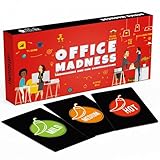
- TEAM BUILDING GAMES FOR WORK: 150 icebreaker question cards that help spark real conversations at business meetings, office lunches, corporate offsites, and retreats, from new hires to executives
- FUNNY CARD GAMES FOR ADULTS: Workplace-friendly humor written for coworkers, these conversation cards for adults help break the ice, get the room laughing, and turn small talk into genuine connection
- 3 LEVELS OF PLAY: Mild, Medium, and Hot decks let you match the mood, start with light get to know you games, move into deeper questions, and dial up the fun as your team gets comfortable
- OFFICE GAMES FOR ANY OCCASION: A go-to pick among office party games and conversation starter cards for team meetings, onboarding, happy hours, holiday parties, and employee engagement activities
- THOUGHTFUL COWORKER GIFT: Packaged in a sturdy giftable box, this conversation game makes a fun choice for team building gifts for employees, work anniversaries, secret santa, and white elephant swaps
There is no single universal effect size establishing that teamwork always improves productivity. Whether it helps depends on the work, the team’s authority and resources, and the quality of coordination.
What makes a good team?
A good team has a shared purpose, understands who is responsible for what, and knows how it will communicate and make decisions. Members also need enough room to exercise judgment and a climate in which they can raise concerns. These conditions are practical supports, not a formula that guarantees success.
Rank #2

- BUILD STRONGER BONDS AND TEAM SPIRIT: Break the ice and inspire meaningful conversation with our Team Building Chips! Designed especially for workplaces, these chips inspire laughter, stories, and shared insights. They’re ideal for fostering collaboration in meetings, work retreats, or casual office settings. There’s something for every team - whether you’re a new team that is just getting to know each other, or an established team that’s ready to delve into deeper conversations.
- 200 PROMPTS, 4 THEMES, 3 LEVELS: This game comes with 100 double sided chips for a total of 200 conversation prompts and endless opportunities for connection! Prompts cover the themes Work & Career, Goals, About You, and Favorites. And the questions are designed to meet everyone’s comfort level, offering a choice of Light, Medium, and Deep prompts.
- THREE WAYS TO PLAY: Enjoy adaptable gameplay with options like Group Sharing, Facilitator’s Choice, or Pick Your Question (see the included instructions booklet for details). Allowing participants to choose what level they feel comfortable sharing at creates an inclusive environment where introverts and extroverts alike can engage in meaningful ways.
- PORTABLE DRAWSTRING BAG: In addition to the sturdy storage box, the game comes with a convenient drawstring bag that makes it easy to transport the chips between meeting rooms or to offsite meetings. Each 2.25” diameter chip is the perfect size to draw out of the bag and read out loud. And the chips are made from thick, matte laminated cardstock to ensure they last for countless years of use!
- FUN AND WORK APPROPRIATE: The 200 thoughtfully curated questions in this game are designed to help coworkers have fun connecting and getting to know each other better. Whether laughing over embarrassing childhood fashion trends, or sharing deeper thoughts on how to grow as a team, you may be surprised at the fun insights and thoughtful discussions that unfold! Suitable for gifting, this game is a great choice for coworkers, teams, managers, and workplace celebrations.
- A clear shared goal: State what the team is trying to accomplish and how members’ work connects to it.
- Defined responsibilities: Clarify ownership, handoffs and where work overlaps so tasks are less likely to be duplicated or missed.
- Agreed decision processes: Decide which choices individuals can make, which require team input, and who resolves disagreements.
- Predictable communication: Set expectations for updates, questions and urgent issues, using channels the team can reliably access.
- Psychological safety: Make it acceptable to ask questions, report mistakes and raise concerns early.
- Workable demands and autonomy: Check that the team has the authority, time and resources needed to do its work without avoidable pressure.
How do trust and psychological safety support collaboration?
Trust helps people share information, depend on one another’s contributions and discuss problems before they grow. Clear, consistent communication can help build trust, while leaders can support it by listening to workers’ concerns and explaining decisions that affect their work.
Psychological safety is the sense that speaking up will not lead to embarrassment or retribution. Harvard Business School professor Amy Edmondson, quoted by the American Psychological Association (APA), describes it this way: “When people have psychological safety at work, they feel comfortable sharing concerns and mistakes without fear of embarrassment or retribution.” The APA’s Work in America 2024 report includes this definition and findings from a U.S. survey fielded March 25 to April 3, 2024. Survey-reported experiences and associations should not be mistaken for proof that any single practice causes a particular outcome.
Do these 3 things before closing this tab:
1Clear out junk files and repair common Windows errors2Fix the driver behind crashes, sound loss and screen glitches3Repair Windows errors before they cause bigger problemsRank #3
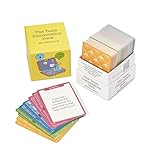
- 100% Work-Safe, Zero Pre-Screening Needed - Every card tested with real teams across all hierarchy levels. No awkward personal questions. No uncomfortable power dynamics. Just meaningful conversations that build trust without crossing professional boundaries.
- 4 Strategic Categories, Choose Your Depth - 160 cards organized by connection level: Light Connection (quick warmups), Deeper Connection (build understanding), Work Connection (strengthen collaboration), Team Connection (develop trust). Color-coded for instant selection.
- Designed for Lasting Impact, Not One-Time Use - Unlike generic decks with recycled content, every question is purpose-built for workplace teams. Deep enough to revisit as your team evolves. Use weekly for years without repetition or eye-rolling.
- Works Anywhere Your Team Meets - Perfect for virtual meetings, in-person workshops, one-on-ones, team offsites, daily standups, or new employee onboarding. Compact box fits in your desk or laptop bag. No facilitator training required.
- Premium Quality for Professional Teams - Durable card stock built for years of use. Standard playing card size (not miniature). From Leader Tools - practical tools for leaders too busy for theory, too smart for generic advice.
For managers, inviting questions, discussing mistakes early and responding constructively can make it easier for employees to share information the team needs. Psychological safety does not mean avoiding disagreement or lowering standards; it means people can raise issues and contribute without fearing personal punishment for speaking up.
Independent reader supportYour contribution helps us test, update, and keep practical guides available for everyone.How should a team choose collaboration tools?
Choose tools around the team’s actual work rather than assuming that adding an app will create collaboration. A tool should help people coordinate tasks, share information or communicate in a way that fits their workflow. The National Academies’ 2025 consensus report on team science emphasizes intentional technology deployment, including accessibility, training and workflow integration. The National Academies’ report, The Science and Practice of Team Science, addresses practices for research teams and virtual or hybrid collaboration.
Rank #4
- BUILD TRUST, BUILD A TEAM: 150 questions to help form closer relationships, better communication and remove personal barriers in teamwork. Pick a card. Take turns answering. Get to know each other. Play on ZOOM calls and keep the team close!
- 6 WAYS TO CONNECT & SPARK DISCUSSION: Our deck of cards is divided in 6 categories to make sure every aspect of life is approached: Personal, Team, Education, Hobby, Future and Scenarios. You can either focus on one category you wish to deepen with the people around you, or mix them all.
- FUN & EFFECTIVE TOOL FOR TEAM ENGAGEMENT: Whether you’re management, HR, or just want to get a stronger relationship with coworkers, friends & family, our card game will help you take things to the next level. Ideal for managers, program directors, facilitators, project directors, team leaders, teachers, instructors, etc.
- TEAM BUILDING ACTIVITIES FOR ALL OCCASIONS: With a practical format, you can play anytime, anywhere. Great for meetings, workshops, retreats and get-togethers; there’s never a bad time to strengthen bonds between coworkers, friends, and family.
- Check that all members can access and use the tool, including people with accessibility needs.
- Provide training when the tool or its workflows are unfamiliar.
- Make sure it fits the team’s existing processes rather than creating unnecessary parallel work.
- Use it to support communication and coordination; do not treat the tool as a substitute for trust, clear roles or psychological safety.
When can teamwork create stress instead of helping?
Teamwork is not automatically supportive. A poorly designed or highly pressurized team can add stress, particularly when people have little control over how they complete tasks or face heavy demands. EU-OSHA’s discussion of team design distinguishes standardized, low-autonomy arrangements from more autonomous, higher-involvement approaches, while noting that psychosocial effects depend on context. Autonomy can help people cope with stress, but changing the team structure alone does not ensure a healthier workload.
Review both the social and practical conditions of the work. A team may need clearer responsibilities if members duplicate effort; a different decision process if input is routinely ignored; or a workload and autonomy review if demands exceed the time and control available. The aim is not more collaboration for its own sake, but a way of working that matches the task and gives people a reasonable chance to contribute effectively.
Quick wins for a faster PC:
Repair Windows errors before they cause bigger problemsFix Now →Fix the driver behind crashes, sound loss and screen glitchesFind Drivers →Quick Recap
Product prices and availability are accurate as of the date/time indicated and are subject to change. Any price and availability information displayed on Amazon at the time of purchase will apply.




