Free tools Windows power users keep installed
One-click scans. No signup required.
An insurance claim is a request for an insurer to pay benefits under a policy for a covered loss, event, or service. Filing starts a review; it does not guarantee that the insurer will cover the loss or pay the amount requested. The policy’s terms determine what is covered, what is excluded, and what you may have to pay.
What an insurance claim means
The National Association of Insurance Commissioners (NAIC) defines a claim as “a request asking your insurer to pay its share of the bill for a covered event or service.” NAIC: How Does Insurance Work?
In practical terms, you or someone acting for you tells the insurer that an event or service may be covered and asks for benefits. The insurer checks the facts against your policy before deciding whether it owes payment and, if so, how much.
A claim is not the same as coverage approval. Coverage depends on the policy’s covered events, exclusions, limits, conditions, and cost-sharing rules. A policy may cover some of a loss while leaving you responsible for a deductible or other costs.
Quick wins for a faster PC:
Clear out junk files and repair common Windows errorsFree Scan →Fix the driver behind crashes, sound loss and screen glitchesFind Drivers →#1 Best Overall
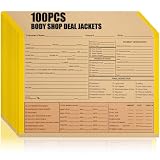
- Pre-printed Professional Templates: these pre-printed deal jackets come with dedicated sections for vehicle info, insurance records, repair status, payment logs and inspection checklists; Made for auto body and collision shops, they streamline daily workflows and boost overall work efficiency
- Standard Letter Size Design: measuring 12" × 9-3/8" with a 1/2" expansion tab, these autobody work order folders fit standard 8.5" x 11" letter documents perfectly; The top-loading design lets you grab repair orders and insurance papers easily, keeping all paperwork neat for filing
- Sturdy and Visible Build: made from heavy-duty kraft paper, these deal jacket envelopes hold up to constant daily use; The bright yellow reinforced edge stands out in busy workshops, letting you locate files fast and prevent lost documents
- Expandable Capacity: equipped with expandable pockets, these dealership deal jackets hold multiple forms and records; The convenient top opening enables quick file access and storage, ideal for high-traffic auto repair shops
- 100 Pack Car Dealer Deal Jackets: this bulk pack of 100 delivers long-lasting supply for repair shops; The uniform layout standardizes shop operations and fully meets official insurance filing requirements
How an insurance claim works
There is no single claims process for every kind of insurance. A typical claim involves reporting the event, providing requested details and evidence, and waiting for the insurer to assess the request under the policy. For auto or property damage, the insurer may have an adjuster inspect or evaluate the loss. The insurer then communicates its coverage and payment decision.
- Report the event or service. Contact the insurer promptly and check your policy for reporting instructions and deadlines. The applicable timing and procedure can depend on your policy and state.
- Submit the claim information. Complete the form or other steps the insurer requests. Depending on the claim, this may include an account of what happened, estimates, receipts, photos, or reports.
- Respond to the review. The insurer reviews the information and policy. For property damage, an adjuster may evaluate the loss; keep records of inspections, conversations, and documents you send.
- Review the decision. Check the insurer’s explanation, including what it determined was covered and how it calculated any payment. Compare that decision with the policy and the evidence you provided.
Who files the claim depends on the insurance
In health insurance, a provider commonly submits the claim to the health plan. You may need to submit one yourself in some situations, such as when a provider does not accept your insurance or when you receive care while traveling. Check your plan’s instructions for what to submit and where. California Department of Insurance: Health insurance basics
Rank #2

- PRE-PRINTED AUTO BODY SHOP FILE JACKETS: Pre printed body shop jackets designed for organizing auto repair orders, collision repair paperwork, service estimates, insurance claim documents, invoices, and work orders in automotive repair shops and dealership service departments.
- LARGE 12 X 9-3/8 INCH WITH 1/2 INCH EXPANSION: Spacious 12 x 9-3/8 inch automotive file folder with 1/2 inch extension accommodates repair estimates, parts lists, technician notes, customer authorization forms, and service department documentation without folding.
- DURABLE 100# BUFF STOCK 8 PT CONSTRUCTION: Manufactured from heavy duty 100 lb buff stock with 8 pt thickness, these body shop file jackets provide sturdy document protection for collision centers, auto repair businesses, mechanical service shops, and dealership service departments.
- ORGANIZED WORKFLOW FOR REPAIR FACILITIES: Designed to support efficient document management in busy auto body shops, these repair order folders help keep service records, inspection reports, labor details, and billing paperwork organized and easily accessible.
- PACK OF 100 FOR HIGH-VOLUME OPERATIONS: Shrink-wrapped pack of 100 heavy duty body shop jackets suitable for high-volume automotive repair shops, collision centers, car dealerships, fleet service departments, and independent auto service businesses.
For auto, homeowners, and renters losses, people often contact their insurer and file their own claims. The NAIC recommends documenting a loss, contacting the insurer, completing requested forms, and supplying supporting evidence. NAIC: How to File a Homeowners Insurance Claim
What to check before filing a property claim
Compare the likely covered loss with your deductible
A deductible is the amount or percentage you pay before the insurer pays its share; the calculation depends on the policy. Before filing a small property loss, check the deductible and consider whether the likely covered repair cost is meaningfully higher. The NAIC advises considering the costs and potential insurance consequences when a loss is close to the deductible. Its auto guidance also notes that the frequency and types of claims can affect premiums and whether an insurer renews a policy, but that does not predict what will happen to any one person’s premium or renewal. Ask your insurer how your circumstances may matter. NAIC: Should I File a Claim?
Rank #3

- PRE-PRINTED AUTO BODY SHOP FILE JACKETS: Pre printed body shop jackets designed for organizing auto repair orders, collision repair paperwork, service estimates, insurance claim documents, invoices, and work orders in automotive repair shops and dealership service departments.
- LARGE 12 X 9-3/8 INCH WITH 1/2 INCH EXPANSION: Spacious 12 x 9-3/8 inch automotive file folder with 1/2 inch extension accommodates repair estimates, parts lists, technician notes, customer authorization forms, and service department documentation without folding.
- DURABLE 100# BUFF STOCK 8 PT CONSTRUCTION: Manufactured from heavy duty 100 lb buff stock with 8 pt thickness, these body shop file jackets provide sturdy document protection for collision centers, auto repair businesses, mechanical service shops, and dealership service departments.
- ORGANIZED WORKFLOW FOR REPAIR FACILITIES: Designed to support efficient document management in busy auto body shops, these repair order folders help keep service records, inspection reports, labor details, and billing paperwork organized and easily accessible.
- PACK OF 100 FOR HIGH-VOLUME OPERATIONS: Shrink-wrapped pack of 100 heavy duty body shop jackets suitable for high-volume automotive repair shops, collision centers, car dealerships, fleet service departments, and independent auto service businesses.
Document the damage and your expenses
For a home or renters loss, take photos or video of the damage and keep relevant receipts, estimates, reports, and communication records. An inventory of your possessions—with descriptions and photos or video—can help you keep track of what was in your home. Save receipts for repairs and new purchases, and store the inventory and supporting documents somewhere safe away from the home. NAIC: Taking an Inventory of Your Home California’s Department of Insurance also offers a paper home inventory guide. California Department of Insurance: Home Inventory Guide
An inventory is a recordkeeping aid, not proof that every item is covered. Your policy’s coverage, limits, exclusions, and proof requirements still apply. You can use a paper or digital record; a paid organizer or notebook is optional.
Rank #4

- PRE-PRINTED AUTO BODY SHOP FILE JACKETS: Pre printed body shop jackets designed for organizing auto repair orders, collision repair paperwork, service estimates, insurance claim documents, invoices, and work orders in automotive repair shops and dealership service departments.
- LARGE 12 X 9-3/8 INCH WITH 1/2 INCH EXPANSION: Spacious 12 x 9-3/8 inch automotive file folder with 1/2 inch extension accommodates repair estimates, parts lists, technician notes, customer authorization forms, and service department documentation without folding.
- DURABLE 100# BUFF STOCK 8 PT CONSTRUCTION: Manufactured from heavy duty 100 lb buff stock with 8 pt thickness, these body shop file jackets provide sturdy document protection for collision centers, auto repair businesses, mechanical service shops, and dealership service departments.
- ORGANIZED WORKFLOW FOR REPAIR FACILITIES: Designed to support efficient document management in busy auto body shops, these repair order folders help keep service records, inspection reports, labor details, and billing paperwork organized and easily accessible.
- PACK OF 100 FOR HIGH-VOLUME OPERATIONS: Shrink-wrapped pack of 100 heavy duty body shop jackets suitable for high-volume automotive repair shops, collision centers, car dealerships, fleet service departments, and independent auto service businesses.
What to do if a claim is denied or the payment seems too low
- Read the explanation and policy. Identify the reason for the denial or the parts of the loss the insurer says it will not pay for, then compare that reasoning with the policy terms and the documents you submitted.
- Ask about the next review step. Contact the insurer to clarify its decision and ask which review, complaint, or appeal process applies to your type of policy. Keep copies of correspondence and a record of calls.
- Use the process that fits the dispute. For a homeowners disagreement about the value of a loss, check whether your policy has an appraisal clause. A public adjuster may be an option in some situations, but may charge fees and is subject to state-specific rules. These property-dispute routes do not automatically apply to health claims.
- Contact your state insurance department if you need help. State regulators can provide consumer assistance. Procedures and rules vary by state, so consult the department for the state relevant to your policy or claim.
For a health claim, follow the appeal information in your plan and the applicable rules rather than assuming a property-claim appraisal process applies. California’s Department of Insurance directs consumers who are dissatisfied with a health plan’s review or decision to consult the policy’s appeal information and contact the department as appropriate. California Department of Insurance: Health insurance basics
Which factors shape your next step?
| Factor | What to check |
|---|---|
| Type of insurance | Whether the claim is for health, auto, homeowners, renters, or another policy; filing roles and review steps differ. |
| Policy terms | Whether the event appears covered, and what exclusions, limits, conditions, and cost-sharing apply. |
| Loss amount and deductible | Whether the likely covered amount meaningfully exceeds your deductible, and whether claim history may matter in your circumstances. |
| Evidence and timing | What records you have and what your policy and state require for reporting or documentation. |
| Disagreement or denial | Which insurer review or appeal process applies, whether an appraisal provision is relevant to a property-value dispute, or whether your state insurance department can assist. |
These procedures and deadlines are not uniform across the United States. Check your policy, contact your insurer promptly, and consult your state insurance department about applicable consumer assistance.
What’s actually slowing this PC down?
Pick the symptom - the matching free tool is one click away.
Quick Recap
Best Value

- HR & Employee Management: Organize employee’s benefits and insurance information in one secure, easy-to-find location with ComplyRight employee benefits and insurance folder; This employee record folder helps document medical, AD&D, disability, dental, primary care physician information, and COBRA compliance data, while ensuring full compliance with federal and state laws
- Recordkeeping Folders for Documents: The ComplyRight benefits and insurance record organizer folder not only assists in keeping employee benefit/insurance records organized for quick and easy access but also allows storing confidential employee benefits and insurance paperwork inside
- Convenient & Confidential File Folder: Used alone or with a ComplyRight employee record organizer, this easy-to-use personnel insurance records folder allows storing legally sensitive employee information safely inside and out of sight; An easy way to track medical, disability, and dental information, as well as pension plans, and 401(k)/403(b) plans
- Packaging/Dimensions: This employee information filing folder comes in a pack of 25 and measures 9-1/2" x 11-3/4"
- ComplyRight Employee Management Folders: ComplyRight strives to free businesses from the burden of tracking and complying with the complex web of federal, state, and local employment laws by providing convenient filing solutions like these folders
Product prices and availability are accurate as of the date/time indicated and are subject to change. Any price and availability information displayed on Amazon at the time of purchase will apply.




