Quick wins for a faster PC:
Repair Windows errors before they cause bigger problemsFix Now →Fix the driver behind crashes, sound loss and screen glitchesFind Drivers →If you miss a credit-card EMI payment in India, the unpaid amount remains part of your card account and may attract charges or be reported as past due. Under Reserve Bank of India rules, an issuer may levy late-payment charges or report the account as past due only after it has remained past due for more than three days from the statement’s due date. The amount charged and what happens to the EMI plan depend on your card terms and the issuer.
What a missed credit-card EMI means
In this article, “EMI” means a credit-card instalment on a card issued in India. The EMI appears on the card statement, and if it is not paid, the missed amount is handled through the issuer’s card billing and overdue process. The RBI rules discussed here are Indian rules; they do not apply to a card issued in another country.


As an Amazon Associate I earn from qualifying purchases.
A missed instalment does not, by itself, establish that the issuer has cancelled the EMI plan, converted the remaining balance, or demanded every future instalment at once. Those outcomes depend on the issuer’s terms for that particular EMI conversion. The RBI rules establish general card-account protections and thresholds, not one universal consequence package for every instalment plan.
Start by reading the latest statement rather than relying on the original EMI schedule alone. It shows the payment due date and should show the total amount due, minimum amount due, instalment and payment instructions. Those figures help establish whether the instalment was missed, how much is overdue, and what amount the issuer requires to bring the account current.
#1 Best Overall

- EASY TO MANAGE - The bill payment tracker notebook is designed to help you stay on top of your financial responsibilities by providing dedicated sections to track bills, payments, due dates, amounts.
- UNIQUE DESIGN - Monthly bill payment tracker inner paper is colorful, This bill payment organizer will help you to track your bill payments through last years. Great for small business owners, personal use or for family expense tracking.
- MANAGE YOUR FINANCES & SUCCEED - Use this bill payment tracker is perfect for your small business or your personal finance, You will be able to easily analyze your financial activities and quickly prepare accurate financial statements.
- HIGH QUALITY - The colorful bill payment tracker spiral notebook size of 5.8" x 8.5", just the perfectly size to fit in your backpack, purse or laptop case. Bill payment tracker monthly organizer is used to high quality 100gsm pure white paper, elastic band and a back pocket for extra space. it comes with 3680 entry lines (29 lines per page), make sure you have enough space to take control of your finances.
- PERFECT FOR - Use monthly bill payment log book for your personal or business finances, improve your productivity with this budget organizer.
What can happen, and when
| Timing or event | What it means |
|---|---|
| By the statement due date | Pay the amount required under your statement and EMI terms. The statement is the starting point for identifying the due date, minimum amount due and instalment. |
| More than three days past due | Under the RBI’s March 7, 2024 amendment, the issuer may levy late-payment or related delay charges, and may report the account as past due. The count begins from the statement due date. Charges apply to the outstanding amount after the due date, not the full bill. RBI, Amendment to the Master Direction on Credit Card and Debit Card Issuance and Conduct Directions, 2022. |
| Before reporting default status to a credit information company (CIC) | The issuer must follow a board-approved process and notify you. If you settle the dues after default has been reported, the issuer must update the status with the CIC within 30 days of settlement, as provided in the same RBI amendment. |
| Minimum amount due unpaid in full within 90 days after the due date | The card account is classified as a non-performing asset (NPA) under the RBI’s credit-card prudential rule. This is a classification threshold, not an extra payment grace period. RBI, Master Circular on Income Recognition, Asset Classification and Provisioning pertaining to Advances. |
The three-day rule is not a promise that you can pay three days late without consequences of any kind. It sets the earliest point at which the issuer may levy the specified late or related delay charges, or report the account as past due, under the cited amendment. Your payment obligation is still tied to the due date, and any interest or other treatment depends on your issuer’s terms.
The 90-day rule refers specifically to the statement’s minimum amount due being unpaid in full within 90 days after the due date. It does not say that every account follows the same collection process for the preceding period, or that paying only the minimum is always an affordable way to manage a balance.
How much might you owe?
There is no single RBI-prescribed late fee or EMI interest figure in the cited materials that applies to every card. The amount depends on the issuer’s published card charges, your statement, and the terms attached to the EMI conversion. Check those documents for the late-payment fee, applicable interest, and any specific treatment of overdue instalments.
What’s actually slowing this PC down?
Pick the symptom - the matching free tool is one click away.
The RBI amendment says late-payment charges and related delay charges are levied on the outstanding amount after the due date, not on the total amount due. That distinction matters if your statement includes several balances or transactions: do not assume the whole statement total is the base for a delay charge. The exact calculation should be confirmed against the issuer’s terms and the current account details.
Rank #3

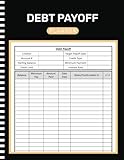
- Comprehensive Debt Management Tool:The debt payoff planner log offers a detailed table design to help users manage debt information comprehensively. Each page includes creditor details, target payoff dates, credit types, starting balances, minimum payments, interest rates, and other key data, ensuring users have a clear overview of each debt. With systematic tracking, users can create effective repayment plans and work towards becoming debt-free.
- High-Quality Materials and Practical Design:Featuring 110 pages of 80gsm high-quality paper with double-sided printing and a sturdy copperplate cover, this debt payoff tracker is both durable and professional. The 8.5 x 11-inch large page size is perfect for desktop use and portable enough to carry around. The spiral-bound design allows the debt payoff planner spiral bound to lay flat at 180 degrees for easy writing, and it works seamlessly with gel pens, ink pens, or pencils without smudging.
- User-Friendly Table Design:The credit card debt payoff planner features a simple and intuitive table layout, making it easy to add entries and track repayment progress. Each page includes columns for dates, starting and ending balances, payment amounts, confirmation numbers, and notes, enabling users to efficiently monitor every payment. This straightforward design simplifies debt management, even for first-time users.
- Versatile Use Cases:Whether for personal debt management, family financial planning, or small business cash flow tracking, the debt snowball planner is a versatile tool. Finance planner is ideal for students, professionals, freelancers, and small business owners, helping them clearly record and track debt in various scenarios. By staying organized, users can better manage their finances and reduce financial stress.
- Improve Credit Scores and Reduce Stress:With systematic debt tracking and repayment planning, the fbill tracker notebook helps users reduce their debt burden and improve credit scores over time. Clear repayment progress and goal-setting features provide peace of mind, empowering users to tackle financial challenges with confidence and work towards financial freedom.
Also distinguish the minimum amount due from the total amount due. Paying the minimum may prevent the minimum-due threshold from remaining unpaid, but it does not necessarily clear the balance or stop interest under your card terms. RBI requires a warning on card bills that making only the minimum payment every month can stretch repayment over months or years with consequential compounded interest on the outstanding balance. That warning concerns the cost of carrying a balance; it is not a statement that every missed EMI triggers an identical interest result.
Will one missed EMI affect your CIBIL score?
It can affect your credit record if the issuer reports the account as past due or in default, but the available RBI rules do not establish a fixed score drop for one missed instalment. CIBIL is a credit information company; the effect on a score depends on the information reported and the scoring process. Do not treat a particular number of points or a guaranteed recovery time as predictable from the fact of one missed payment alone.
There are two different steps to understand. First, the RBI amendment allows past-due reporting only after the account remains overdue for more than three days from the statement due date. Separately, before reporting default status to a CIC, the issuer must follow its board-approved process and notify the cardholder. “Past due” and “default” should not be treated as interchangeable labels.
Do these 3 things before closing this tab:
1Repair Windows errors before they cause bigger problems2Scan for outdated or missing drivers - takes under a minute3Clear out junk files and repair common Windows errorsIf you settle after default status has been reported, the issuer must update the CIC within 30 days of settlement. That is a reporting-update obligation, not a promise that a credit score will immediately return to its prior level. Keep proof of settlement, then check that the account status is updated; if it appears wrong, raise the issue with the issuer and use its grievance process.
Independent reader supportYour contribution helps us test, update, and keep practical guides available for everyone.What to do after missing the due date
- Open your latest card statement. Note the due date, minimum amount due, total amount due, EMI instalment and any overdue amount shown. Check the current statement rather than assuming the original EMI schedule still describes the account.
- Pay as soon as you can through an authorised route. RBI says issuers must list authorised payment modes on their websites and billing statements. Use one of those listed methods and save the transaction confirmation or reference number.
- Contact the issuer through its official channel. Use the number on the card or statement, or the issuer’s official support channel. Ask how the missed instalment is being treated, what fees or interest have accrued, whether the EMI plan remains active, and what exact amount will bring the account current.
- Keep a record of the answer. Save the payment receipt, any message or case number, and the issuer’s explanation of the outstanding amount and EMI status. If you need to follow up, these details help distinguish a processing delay from an unpaid balance.
- Escalate a mismatch or inaccurate report. If you already paid but the issuer still shows an overdue amount, share the payment reference and ask it to investigate. If the reported status appears inaccurate, complain to the issuer and follow its grievance process.
If you cannot pay the full amount immediately, ask the issuer what options it actually offers and what each would mean for fees, interest and the EMI schedule. Do not assume that a partial payment automatically regularises the account or preserves the original plan; get the required amount and any arrangement confirmed directly.
What to verify with the issuer
Before making decisions based on a general online explanation, get answers specific to your card and plan. The issuer’s statement and EMI conversion terms are the controlling details for its fee and plan treatment, while RBI rules set the cited general thresholds and protections.
- Amount currently overdue: Ask for the overdue amount and minimum amount due separately, and clarify what is needed to bring the account current.
- Charges and interest: Ask which fee or interest has accrued, the amount it applies to, and the term or schedule used to calculate it.
- EMI-plan status: Ask whether the conversion remains active and whether the terms specify any change following a missed payment. Do not assume cancellation or acceleration without confirmation.
- Payment route and posting: Confirm that the route is authorised and ask when a payment made through it will be reflected on the card account.
- Credit reporting: If the account has been reported, ask what status was sent, when it was sent, and what the issuer will update after settlement.
How to reduce the chance of another missed payment
Use the statement due date as the payment deadline, and set a calendar reminder early enough to allow time for a payment to post. Keep the statement and confirmation together so you can verify both what was due and what you paid. A simple budget or payment tracker can help organise due dates, but it cannot prevent default by itself or repair credit information already reported.
Free tools Windows power users keep installed
One-click scans. No signup required.
When you make a payment, check the account afterward to confirm it posted and that the overdue balance changed as expected. If the payment is not reflected, contact the issuer promptly with its transaction reference rather than paying a second time without checking whether the first transaction is still processing.
Quick Recap
Product prices and availability are accurate as of the date/time indicated and are subject to change. Any price and availability information displayed on Amazon at the time of purchase will apply.




