The VB-G RAM G Bill is no longer just a proposal: introduced in the Lok Sabha on 16 December 2025, it received presidential assent on 21 December 2025. The enacted law replaces MGNREGA and raises the statutory rural household employment guarantee from 100 to at least 125 days per financial year. It also changes how the work is planned and funded, including a seasonal pause option and state-wise normative allocations.
What happened to the bill?
Union Rural Development Minister Shivraj Singh Chouhan introduced the bill in the Lok Sabha on 16 December 2025. The President assented to it on 21 December 2025. The Government of India says the resulting VB-G RAM G Act replaces the Mahatma Gandhi National Rural Employment Guarantee Act, 2005 (MGNREGA).


At introduction, Chouhan said: “Instead of the earlier 100-day guarantee, we are now offering a 125-day guarantee.” The statement appeared in the Press Information Bureau’s account of his parliamentary remarks on 16 December 2025. That release cited ₹1,51,282 crore in the minister’s remarks; it is not the later FY 2026–27 allocation.
How does the new Act change the employment guarantee?
The VB-G RAM G Act provides at least 125 days of wage employment per financial year for each eligible rural household, compared with MGNREGA’s 100 days. The unit is the household, not each individual worker within it.
#1 Best Overall
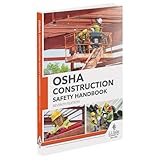
- 2024 OSHA Construction Safety Book is the seventh edition with the new OSHA HazCom final rule on 5/20/24. While the rule takes effect 7/19/24, the compliance dates don’t begin until 1/19/26 per 29 CFR 1910.1200(j).
- Construction Site Book offers quick access to essential OSHA regulations, jobsite hazards, and practical safety tips. It also helps employees identify hazards and prevent injuries and illnesses.
- Features easy-to-read format, full-color images, chapter quizzes with answer key, and comes in a compact size making it a convenient reference for employees.
- Critical topics include Confined Space Entry; Cranes & Derricks; Electrical Safety; Emergency Response; Ergonomics & Back Safety; Excavations; Fall Protection; First Aid & Bloodborne Pathogens; HazCom; Health & Wellness; Jobsite Exposures; Lockout/Tagout; Ladders & Stairways; Materials Handling/Storage; Motor Vehicles; PPE; Scaffolds; Site Safety & Security; Slips, Trips & Falls; Tool Safety; Welding, Cutting & Brazing; and Work Zone Safety.
- Specifications: 5 1/4” x 7 1/4", English, Soft bound. 7th Edition. Copyright 2024.
The Act also allows a State to notify an aggregate pause of up to 60 days in a financial year during peak sowing and harvesting. The Government of India’s summary says the full 125-day guarantee remains for the rest of the year. The pause is therefore a change to when work may be available, not a stated reduction in the annual guarantee.
What changes in funding and allocation?
The Act sets different cost-sharing arrangements by jurisdiction and shifts from demand-driven funding to state-wise normative allocations. Those are distinct changes: a statutory guarantee of work does not itself determine how much funding a State receives under the allocation framework.
Rank #2
| Feature | MGNREGA | VB-G RAM G Act |
|---|---|---|
| Employment days | 100 days per rural household per year | At least 125 days per eligible rural household per financial year |
| Seasonal timing | Not stated in the cited summaries | A State may notify an aggregate pause of up to 60 days in a financial year during peak sowing and harvesting; the Government of India says the full guarantee remains for the rest of the year |
| Allocation approach | Demand-driven | State-wise normative allocations |
| Centre-State sharing | Not stated in the cited summaries | 60:40 for most States; 90:10 for North Eastern and Himalayan States; 100% central funding for Union Territories without legislatures |
| Spending above a State allocation | Not stated in the cited summaries | States bear expenditure beyond their allocation, according to PRS’s legislative summary |
| Work categories and planning | Not stated in the cited summaries | Four themes, with planning through Gram Panchayat plans approved by Gram Sabhas and integrated with national platforms including PM Gati Shakti |
For FY 2026–27, The Indian Express reported an allocation of ₹95,692.31 crore. This is a later budget figure, not the ₹1,51,282 crore cited in the minister’s remarks at the bill’s introduction.
What kinds of work will the Act support?
The Act organizes work under four themes:
- Water security
- Core rural infrastructure
- Livelihood-related infrastructure
- Mitigation of extreme weather events
The Government of India describes planning as beginning with Gram Panchayat plans approved by Gram Sabhas, then being integrated with national platforms including PM Gati Shakti. The stated policy aim is to connect employment with durable rural assets and account for agricultural labour needs. Those aims describe the design; they do not establish what outcomes workers or villages have experienced.
Recommended Free Tools
How are wages and draft implementation rules addressed?
The Act calls for wages to be paid weekly or within 15 days after work is completed, and provides for compensation for delayed payment. The cited Act summaries do not establish a current scheme wage rate.
In a report published on 23 May 2026, The Indian Express said the Ministry of Rural Development had released eight draft rules and invited objections and suggestions within a month. The report described proposed implementation details, not confirmed final rules:
Rank #4

- Vehicle Inspections Handbook provides step-by-step information CMV drivers need to conduct successful pre-trip, en-route, and post-trip inspections, so they can avoid breakdowns, citations, fines, repair bills, and crashes.
- Information is presented graphically within the vehicle safety handbook so that it's easy to find, with call-outs that address real-life situations drivers may experience during inspections.
- Vehicle inspection book features checklists that drivers can use to ensure successful vehicle inspections.
- Major topics covered include: The importance of vehicle inspections; Key regulations; Preparing for inspections; The inspection process; Vehicle inspection reports (DVIRs); Common inspection violations; and more!
- Softbound handbook measures 5.25" x 8.25", has 76 pages, and is written in English. Copyright 2020.
- Renewed MGNREGS job cards verified through e-KYC could be used until new Gramin Rozgar Guarantee Cards were issued.
- Payments and unemployment allowance would be transferred to bank or post-office accounts.
- State allocations could use the Sixteenth Finance Commission’s horizontal devolution formula.
- Some funds could be reserved for performance-related parameters; the report said the reserved share was undecided and that provision would take effect from the following financial year.
As of 8 October 2026, the cited reporting does not establish whether every implementing rule was finally notified. The draft details should not be treated as settled requirements without confirmation of final notification.
Independent reader supportYour contribution helps us test, update, and keep practical guides available for everyone.What is known about the change to unemployment allowance?
The Act summaries cited above do not set out enough detail to establish how the unemployment-allowance entitlement compares with MGNREGA. The May 2026 Indian Express account describes a draft rule for transferring unemployment allowance to bank or post-office accounts, but that is a proposed payment mechanism, not evidence of a finalized change to eligibility or entitlement.
What’s actually slowing this PC down?
Pick the symptom - the matching free tool is one click away.
Best Value

- Used Book in Good Condition
What the change means—and what remains unknown
The enacted law raises the stated annual employment guarantee while changing seasonal scheduling, funding shares, allocation rules and the categories used to plan work. The fiscal design matters alongside the 125-day promise: PRS says States bear spending beyond their normative allocations. That is a change in how employment is financed, not proof that the statutory guarantee has been reduced.
The Government presents the Act as a way to expand employment and create durable rural assets while aligning work with agricultural labour availability. The sources cited here do not establish the Act’s observed effect on employment, wages, assets or State finances through independent evaluation. Nor do they establish a current wage rate or confirm the final status of all rules described as drafts in May 2026.
Quick Recap
Product prices and availability are accurate as of the date/time indicated and are subject to change. Any price and availability information displayed on Amazon at the time of purchase will apply.




