The products and services section explains what your business sells, who it serves, what customers gain, and how the offering can be delivered and developed. Keep the description clear enough for a customer to understand and detailed enough for a lender or investor to assess its place in your business model. Match its depth to the plan: a traditional plan is typically more detailed, while a lean plan can stay high-level. The U.S. Small Business Administration (SBA) identifies “Service or product line” as a traditional-plan section, while noting that businesses can adapt its outline to their needs. SBA: Write your business plan.
What belongs in this section?
Describe the core offer, the customer need it addresses, and the practical details that show how it fits the business. The section should help readers understand the offering and judge whether the plan’s sales and financial projections are coherent. It is not a substitute for the full marketing plan: keep promotion and sales execution details in their own section when your plan has one.



- The offer: Name the principal products or services and explain whether you make, develop, resell, or deliver them when that distinction matters.
- The customer and need: Identify the people or organizations you intend to serve and the problem or need your offer addresses.
- The customer benefit: Explain what the offer does and why that matters, rather than listing features without context.
- Distinctiveness: Give a supportable reason customers might choose you, such as product quality, price position, service experience, selection, or convenience.
- Commercial and operational details: Where relevant, describe pricing logic, delivery or sourcing, the offer’s life-cycle stage, and development plans.
- Consistency with the forecast: Ensure product or service categories correspond to the sales projections and financial assumptions.
The SBA recommends describing what you sell, how it benefits customers, and what the product life cycle looks like. SBA: Write your business plan.
How to describe the offer clearly
Start with a concise description
Open with a plain-language sentence that says what you provide and for whom. For example: “We provide scheduled bookkeeping and monthly financial reports for independent contractors who need help keeping business records current.” This identifies a service, an audience, and a useful outcome without relying on broad claims.
Quick wins for a faster PC:
Fix the driver behind crashes, sound loss and screen glitchesFind Drivers →Repair Windows errors before they cause bigger problemsFix Now →#1 Best Overall
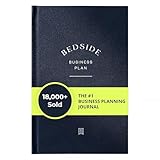
- TURN IDEAS INTO REALITY – Feeling stuck with your idea and not sure where to start? This guided journal helps you write a complete business plan so you can gain clarity and move forward with confidence as an entrepreneur.
- SIMPLE DAILY PRACTICE – 13 guided journaling sections with over 100+ business planning prompts. Make this business planner part of your routine to build momentum and work toward your business goals in just 5 minutes a day.
- BUSINESS PLANNER FOR ENTREPRENEURS – Use this guided journal to define your vision, understand your customers, evaluate competitors, plan expenses, and create a clear roadmap for launching your business.
- PERSONAL GROWTH – Designed as a personal growth workbook to help you reconnect with your purpose, prioritize well-being, and build a business plan centered around meaningful impact.
- PREMIUM ECO-FRIENDLY JOURNAL – Crafted with 100% FSC-certified recycled paper, a recycled cardboard cover, and wrapped in luxurious linen. This entrepreneur planner blends sustainability with thoughtful design.
Then name the main product or service categories. Avoid turning the main narrative into a complete catalog. Group related offerings where that makes the business easier to understand, and use categories that also appear in the sales forecast. A detailed price list, technical specifications, product images, or supporting documents can go in an appendix if readers need them. The SBA’s product-planning guidance recommends a sensible level of detail and grouping products into categories where appropriate. SBA: 5 steps to developing a product or service.
Connect features to customer benefits
For each important category, explain the customer need, the relevant feature, and the benefit that follows. A feature is what the offer includes or does; a benefit is why the customer cares. For instance, scheduled home energy assessments are a service feature, while helping a homeowner identify where heat loss may be occurring is a practical benefit. Do not promise a result the business cannot substantiate or control.
Rank #2
Make customer groups distinct
If you serve more than one kind of customer, identify the groups separately when their needs, offerings, or buying decisions differ. “Small businesses” may be too broad to explain the plan. A clearer description might distinguish local retailers seeking inventory bookkeeping from consultants seeking project-based financial reporting. The SBA advises identifying the consumers, organizations, or businesses the company plans to serve. SBA: Company description.
How to explain what makes the offer different
State a specific, evidence-based reason a customer might choose the business over a relevant alternative. Possible dimensions include quality or performance, price, customer experience, selection, convenience, delivery method, or fit for a particular segment. Choose only the dimensions that matter to your target customer and that you can support.
PC Slower Than It Used to Be?
A free scan shows the junk files, broken settings and background clutter dragging Windows down - then fixes them in one click.Free scan · Windows 10 & 11Crashes, No Sound, or Screen Glitches?
Random freezes, missing sound and display glitches usually trace back to one bad driver. Find and replace yours safely.Free scan · under a minuteAvoid unqualified statements such as “the best,” “the cheapest,” or “unique” unless you can demonstrate exactly what they mean. If you compare competitors, use relevant, verifiable criteria and describe the comparison fairly. A claim such as “same-day repair appointments within the service area” is more useful when the business can document its coverage and capacity than a general claim of superior service.
The SBA identifies product quality, price, customer experience, and relevant certifications as possible sources of competitive advantage. Its marketing guidance also covers target markets, pricing strategy, and promotions; keep the product description focused on the offering rather than repeating the full marketing plan. SBA: Marketing and sales.
Development, sourcing, and intellectual property
Describe the current stage and next milestones
Say whether the offering is already available, in development, being tested, or planned. Include significant research and development work when it affects feasibility, timing, or cost. For future improvements, describe concrete milestones—such as a planned feature, version, or release target—only when the business has a reasonable basis for them. The SBA recommends product road maps that show planned improvements, new features, and versions. SBA: 5 steps to developing a product or service.
Explain sourcing or delivery when it affects feasibility
For physical products, briefly explain important sourcing, manufacturing, or assembly arrangements. For a technology-enabled offering, describe the platform or development approach at a practical level. For a service, clarify how it is delivered if that affects capacity, customer access, or the business’s ability to fulfill projected sales. Keep technical detail proportional to the reader’s needs; supporting specifications can sit in an appendix.
What’s actually slowing this PC down?
Pick the symptom - the matching free tool is one click away.
Report intellectual property accurately
Identify relevant patents, copyrights, trademarks, or trade secrets and state their status precisely. Distinguish an issued right from an application or a plan to apply. Do not suggest that intellectual property automatically guarantees protection from competition or creates a durable advantage. The SBA recommends noting relevant intellectual-property plans and lists patents and other supporting documents as possible appendix materials. SBA: Write your business plan.
Independent reader supportYour contribution helps us test, update, and keep practical guides available for everyone.Pricing, unit economics, and financial projections
Give the pricing approach or a useful price range when it helps the reader assess the business. You do not need to reproduce every price in the narrative. For lenders or investors, connect the offer to projected sales and explain assumptions that materially affect the funding case. The SBA advises linking financial projections to a funding request in a traditional business plan. SBA: Write your business plan.
Where relevant, describe unit economics: the cost to deliver the offering, the customer price, and the resulting margin. Consider differences among delivery channels if they change costs or margins. Do not state a margin as fact unless it is supported by your own cost and pricing assumptions. Keep the product categories in the section aligned with the categories and sales assumptions in the forecast; unexplained mismatches make the business model harder to evaluate. The SBA’s product-planning article discusses unit economics and matching product categories to sales projections. SBA: 5 steps to developing a product or service.
A practical drafting sequence
- Write one sentence naming the offer and its intended customer.
- List the principal product or service categories, then check that they match the sales forecast.
- For each category, explain the customer need, the key features, and the concrete benefit.
- Add a specific reason the offer may be chosen over alternatives, with evidence for any comparison claim.
- Describe the current development stage, material milestones, relevant sourcing or delivery arrangements, and intellectual-property status.
- Include pricing and unit economics at the level needed by the plan’s audience, and reconcile them with the financial projections.
- Move lengthy specifications, price lists, images, patents, licenses, permits, contracts, and other supporting materials to an appendix when useful.
The SBA lists product pictures, patents, licenses, permits, legal documents, and contracts among materials that may belong in a business-plan appendix. SBA: Write your business plan.
Free tools Windows power users keep installed
One-click scans. No signup required.
Quick Recap
Product prices and availability are accurate as of the date/time indicated and are subject to change. Any price and availability information displayed on Amazon at the time of purchase will apply.




