Do these 3 things before closing this tab:
1Clear out junk files and repair common Windows errors2Scan for outdated or missing drivers - takes under a minute3Repair Windows errors before they cause bigger problemsIn a 2025 interview about his memoir, Barry Diller was candid about three subjects: the loss of a shared television experience, the chance encounter that helped him see screens as interactive, and his decision to write openly about his sexuality. These are Diller’s reflections, not neutral measurements of the media industry or independent proof of every event he recalls.
What Diller thinks fragmented media has cost us
Diller told PBS NewsHour that today’s abundance of media options comes with a trade-off. In his view, people have lost a central gathering place where much of the country watched the same program and had something in common to discuss the next day.


“But for that – – for having those options, we kind of give up a kind of central gathering place.”
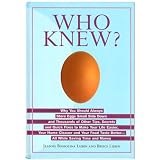
He added, “And that, I think, is a shame.” The qualification matters: this is his judgment about a change in shared culture, not a measured conclusion that all audiences once watched the same shows or that everyone now experiences media in the same way. The interview does not supply audience statistics to quantify the shift. PBS NewsHour’s May 21, 2025 interview presents the comments in the context of his memoir, Who Knew.
#1 Best Overall
How home shopping helped him see interactive screens
Diller described encountering home shopping as an epiphany: television, telephones and computers were being combined, and he recognized that screens could do more than display a one-way broadcast.
“I saw that screens could be interactive.”
He also credited luck and serendipity in describing his path into digital media. That makes the account valuable as a record of how Diller remembers the insight; it should not be mistaken for an independently established history of the technology or the industry. The PBS interview does not provide a technical timeline or outside verification of the episode.
Rank #2
Why he chose to write about his sexuality
Diller said he had not made public declarations about his sexuality, although people around him knew. Looking back, he said he wished he had found the courage to speak openly when it was relevant decades earlier. He connected that choice to writing a memoir truthfully:
“But if I wanted to write this book, I knew I just had to tell my story true.”
Recommended Free Tools
Special offer. See more information about Outbyte and uninstall instructions. Please review EULA and Privacy policy.
His remarks explain his personal reason for including the subject in Who Knew. They are a first-person account of his own decisions and feelings, not a claim that every private person should disclose personal information publicly.
Independent reader supportYour contribution helps us test, update, and keep practical guides available for everyone.What the interview can—and cannot—tell readers
The PBS conversation is a useful source for Diller’s current public reflections on media, technology and memoir. It establishes what he said in that interview; it does not, by itself, settle broader historical or business questions. Treat recollections in the interview and memoir as his account, and look for independent corroboration when evaluating external claims.
An older American Masters archive interview offers historical context about Diller’s earlier public comments on media, politics and privacy. Because it is older, it documents what he said then—not necessarily what he thinks now. The title prompt, “Tell us what you really think, Barry Diller!”, is an editorial framing; the available sources do not verify it as a Diller quotation or as the title of a known interview.
Quick Recap
Best Value
Product prices and availability are accurate as of the date/time indicated and are subject to change. Any price and availability information displayed on Amazon at the time of purchase will apply.
Free tools Windows power users keep installed
One-click scans. No signup required.




