The Tool Desk
Outbyte PC Repair FREEClear out junk files and repair common Windows errorsFree Scan →Outbyte Driver Updater FREEScan for outdated or missing drivers - takes under a minuteDriver Scan →For everyday spending with terms you can compare upfront, a traditional prepaid card is usually easier to evaluate. The Consumer Financial Protection Bureau (CFPB) describes standardized fee disclosures and certain protections for covered prepaid accounts. A stablecoin card may suit you if you already hold stablecoins and want to spend them, but its costs, custody, conversion, redemption and dispute terms depend on the specific provider. Neither label alone tells you which card is safer or cheaper.
What the two kinds of cards are
Traditional prepaid cards
“Prepaid card” covers several products, including general-purpose reloadable cards, payroll cards, government-benefit cards and other prepaid accounts. An open-loop card carries a payment-network logo and can generally be used wherever that network is accepted; a closed-loop card works only at designated merchants or within a particular system. The CFPB notes that “Prepaid cards have different features, functions, and fees.” CFPB: Choose the Right Card for Your Situation
| # | Preview | Product | Price | |
|---|---|---|---|---|
| 1 |
|
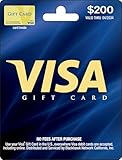
Visa Physical Gift Card $200 (plus $6.95 Purchase Fee) | $206.95 | Buy on Amazon |
| 2 |

|
Visa Virtual eGift Card | $206.95 | Buy on Amazon |
| 3 |

|
Visa Virtual eGift Card | $105.95 | Buy on Amazon |
| 4 |

|
MasterCard Physical Gift Card – $200 (plus $6.95 Purchase Fee) | Buy on Amazon | |
| 5 |

|
Visa Physical Gift Card $100 (plus $5.95 Purchase Fee) | $105.95 | Buy on Amazon |
Stablecoin cards
“Stablecoin card” describes an arrangement, not one standardized account type. A card may connect to a wallet or custodian that holds stablecoins, convert them to fiat currency for a purchase, or use another provider-specific process. The card issuer, wallet or custodian, stablecoin issuer, conversion route and redemption terms can differ. The card’s network logo, if any, does not answer who holds your funds or how you get them back.
How to compare them
| Question | Traditional prepaid card | Stablecoin card |
|---|---|---|
| What should you inspect first? | The fee chart, cardholder agreement, reload options and whether the card is open-loop or closed-loop. | The card agreement and the terms for the card issuer, wallet or custodian, supported stablecoins, conversion and redemption. |
| Are fees and protections standardized? | For covered prepaid accounts, federal rules require upfront fee disclosures and provide certain error-resolution protections. Not every card has the same charges or features. | The sources cited here do not establish a category-wide fee schedule or dispute process. Check the named product’s terms. |
| Who controls the funds? | Funds are held through the prepaid program; whether they qualify for deposit insurance depends on specific legal ownership and recordkeeping conditions. | Custody and control depend on the product. Find out who controls access, whether you control any keys, and what happens if an account is frozen or a service is unavailable. |
| Can you assume FDIC insurance? | No. Coverage is conditional, and protects against failure of the insured bank—not every card or provider problem. | No. Do not treat stablecoin reserves as your own insured bank deposit. A separate card-linked bank account, if one exists, must be assessed on its own terms. |
| What happens when you spend or cash out? | Check how to load the card, withdraw cash and use it at merchants. | Check conversion timing and spread, how stablecoins are redeemed for fiat, supported locations and the process for recovering funds. |
The stablecoin-card column is a product-specific checklist, not a claim that every provider uses the same arrangement. No category-wide comparison of stablecoin-card prices, acceptance or losses is established by the sources cited here.
PC Slower Than It Used to Be?
A free scan shows the junk files, broken settings and background clutter dragging Windows down - then fixes them in one click.Free scan · Windows 10 & 11Crashes, No Sound, or Screen Glitches?
Random freezes, missing sound and display glitches usually trace back to one bad driver. Find and replace yours safely.Free scan · under a minute#1 Best Overall
- Gift Cards are shipped active and ready for use.
- This card is non-reloadable. No cash or ATM access. Funds do not expire. If available funds remain on your card after the valid thru date has passed, please call customer service for a replacement card. A one-time purchase fee applies at the time of checkout. No fees after purchase.
- To access your card information safely, type the complete website address shown on your Gift Card (MyGift.GiftCardMall.com) directly into your browser's address bar. Don't use search engines or shortened versions of the website address, as these may lead you to fake or fraudulent sites. Do not provide any Gift Card details (example: Card Number) to someone you do not know or trust. If you believe you've reached an illegitimate website, contact cardholder service at 1-888-524-1283. Be cautious of phishing sites, there are a variety of scams in which fraudsters try to trick others into paying with gift cards.
- To report your Lost or Stolen Physical Visa Card, call Customer Service 24/7 at 1 (888) 524-1283 to cancel your Gift Card as soon as you can. You will be asked to provide the Gift Card number and other identifying information.
- Use your Visa Gift Card in the U.S. everywhere Visa debit cards are accepted, including online.
Compare the prepaid card’s full cost, not its headline fee
Review the card’s fee chart and estimate a realistic month of your own use. Possible charges include:
- Monthly usage, per-purchase or other transaction fees
- ATM withdrawals and balance inquiries
- Cash reloads, customer service and paper statements
- Inactivity, declined transactions and card-to-card transfers
- Bill payments, stop payments, replacement or additional cards
- Foreign transactions and account cancellation
Not every card charges every fee. A card with no monthly charge can still cost more for your pattern of ATM use, reloads or purchases. The CFPB’s prepaid-card guide explains the range of features and fees to compare.
Rank #2
- Visa Virtual eGift Cards are designed for online use only. Gift Cards are subject to Terms and Conditions: a.co/5bw3qXJ
- When you access your Visa Virtual eGift Card for the first time, you’ll need to register your name, address, phone number, and email address via activationspot.com. These details should also be used as your billing address for online purchases, as many merchants require address verification for purchase authorization.
- This Visa Virtual eGift Card is non-reloadable. No cash or ATM access. Visa Virtual eGift Cards are emailed active.
- Funds do not expire but your Visa Virtual eGift Card has a ‘valid thru’ date (9 years from date of purchase). If funds remain after this date has passed, please call the Toll Free number found on your Visa Virtual eGift Card for a replacement card. A one-time purchase fee applies at the time of checkout.
- This item is not eligible for refund, resale, or return. Available for sale within the United States only. Not available to residents of Puerto Rico, Hawaii, New Mexico, South Dakota, West Virginia and the US Virgin Islands.
Understand protections, registration and deposit insurance
Error resolution is not the same as insurance
Under CFPB rules, registered prepaid accounts, payroll cards and certain government-benefit cards have certain federal error-resolution rights for unauthorized transactions. Registration can affect eligibility for some protections. Network-branded providers may offer additional terms, so check the cardholder agreement for how to report a problem and the applicable deadlines. The CFPB outlines the rules in its prepaid account protections overview and Regulation E and Regulation Z rule.
FDIC coverage is conditional
Prepaid funds may qualify for FDIC deposit insurance only when required records disclose the custodial relationship, identify the actual owners and amounts, and the deposits are legally owned by cardholders. If those requirements are met, the FDIC says coverage is up to $250,000, aggregated with the cardholder’s other funds in the same ownership category at the same insured bank. This is not a per-card guarantee. It applies if the insured bank fails; it does not by itself cover a lost or stolen card or a prepaid provider’s bankruptcy. See the FDIC’s prepaid cards and deposit insurance guidance (last updated May 13, 2020). Registration also matters when a provider offers FDIC or NCUA insurance; verify what the specific account actually offers.
Free tools Windows power users keep installed
One-click scans. No signup required.
Rank #3
- Visa Virtual eGift Cards are designed for online use only. Gift Cards are subject to Terms and Conditions: a.co/5bw3qXJ
- When you access your Visa Virtual eGift Card for the first time, you’ll need to register your name, address, phone number, and email address via activationspot.com. These details should also be used as your billing address for online purchases, as many merchants require address verification for purchase authorization.
- This Visa Virtual eGift Card is non-reloadable. No cash or ATM access. Visa Virtual eGift Cards are emailed active.
- Funds do not expire but your Visa Virtual eGift Card has a ‘valid thru’ date (9 years from date of purchase). If funds remain after this date has passed, please call the Toll Free number found on your Visa Virtual eGift Card for a replacement card. A one-time purchase fee applies at the time of checkout.
- This item is not eligible for refund, resale, or return. Available for sale within the United States only. Not available to residents of Puerto Rico, Hawaii, New Mexico, South Dakota, West Virginia and the US Virgin Islands.
What the 2026 FDIC stablecoin proposal does—and does not—say
On April 7, 2026, the FDIC announced a proposed rule to implement parts of the GENIUS Act for FDIC-supervised permitted payment stablecoin issuers and institutions involved in related activities. The proposal addresses subjects including reserve assets, redemption, capital, risk management and custodial or safekeeping services. In its summary, the FDIC said deposits held as reserves backing a payment stablecoin would not be insured to payment-stablecoin holders on a pass-through basis under the proposal. The materials are a proposal, not a final-rule statement, and concern stablecoin reserve deposits—not every card-linked account or a distinct bank account a card program may use. Read the FDIC’s proposal announcement and notice of proposed rulemaking.
Use this checklist before funding either account
- Price your likely use. For a prepaid card, total the fees that match your normal purchases, reloads, cash withdrawals and foreign transactions. For a stablecoin card, obtain the provider’s fee schedule and identify any conversion spread or redemption charge; if terms do not disclose how a cost is calculated, do not assume it is zero.
- Trace the funds. Identify the card issuer, the entity holding the balance or stablecoins, who controls account access or keys, and which bank—if any—holds cardholder deposits.
- Check spending and cash access. Confirm the payment network and merchant acceptance for the places you use, supported reload and ATM methods, limits, and any geographic restrictions.
- Read the dispute and recovery terms. Find the process and deadlines for unauthorized transactions, errors, a frozen account, a lost card and service outages. For a stablecoin card, also find out whether and how you can redeem stablecoins if card access stops working.
- Verify insurance claims precisely. Ask which institution is insured, whose deposits are covered, what records establish ownership, and what event the coverage protects against. A stablecoin’s reserve backing is not, by itself, proof that your card balance is an insured deposit.
- Save the terms before adding funds. Keep the fee chart, cardholder agreement and relevant wallet or redemption terms, along with the provider’s support contact and steps for locking or replacing a card.
Which should you use?
Choose a traditional prepaid card if your priority is a product whose disclosed fees, reload methods and covered-account protections you can inspect before use. Choose a stablecoin card only if spending stablecoins is useful to you and the specific product clearly explains custody, conversion cost and timing, redemption, geography and dispute handling. If those terms are unclear—or you cannot tell who holds the funds—do not fund it until you have answers. There is not enough product-specific evidence to declare either category universally cheaper or safer.
Quick Recap
Best Value
- Gift Cards are shipped active and ready for use.
- This card is non-reloadable. No cash or ATM access. Funds do not expire. If available funds remain on your card after the valid thru date has passed, please call customer service for a replacement card. A one-time purchase fee applies at the time of checkout. No fees after purchase.
- To access your card information safely, type the complete website address shown on your Gift Card (MyGift.GiftCardMall.com) directly into your browser's address bar. Don't use search engines or shortened versions of the website address, as these may lead you to fake or fraudulent sites. Do not provide any Gift Card details (example: Card Number) to someone you do not know or trust. If you believe you've reached an illegitimate website, contact cardholder service at 1-888-524-1283. Be cautious of phishing sites, there are a variety of scams in which fraudsters try to trick others into paying with gift cards.
- To report your Lost or Stolen Physical Visa Card, call Customer Service 24/7 at 1 (888) 524-1283 to cancel your Gift Card as soon as you can. You will be asked to provide the Gift Card number and other identifying information.
- Use your Visa Gift Card in the U.S. everywhere Visa debit cards are accepted, including online.
Rank #4
- Cards are shipped active and ready for use.
- This card is non-reloadable. No cash or ATM access. Funds do not expire. If available funds remain on your card after the valid thru date has passed, please call customer service for a replacement card. A one-time purchase fee applies at the time of checkout. No fees after purchase.
- Double check if the URL/website is genuine before entering card details online. Do not provide any gift card details (example: claim code) to someone you do not know or trust. There are a variety of scams in which fraudsters try to trick others into paying with gift cards.
- If you believe that your Card has been lost or stolen, notify Mastercard immediately by calling 1-833-791-7288. You will be asked to provide the Gift Card number and other identifying information.
- Use your Mastercard Gift Card in the U.S. everywhere Mastercard debit cards are accepted, including online. Your Amazon.com Balance cannot be used to purchase Mastercard gift cards.
Product prices and availability are accurate as of the date/time indicated and are subject to change. Any price and availability information displayed on Amazon at the time of purchase will apply.




