Free tools Windows power users keep installed
One-click scans. No signup required.
For most people filing an eligible U.S. federal individual return, e-filing is the more practical choice: you get an IRS receipt decision quickly, and an accurate return filed electronically with direct deposit is generally associated with faster refund processing. Mailing is still a valid option when e-filing is unavailable or you prefer paper. Neither method changes the deadline for paying tax you owe.
The figures below concern 2025 federal individual returns filed during the 2026 filing season. State rules and filing-season details can differ or change.




As an Amazon Associate I earn from qualifying purchases.
How e-filing and mailing compare
| Consideration | E-file | Mail a paper return |
|---|---|---|
| Who can use it | Most taxpayers can e-file, but some forms, filing periods, and circumstances are not supported. | Available when e-filing is not supported or when you prefer to file on paper. |
| Confirmation | The IRS generally notifies you within 24 hours whether it received and accepted or rejected the return. | There is no comparable immediate IRS acceptance notice. Keep evidence of timely mailing. |
| Refund status | For 2026 filing-season guidance, the IRS said status updates are generally available around 24 hours after e-filing. | The IRS said status updates for mailed returns generally take six weeks or more to become available. |
| Refund issuance | For complete and accurate returns filed electronically with direct deposit, the IRS says most refunds are issued within 21 days; some take longer. | Paper filing does not guarantee that a refund will be paid by paper check. |
| Cost | Eligible taxpayers may be able to use IRS Free File. Free File Fillable Forms are available regardless of income to people who can prepare their own returns. | You can prepare a return without paid filing software, but postage and optional delivery tracking may cost money. |
| Paying a balance | Payment is separate from filing; plan to pay by the applicable deadline. | You may mail payment, but filing by mail does not extend the payment deadline. |
Refund-status availability is not the same as refund delivery. The IRS timing figures above are general estimates, not promises for an individual return.
Do these 3 things before closing this tab:
1Repair Windows errors before they cause bigger problems2Fix the driver behind crashes, sound loss and screen glitches3Clear out junk files and repair common Windows errorsWhy e-file is usually the better default
The Taxpayer Advocate Service describes electronic filing as generally safer, faster, and more convenient than paper filing. The practical advantage is not only speed: an acceptance or rejection notice tells you whether the IRS received the return in a form it can accept. If a return is rejected, you can often correct the issue and resubmit it.
#1 Best Overall
E-filing is not available for every return or situation. Check current IRS eligibility and supported forms for your particular return rather than assuming that every taxpayer or tax form can be submitted electronically.
When filing by mail makes sense
Paper filing can be appropriate if your return is outside e-file support or you prefer working with paper forms. The Taxpayer Advocate Service identifies examples where paper filing may be required, including certain cases involving a dependent already claimed on another return and filing before or after the e-file season. There are also limitations affecting some forms, prior-year returns, and amended returns; confirm the current rules for your situation.
Mail a federal return carefully
- Prepare and sign the return, and include any required forms and attachments.
- Look up the IRS mailing address for your state and whether you are enclosing a payment. Do not rely on an address intended for a different state or payment situation.
- Mail it by the filing deadline. Under the general timely-mailing rule, a properly addressed return deposited in the mail and postmarked by the due date is generally considered timely.
- Keep a copy of the return and evidence of mailing. The Taxpayer Advocate Service suggests considering certified mail with a return receipt as a way to document mailing and receipt; it is optional, not a filing requirement.
Filing and paying are separate deadlines
For calendar-year taxpayers filing 2025 federal individual returns, the usual filing and payment deadline was April 15, 2026. An extension gives additional time to file, not additional time to pay. If you expect to owe, arrange payment by the original due date even if you plan to file later or send a paper return.
What’s actually slowing this PC down?
Pick the symptom - the matching free tool is one click away.
Check whether free e-filing is available
For the 2026 filing season, IRS Free File guided software was available to taxpayers with 2025 adjusted gross income of $89,000 or less. Participating providers may impose additional eligibility rules, including rules based on age, income, state residency, or military status; some providers include free state returns. Start at the IRS Free File page to find the offer and confirm its terms.
Free File Fillable Forms were available regardless of income to taxpayers comfortable preparing their own federal returns. They are a self-preparation option, not guided tax software.
Choose how to receive a refund separately
Filing format and refund delivery are different choices. The IRS says it is phasing out most paper refund checks, subject to limited exceptions, while continuing to accept returns through existing filing options. It encourages direct deposit and other electronic payment options. Mailing a paper return therefore does not mean your refund will arrive as a paper check.
Independent reader supportYour contribution helps us test, update, and keep practical guides available for everyone.Protect your tax and banking information
- Use an IRS-authorized or IRS-linked filing route, and verify the destination before entering personal, tax, or banking information.
- Check routing and account numbers before submitting a return that requests direct deposit.
- Be alert to tax-related scams. E-filing is generally described as safer, but no filing method should be treated as risk-free.
Bottom line
If your federal return is eligible and you are comfortable filing electronically, e-file is generally the simplest choice. Use paper when your circumstances require it or you prefer it, and take care to address and mail the return correctly. Decide separately how to pay any balance due and how to receive a refund.
Quick Recap
Best Value
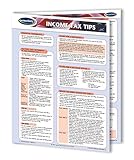
- Quick reference learning guide
- Definitions and glossary of terms
- Tax tips, and everything else you need to know about filing
- Common mistakes, understand audits
- Claiming a dependant and more
Product prices and availability are accurate as of the date/time indicated and are subject to change. Any price and availability information displayed on Amazon at the time of purchase will apply.




