Nebraska’s 2025 soybean production increased to 313.745 million bushels even though planted and harvested acreage declined. The explanation is higher yield: USDA’s annual estimate put it at 65.5 bushels per acre, up from 57.5 in 2024. These three charts use bars rather than pies because acreage, yield and production are different measures—not shares of one common total.
How many soybeans does Nebraska harvest?
USDA’s National Agricultural Statistics Service (NASS) estimated Nebraska’s 2025 soybean crop at 313,745,000 bushels. That is the annual total produced, not the share of a crop harvested by a particular week.
| Year | Production |
|---|---|
| 2024 | 301 million bushels |
| 2025 | 313.745 million bushels |
The 2025 figure is about 4% higher than the 2024 estimate, according to the University of Nebraska–Lincoln’s CropWatch summary of USDA/NASS estimates. USDA’s 2025 Nebraska State Agriculture Overview reports the detailed annual estimate; the prior-year figures appear in USDA/NASS’s 2024 Nebraska Agriculture Overview.
How many acres of soybeans were harvested in Nebraska?
In 2025, Nebraska farmers planted 4.85 million acres of soybeans and harvested 4.79 million acres, according to USDA/NASS. Planted acres count land planted to the crop; harvested acres count land from which a crop was harvested. The 60,000-acre difference is the gap between those two estimates—it does not, by itself, establish why acres were not harvested or prove crop loss.
PC Slower Than It Used to Be?
A free scan shows the junk files, broken settings and background clutter dragging Windows down - then fixes them in one click.Free scan · Windows 10 & 11Crashes, No Sound, or Screen Glitches?
Random freezes, missing sound and display glitches usually trace back to one bad driver. Find and replace yours safely.Free scan · under a minute#1 Best Overall

- Heavy Pod Production: These giant midori soybean seeds produce bushy 20-24 inch plants with over 90% of pods containing 2-3 large beans. A productive soybean seeds for planting variety for home gardens.
- Easy Warm-Season Growing: Edamame seeds for planting germinate in 5-10 days. Sow garden seeds 1" deep after frost for vigorous green bean in full sun. Perfect asian vegetable seeds for planting outdoors.
- Excellent Garden Performance: Midori Giant Edamame is an heirloom, open-pollinated vegetable plants & seeds that grow well in USDA Zones 3-9. Bush soybeans require no staking and thrive in gardens or containers.
- Delicious Harvest: Harvest tender edamame pods in about 80 days while bright green. Steam, boil for 3-4 minutes, stir-fry, or blanch and freeze this flavorful soy beans for later use.
- Naturally Soil Friendly: These non GMO soybean plant seeds help enrich soil by fixing nitrogen after harvest. Leave the roots in place to benefit future crops and improve your home garden naturally.
| Measure | Acres |
|---|---|
| Planted | 4.85 million |
| Harvested | 4.79 million |
The same USDA/NASS annual estimates show 5.30 million planted acres and 5.24 million harvested acres in 2024. CropWatch reports that both planted and harvested acreage fell 9% in 2025. These figures describe area, not the progress of harvest during the season.
What was Nebraska’s soybean yield in 2025?
Nebraska’s estimated average soybean yield in 2025 was 65.5 bushels per acre. In 2024, the estimate was 57.5 bushels per acre. Yield measures output per acre, so it can rise even when the total acreage being harvested falls.
Rank #2
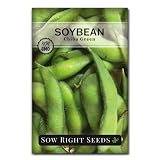
- Productive - Chiba Green Soybean germinates in 10-14 days when soil temps are 65-75°F. Plant 1” deep and space 4-6” apart in an area with full sun. This variety will grow 1-3’ tall with a spread of 12-16”. Beans will mature in 65-75 days, plant in USDA zones 3-10.
- Good Eats - Harvest when pods are green and enjoy edamame or allow the pods to dry and shell to eat them boiled or steamed.
- Easy to Grow - Instructions included on each packet. Plus, we are available to answer all your questions. If these seeds don’t germinate, we will happily make it right for you.
- Safe and Sustainable - Our operation is fully solar powered, and Sow Right Seeds has taken the Safe Seed Pledge to sell only fresh Non-GMO heirloom seeds for you and your family.
| Year | Average yield |
|---|---|
| 2024 | 57.5 bushels per acre |
| 2025 | 65.5 bushels per acre |
CropWatch’s January 12, 2026 summary describes the year-over-year increase as 8 bushels per acre. The higher yield explains how annual production could rise while planted and harvested acreage declined: each harvested acre produced more on average.
Why these are bar charts, not pie charts
A pie chart is appropriate when its slices are mutually exclusive parts of one whole—for example, condition categories that together account for 100% of a crop. Planted acres, harvested acres, yield and production do not form such a set of shares. They are different measures, and comparing values across years is clearer in paired bars or a table. Treating the three measures as pie slices would imply a common denominator that these figures do not provide.
Quick wins for a faster PC:
Repair Windows errors before they cause bigger problemsFix Now →Fix the driver behind crashes, sound loss and screen glitchesFind Drivers →Rank #3

- High Yield Bush Growth: midori giant edamame seeds form 24-36 inch nitrogen-fixing bushes, rewarding vegetable garden growers in USDA 3-9 with crunchy pods rich in complete protein.
- Fast Germination: soybean seeds for planting sprout in 5-10 days at 70-90 °F, letting home garden beginners harvest tender edamame in just 80 days while heirloom seeds thrive in loamy soil.
- Nutrient-Rich Snack: soy beans deliver sweet nutty flavor and buttery texture; boil or freeze for soy-protein snacks, soy bean seeds to plant are ideal for survival gardening fans seeking clean non gmo edamame.
- Easy Direct Sow: edamame seeds for planting outdoors need 1" depth and 12" spacing, no trellis required; bush habit suits containers or raised beds, making veggie seeds ideal for small spaces.
- Disease-Smart Cultivation: edamame seeds to plant resist common pests when grown in full sun and evenly moist soil; gardening kit growers mulch to conserve water and pick bright green pods before they yellow.
There is also a difference between annual harvest totals and seasonal harvest progress. Annual production estimates answer how much was produced over the year; a progress percentage answers how much of a crop had been harvested by a specified reporting date. USDA/NASS explains that its Crop Progress percentages show cumulative progress at key stages and match the published values. Its charts use separate line styles for the current year, prior year and five-year average. A weekly progress figure therefore needs its crop, location and reporting week clearly identified; it should not be substituted for the annual production total.
Independent reader supportYour contribution helps us test, update, and keep practical guides available for everyone.What the crop’s reported value means
USDA/NASS reported a 2025 value of production of $3,121,763,000, based on a reported annual price of $10.1 per bushel. These are annual economic estimates, not a live Nebraska cash price or a quote for a particular sale. The value is useful context for the scale of the crop, but it is distinct from acreage, yield and bushels produced.
Quick Recap
Best Value

- Beautiful - Large full-color packet of Karikachi Soybean (Glycine max) seeds. These tall, upright plants reaching up to 30" tall will keep producing all season long, ensuring a bountiful harvest with lush, vibrant soybeans that flourish in your garden and provide a reliable source of garden edamame. Deliciously sweet, nutty flavored beans that can be grown in a spacious backyard or a compact balcony. Minimum of 13g per packet (about 35 seeds).
- Productive - Karikachi Soybean germinates in 7-14 days when soil temps are 65-75°F. Plant 1” deep and space 6-8” apart in an area with full sun. This variety will grow 24-30” tall with a spread of 15-30”. Beans will mature in 70-90 days, plant in USDA zones 3-9.
- Good Eats - Harvest when pods are green and enjoy edamame or allow the pods to dry and shell to eat them boiled or steamed. Enjoy a delightful and healthy snack that's packed with protein and essential nutrients for you and your family.
- Easy to Grow - Instructions included on each packet. Plus, we are available to answer all your questions. If these seeds don’t germinate, we will happily make it right for you.
- Safe and Sustainable - Our operation is fully solar powered, and Sow Right Seeds has taken the Safe Seed Pledge to sell only fresh Non-GMO heirloom seeds for you and your family.
Rank #4

- High Yield Bush Growth: midori giant edamame seeds form 24-36 inch nitrogen-fixing bushes, rewarding vegetable garden growers in USDA 3-9 with crunchy pods rich in complete protein.
- Fast Germination: soybean seeds for planting sprout in 5-10 days at 70-90 °F, letting home garden beginners harvest tender edamame in just 80 days while heirloom seeds thrive in loamy soil.
- Nutrient-Rich Snack: soy beans deliver sweet nutty flavor and buttery texture; boil or freeze for soy-protein snacks, soy bean seeds to plant are ideal for survival gardening fans seeking clean non gmo edamame.
- Easy Direct Sow: edamame seeds for planting outdoors need 1" depth and 12" spacing, no trellis required; bush habit suits containers or raised beds, making veggie seeds ideal for small spaces.
- Disease-Smart Cultivation: edamame seeds to plant resist common pests when grown in full sun and evenly moist soil; gardening kit growers mulch to conserve water and pick bright green pods before they yellow.
Product prices and availability are accurate as of the date/time indicated and are subject to change. Any price and availability information displayed on Amazon at the time of purchase will apply.




