The Tool Desk
Outbyte PC Repair FREEClear out junk files and repair common Windows errorsFree Scan →Outbyte Driver Updater FREEScan for outdated or missing drivers - takes under a minuteDriver Scan →Microsoft confirmed a Mixed Reality restructuring in early June 2024 and said it would keep selling HoloLens 2 and remain committed to the U.S. Army’s IVAS program. Separate reports said cuts also affected specialized Azure teams, but Microsoft did not publish a complete headcount. Estimates ranged from roughly 1,000 jobs across Microsoft to as many as 1,500 in two Azure-related groups, with the larger figure disputed.
What happened in June 2024?
Reports of job cuts surfaced June 3, 2024. Microsoft confirmed organizational and workforce changes in its Mixed Reality organization. Reporting also identified Azure for Operators and Mission Engineering, both associated with Microsoft’s Strategic Missions and Technologies organization, as affected. The cuts were part of a broader restructuring, not a publicly itemized company-wide layoff announcement. CNBC reported Microsoft’s confirmation and its statements about Mixed Reality; GeekWire described the reported scope across teams.
How many employees were affected?
There was no official, detailed count by organization. The figures in coverage were estimates, not a verified Microsoft tally:
| Reported figure | What it referred to | How to read it |
|---|---|---|
| As many as 1,500 | Azure for Operators and Mission Engineering, according to an estimate attributed to a Business Insider source and reported by CRN. | An initial estimate, not an official count. CRN reported the estimate. |
| Approximately 1,000 | Reported cuts across multiple Microsoft organizations. | A secondary estimate from GeekWire; The Register said the 1,500 figure appeared inflated. Neither figure was confirmed as the final total by Microsoft. GeekWire; The Register. |
| Official division-by-division total | Not stated by Microsoft in the cited public announcement. | The public confirmation addressed restructuring, not a complete headcount breakdown. |
It is therefore inaccurate to present 1,500 as the confirmed number of Azure layoffs, or to treat roughly 1,000 as an official company total.
#1 Best Overall
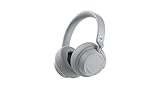
- Spectacular Omnisonic sound wraps you in your favorite music, shows, and more.
- On-ear dials let you adjust volume or keep it quiet with 13 levels of active noise cancellation.
- Soft, over-ear pads are breathable, lightweight and comfortable.
- Intuitive touch controls let you skip tracks, answer/end calls, and get hands-free assistance.
- Power through your day with up to 18.5 hours of music listening time[2] or up to 15 hours of voice calling on Microsoft Teams[4]. And, listen to almost an hour of music with just a 5-minute charge
Which teams were affected?
Azure for Operators
Azure for Operators focused on telecommunications and operator customers, including specialized cloud and network services. Reports placed affected employees in this group; that is narrower than saying Microsoft cut jobs across the whole Azure business. Network World covered the reported Azure-related cuts.
Mission Engineering
Mission Engineering was part of Strategic Missions and Technologies, an organization associated with specialized and emerging-technology work, including government, space and quantum initiatives. Reports identified the team as affected, but did not establish a complete staffing breakdown. The Information reported cuts in cloud and Mixed Reality groups.
Rank #2
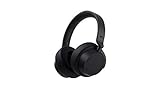
- Spectacular Omnisonic sound wraps you in your favorite music, shows, and more.Control Type:Touch
- Power through your day with up to 18.5 hours of music listening time [2] or up to 15 hours of voice calling on Microsoft Teams [4]. And, listen to almost an hour of music with just a 5-minute charge
- Soft, over-ear pads are breathable, lightweight and comfortable.
- Intuitive touch controls let you skip tracks, answer/end calls, and get hands-free assistance.
- Full charge now lasts up to 20 hours [2]. Listen to almost an hour of music with a 5-minute charge.
Mixed Reality
Microsoft confirmed restructuring and layoffs in its Mixed Reality organization, which included work spanning HoloLens, augmented and virtual reality, and related enterprise hardware and software. The confirmation did not mean every product or customer program in the organization was ending.
What did the changes mean for Azure products?
CRN, citing Business Insider’s reporting on an internal communication, said Microsoft was redirecting resources toward AI and halting previews for Azure Operator 5G Core and Azure Operator Call Protection. It also reported that Azure Operator Nexus employees would move into the Cloud + AI organization’s Azure Edge and Platform product line. These were reported roadmap and organizational changes; they do not establish that Azure as a whole was being shut down or that every affected product was permanently canceled. CRN’s report describes the reported changes.
Rank #3

- Comfortable on-ear design with lightweight, padded earcups for all-day wear.
- Background noise-reducing microphone.
- High-quality stereo speakers optimized for voice.
- Mute control with status light. Easily see, at a glance, whether you can be heard or not.
- Convenient call controls, including mute, volume, and the Teams button, are in-line and easy to reach.
Was Microsoft ending HoloLens 2 or IVAS?
No immediate HoloLens 2 cancellation was announced. Microsoft said it would continue selling HoloLens 2, supporting existing customers and partners, and investing in Windows 365 for the broader mixed-reality hardware ecosystem. It also reaffirmed its commitment to the U.S. Army’s Integrated Visual Augmentation System, or IVAS, an augmented-reality program intended to support soldiers. CNBC reported Microsoft’s position on HoloLens 2, Windows 365 and IVAS.
That statement establishes continued company support and commitment, not that IVAS staffing, delivery schedules or all Mixed Reality work remained unchanged. The clearest distinction is between a restructuring of commercial and broader Mixed Reality work and the specific HoloLens 2 customer support and defense commitment Microsoft said it would maintain.
Rank #4

- Designed exclusively for Microsoft Surface - Built in collaboration with Microsoft for exceptional quality, form, and function.
- All-Day Ergonomic Comfort - Over-ear design with cooling-gel infused memory foam earpads covered in breathable heat transferring fabric, adjustable leatherette headband, a rotating microphone (up to 270°) that can be worn on the right or left side, and rotating joints that allow the earcups to swivel up to 90° for a comfortable, secure ft.
- Universal Device Compatibility - Compatible with popular calling applications (Microsoft Teams, Zoom, and more), operating systems (Windows, macOS, and Chrome OS), mobile devices (iOS and Android), and voice assistants (Siri and Google Assistant).
- Industry Leading Battery Life - Provides 60+ hours for music and 40+ hours for calls.* Rapid Charge Technology provides 8 hours of use after only 15 minutes of charging, allowing you to use your headset while connected to power, and provides a full battery after 90 minutes-enabling you to stay productive all day long. *With busy lights off, battery life varies by use.
- Passive Noise Cancellation, Productivity, and Safety Features - Passive noise cancellation (PNC) technology allows you to stay focused by reducing surrounding noise, convenient fip-to-mute boom microphone supports quick muting needs, and built-in hearing protection shields your ears from sounds above 100dBA.
Why were the cuts made?
Microsoft’s public explanation was general: organizational and workforce adjustments were a regular part of managing the business, alongside investment in strategic growth areas. Reporting about an internal explanation connected the changes to increased AI investment and revised priorities for specialized Azure Operator products. That account is more specific than Microsoft’s public statement, so it should be treated as attributed reporting rather than a complete official explanation.
The most defensible interpretation is that Microsoft was reprioritizing teams and investment. The available information does not show that every affected role was eliminated to fund AI, or that AI was the sole cause.
Do these 3 things before closing this tab:
1Repair Windows errors before they cause bigger problems2Scan for outdated or missing drivers - takes under a minute3Clear out junk files and repair common Windows errorsBest Value

- Hear crisp, clear audio. Omnisonic Audio wraps you in your favorite music, shows, and more
- Lightweight, breathable, and a comfortable size you can wear for a full day of travel or at the office. Noise cancellation Up to 30 dB for active noise cancellation, Up to 40 dB for passive noise cancellation
- Your built in assistant can do it for you. Just ask Microsoft Cortana to play your favorite artist, set a reminder, make a call, get answers to questions, and more. Compatibility Windows 10, iOS, Android, MacOS
- Use your voice and simple, intuitive controls to adjust the volume, skip tracks, mute your mic, or hang up calls. Audio pauses when you take your headphones off , USB cord length 1.5 meter , Audio cable length 1.2 meter. Sound pressure level output - Up to 115 dB (1kHz, 1Vrms via cable connector with power on). Up to 115 dB (1kHz, 0dBFS over Bluetooth connection)
- Keep it quiet with active noise cancellation you can adjust with an easy on ear dial. Or, turn it all the way down to better hear conversations without removing headphones. Frequency response:20 20 kHz
How do the cuts fit with Azure’s growth?
Microsoft reported that Azure and other cloud services revenue grew 29% year over year, or 30% in constant currency, in the quarter ended June 30, 2024. That result shows the reported layoffs occurred while the broader cloud business was growing; it does not establish the performance of each specialized product or team. Microsoft’s fiscal fourth-quarter 2024 results give the growth figures.
A growing division can still reduce or reorganize particular teams as management shifts resources among products, customer segments and priorities. In this case, the reports concerned specialized operator, mission-engineering and Mixed Reality work—not a broad retreat from Azure.
How large was Microsoft’s workforce?
Microsoft’s fiscal 2024 Form 10-K reported 228,000 full-time employees as of June 30, 2024: 126,000 in the United States and 102,000 internationally. The filing also listed 86,000 in operations, 81,000 in product research and development, 45,000 in sales and marketing, and 16,000 in general and administration. The SEC-hosted filing provides the company’s workforce figures.
Because the number of employees affected by the June restructuring was not officially established, comparing an estimated layoff count with total company headcount would create a misleadingly precise percentage.
Recommended Free Tools
What remains unclear?
- The final number of Azure for Operators, Mission Engineering and Mixed Reality employees affected.
- How many employees were terminated, reassigned or transferred to other teams.
- Whether the reported pauses to Azure Operator previews became permanent cancellations.
- What staffing or schedule changes, if any, accompanied Microsoft’s continued IVAS commitment.
The available public statements and reporting do not settle those details.
Quick Recap
Product prices and availability are accurate as of the date/time indicated and are subject to change. Any price and availability information displayed on Amazon at the time of purchase will apply.




