What’s actually slowing this PC down?
Pick the symptom - the matching free tool is one click away.
For some beneficiaries, December stands out because the payment calendar compresses two deposits into a single month. This pattern is driven entirely by how the Social Security Administration schedules payments around weekends and federal holidays. The result can look like a bonus, but it is strictly a timing shift.
The role of the calendar, not a benefit increase
Social Security–related payments are issued on fixed dates, but those dates move when they fall on a nonbusiness day. When a scheduled payment date lands on a weekend or federal holiday, the payment is issued on the preceding business day. In certain years, this adjustment causes a January payment to arrive in late December.
Why Supplemental Security Income is most affected
Supplemental Security Income, commonly called SSI, is a needs-based program for individuals who are aged, blind, or disabled with limited income and assets. SSI benefits are normally paid on the first day of each month. If January 1 is a weekend or holiday, the January SSI payment is issued in late December, resulting in two SSI payments during December and none during January.
How Social Security retirement and disability benefits fit in
Social Security retirement, survivor, and disability benefits follow a different schedule, typically based on the beneficiary’s birth date and paid on specific Wednesdays of the month. These benefits are usually paid once per month, even in December. However, individuals who receive both Social Security and SSI may see two separate deposits in December, one from each program.
#1 Best Overall

- THE ULTIMATE DIGITAL CALENDAR: Meet Skylight’s 15.4” touchscreen wall planner—a premium hub built for busy families. This central display combines shared schedules with an interactive digital chore chart to seamlessly keep everyone in sync. Assign colors, add events, and bring order to a frantic routine, all designed for 2026 and beyond.
- EVERYTHING AT A GLANCE WITH SEAMLESS SYNCING: This electronic calendar connects to Wi-Fi in minutes and syncs effortlessly with Google, iCloud, Outlook, Cozi, and Yahoo. It keeps daily schedules and family events perfectly readable at a glance, allowing anyone to add updates directly on the device or via the app.
- CUSTOMIZABLE DESIGN: Features a sleek, HD smart display that mounts easily to any wall or sits beautifully on a kitchen countertop, hallway table, or home office desk. Whether used as a standalone display or a permanent electronic wall calendar, it fits naturally into your layout and your family's daily spaces.
- INTERACTIVE CHORE CHART + MEAL PLANNING: Build habits with personalized chores and encourage independence. This digital wall calendar also displays weekly meal plans to reduce the daily stress of "what's for dinner?" and keep routines consistent.
- STAY CONNECTED ANYWHERE: This digital calendar wall touch screen keeps the whole household on track with shared Calendars, Tasks, and Lists, plus on-the-go access via the Skylight touchscreen app. The optional premium Plus Plan unlocks Magic Import, a photo screensaver for favorite family memories, and stars & rewards.
Why this matters for cash flow planning
The key point is that two December payments do not represent extra income for the year. One of those payments is simply January’s benefit arriving early. Beneficiaries who rely on monthly payments to cover essential expenses must plan for a longer gap before the next deposit, particularly in January when no SSI payment will be issued.
Social Security vs. SSI: Which Program Actually Pays Twice in December
Understanding which program produces two December payments requires separating Social Security benefits from Supplemental Security Income. Although both are administered by the Social Security Administration, they operate under different legal authorities and payment schedules. Only one program consistently creates the appearance of being “paid twice” in December.
SSI is the program that typically generates two December payments
Supplemental Security Income, or SSI, is paid on the first calendar day of each month. When the first day of January falls on a weekend or a federal holiday, the January SSI payment is advanced to the last business day of December. In those years, SSI recipients receive one payment in early December and a second payment in late December.
This does not increase annual income. The late-December payment is the January benefit paid early, which is why no SSI payment is issued during the month of January itself.
Quick wins for a faster PC:
Clear out junk files and repair common Windows errorsFree Scan →Scan for outdated or missing drivers - takes under a minuteDriver Scan →Repair Windows errors before they cause bigger problemsFix Now →Social Security benefits generally do not pay twice in December
Social Security retirement, survivor, and disability benefits follow a staggered schedule based primarily on the beneficiary’s date of birth. Payments are issued on specific Wednesdays throughout the month, or on the third day of the month for certain long-term beneficiaries. Even when payment dates shift due to holidays, Social Security benefits are still paid once per month.
As a result, most Social Security beneficiaries receive only one Social Security payment in December. The calendar adjustment that affects SSI does not typically produce a second Social Security payment in the same month.
Why some people see two deposits anyway
Confusion often arises because some individuals receive benefits from both programs. A person who receives Social Security and SSI may see a regular Social Security payment and an early SSI payment in December. These deposits come from separate programs and represent different months of entitlement.
This distinction is critical for budgeting purposes. While the bank statement shows two deposits in December, total benefits across December and January remain unchanged.
Cash flow implications heading into January
The practical effect of two December payments is a longer gap before the next deposit. SSI recipients, in particular, must account for the absence of a January payment because that benefit was already issued in December. Treating the second December payment as extra income can lead to cash shortages later in the winter.
For near-retirees and current beneficiaries, recognizing which program drives the double-payment effect helps prevent misinterpretation of income and supports more accurate month-by-month cash flow planning.
Exact December Payment Dates: A Clear Breakdown by Benefit Type
Understanding whether two December deposits will occur requires separating benefit programs and applying their distinct payment rules. The appearance of an extra payment is driven by calendar mechanics, not by a change in benefit amounts. The breakdown below clarifies when December payments are issued and which beneficiaries are affected.
Supplemental Security Income (SSI)
SSI is normally paid on the first day of each month. When the first day of January falls on a weekend or a federal holiday, the January SSI payment is issued early, on the last business day of December. In those years, SSI recipients receive one payment on December 1 for December benefits and a second payment in late December for January benefits.
Recommended Free Tools
This structure explains why no SSI payment is issued during January in those years. The January benefit has already been paid, even though it appears on a December bank statement. Total annual SSI income remains unchanged.
Social Security retirement, survivor, and disability benefits
Most Social Security beneficiaries receive one payment in December, not two. Payment timing depends on the beneficiary’s date of birth, which determines the Wednesday on which benefits are issued. Birth dates from the 1st through the 10th are paid on the second Wednesday, the 11th through the 20th on the third Wednesday, and the 21st through the 31st on the fourth Wednesday of the month.
Rank #2

- Full Year Planing In 2026 And 2027: With the stylish easy-to-read wall calendar running from 2026/06 to 2027/12 planning ahead & boosting your productivity is super easy!
- Be Organized & Stay On Top Of Things: See all appointments, birthdays, US holidays & other dates at a glance. Each day offers a spacious box for notes, deadlines & more
- Your Professional Wall Calendar 2026-2027: Use the monthly notes section of the wall calendar (14.5x11.5”) as an extension of your brain & transform it into your organizational masterpiece.
- Sleek Design In Black & White: Besides being a premium planning tool, the minimalistic wall calendars are plain decoration for your desk. The black design add a relaxed atmosphere to your desktop!
- Superior Material: Made of extra thick premium paper that prevents annoying ink bleed through. Sturdy Twin-wire binding guarantees easy page turning
A smaller group receives benefits on December 3 instead of a Wednesday. This includes individuals who began receiving Social Security before May 1997 and certain beneficiaries whose Medicare premiums are paid directly from their checks. Even with holiday adjustments, Social Security benefits are paid once per month.
People who receive both Social Security and SSI
Individuals who receive benefits from both programs are the most likely to see two December deposits. In years when the January SSI payment is advanced into December, these beneficiaries may receive a regular Social Security payment on their usual December date and an SSI payment later in the month. Although both deposits appear in December, they represent benefits from different programs and different months.
Windows Errors? Fix Them Before They Spread
Repair common Windows errors and clear accumulated junk for a smoother, more stable PC - no reinstall needed.Free scan · no reinstallCrashes, No Sound, or Screen Glitches?
Random freezes, missing sound and display glitches usually trace back to one bad driver. Find and replace yours safely.Free scan · under a minuteThis overlap often creates confusion because the deposits are close together. However, the timing does not increase total income across December and January.
Why these dates matter for cash flow planning
The key planning issue is not December itself but the gap that follows. SSI recipients who receive an early January payment in December must stretch that income through the entire month of January. Misclassifying the second December deposit as extra income can lead to shortfalls later.
Recognizing the exact payment schedule by benefit type allows beneficiaries and near-retirees to align monthly expenses with actual entitlement periods. Accurate cash flow planning depends on treating early payments as advances, not windfalls.
Not a Bonus Check: Why This Is an Early January Payment, Not Extra Income
Understanding why two deposits can appear in December requires distinguishing between benefit entitlement and payment timing. The Social Security Administration (SSA) issues payments based on statutory schedules, not calendar convenience. When those schedules conflict with federal holidays or weekends, payments are moved earlier, not increased.
Do these 3 things before closing this tab:
1Scan for outdated or missing drivers - takes under a minute2Clear out junk files and repair common Windows errors3Fix the driver behind crashes, sound loss and screen glitchesThe role of the January 1 federal holiday
Supplemental Security Income (SSI) is normally paid on the first day of each month. When the first falls on a weekend or a federal holiday, the SSA issues the payment on the last business day of the prior month. January 1 is always a federal holiday, so the January SSI payment is routinely advanced into late December.
This administrative shift is why some beneficiaries see an SSI deposit near the end of December. The payment is legally and financially the January benefit, even though it arrives before the calendar year ends. No additional monthly benefit is created by this adjustment.
Which programs are affected and which are not
This timing issue primarily affects SSI, which is a needs-based program for individuals with limited income and assets. Social Security retirement, survivor, and disability benefits follow a different monthly schedule tied to birth dates or longstanding payment status. Those benefits are generally not shifted into December unless the regular payment date falls on a holiday.
As a result, individuals who receive only Social Security typically do not receive two December payments. Those who receive SSI, either alone or in combination with Social Security, are the group most likely to see two deposits close together.
Free tools Windows power users keep installed
One-click scans. No signup required.
Why total income does not increase
Although two payments may arrive in December, the total number of monthly benefits over the year remains unchanged. One of those deposits replaces what would otherwise arrive in January. Over a 12-month period, the beneficiary receives the same amount of income.
This distinction is critical for budgeting. Treating the second December deposit as extra income can create a false sense of surplus. In reality, it represents income already allocated to the following month.
Implications for monthly budgeting and recordkeeping
From a cash flow perspective, the early payment creates a longer gap before the next SSI deposit arrives. Beneficiaries must cover all January expenses without another SSI payment during that month. This is where misunderstandings most often lead to financial strain.
Accurate recordkeeping helps prevent this problem. Labeling the late-December SSI deposit as “January SSI” rather than “December income” aligns spending with the correct entitlement period and supports more stable month-to-month planning.
Rank #3

- Sleek Minimalist Design: Each month features soothing black white tones, big daily blocks, highlighted holidays and spaces for To-Do list and notes, our 2027 wall calendar promotes focus by avoiding distracting colors. Whether it's a monthly design or plenty of writing space, we are glad to helping you inspire and uplift you as you tackle your tasks
- Boss-Level Organization: Level up your every planning with our 12-month hanging calendar that's all about helping you crush it, whether you're hustling at work, scheduling your task, or juggling a busy social life. Our 2027 monthly calendar features monthly and weekly views and plenty of space for notes & to dos, making it easy to schedule and organize your life or work. You can stay on top of your tracking appointments and events without breaking a sweat, with this cute 2027 wall planner
- Say Goodbye to Poor Calendar: Our school year calendar spiral bound uses 120 GSM paper, premium thick paper to avoid ink feathering and seepage, which is durable and gives you a satisfying writing feel. Make sure your plans are on track and you stay organized
- Say Hello to Your New Desk Sized Calendar: Our academic calendar wall 2027 is sized just right at 14 inches by 11 inches, so it's big enough to handle all your plans but small enough to slide right onto your desk or hang on your wall. Plus, convenient preview of last months and next month displayed at every page, it's the ultimate desk accessory for staying on top of your school life
- Something Make Your Convince: Effortlessly tear off pages as needed to keep your school year calendar up-to-date and organized. Every date cell complete with Julian date and horizontal lines for tidy and efficient note-taking. Durable metal coils and hooks ensure that the calendar can be firmly hung on the wall
How the Double-December Payment Affects Your January Cash Flow
Understanding the cash flow impact of a double-December payment requires shifting focus from calendar months to benefit months. When an SSI payment arrives at the end of December, it is legally designated as the January benefit. As a result, January has no separate SSI deposit, even though living expenses continue on a normal monthly cycle.
This timing mismatch is the source of most financial stress associated with the December schedule. The issue is not reduced annual income, but the need to stretch funds over a longer interval before the next payment arrives in early February.
The longer gap before the next payment
When January’s SSI benefit is paid in late December, beneficiaries experience an extended period without incoming SSI funds. The next SSI payment typically arrives on February 1, creating a gap of five to six weeks rather than the usual four. For households with limited savings, this longer gap can strain routine expenses such as rent, utilities, groceries, and transportation.
This is especially important for individuals who rely on SSI as their primary or sole source of income. Unlike employment earnings, SSI does not adjust for timing shifts, and there is no automatic smoothing of cash flow across months.
Why January can feel like a “no-income” month
January often feels financially tight because no SSI deposit posts during that calendar month. Even though income was technically received for January, the absence of a visible payment can create the perception of lost benefits. This psychological effect is compounded by fixed bills that are due early in the month.
For beneficiaries who also receive Social Security retirement or disability benefits, the impact depends on payment timing. Social Security benefits generally continue on their normal January schedule, which may partially offset the gap. For SSI-only recipients, however, the absence of a January deposit is absolute.
Cash flow planning implications
Effective planning requires treating the late-December SSI payment as restricted January income. Spending that payment in December for discretionary or non-essential items increases the risk of shortages weeks later. This is not a matter of discipline, but of aligning spending with the benefit period it is intended to cover.
A practical approach is to mentally or administratively separate that deposit from December funds. Some beneficiaries use a separate account or delayed transfers to ensure January expenses remain funded throughout the month.
Interaction with other income and assistance programs
The timing shift can also affect households that coordinate SSI with other benefits, such as Supplemental Nutrition Assistance Program (SNAP) or rental assistance. These programs often assume a steady monthly income pattern. While eligibility is not affected by the December payment shift, cash flow coordination becomes more important when benefit deposit dates are misaligned.
Because SSI is needs-based, accurate tracking of when income is received versus which month it applies to is critical. Misinterpreting the December payment as surplus income can lead to budgeting errors without changing formal benefit eligibility.
Planning for predictability rather than abundance
The double-December payment does not create financial flexibility; it compresses timing. Recognizing this distinction allows beneficiaries and near-retirees to anticipate January’s tighter cash flow well in advance. Predictability, rather than the appearance of extra income, is the key to maintaining financial stability through the year-end transition.
Who This Does and Does Not Apply To: Retirees, SSI Recipients, and Dual Beneficiaries
Understanding who receives two Social Security-related payments in December requires separating program rules rather than focusing on the calendar alone. The appearance of extra income arises from how certain benefits are scheduled, not from changes in entitlement or benefit amounts. The distinction between Social Security and Supplemental Security Income is therefore central.
The Tool Desk
Outbyte PC Repair FREERepair Windows errors before they cause bigger problemsFix Now →Outbyte Driver Updater FREEScan for outdated or missing drivers - takes under a minuteDriver Scan →Retirees and disability beneficiaries receiving Social Security only
Individuals who receive only Social Security retirement benefits or Social Security Disability Insurance (SSDI) are generally not affected by the two-payment December phenomenon. These benefits follow a fixed monthly schedule based on the beneficiary’s date of birth, and that schedule typically remains intact even when holidays occur.
For this group, December does not include an advance January payment. One Social Security payment is deposited for December, and the next payment arrives in January as usual. There is no compression of income and no missing January deposit to plan around.
Rank #4
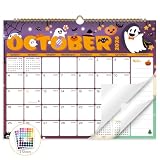
- Planner for Easy Organizing, Planning ahead and improving your productivity is easy with this gorgeous hand-drawn design wall calendar 2026 to 2027 (14.8" x 11.5"). All of your plans, ideas, meetings, appointments and important events at a glance, perfect for keeping track of your daily tasks, goals and yearly plans.
- 18 Months Wall Calendar 2026 to 2027, XISIDO wall calendar from july 2026 to december 2027, the calendar helps to track your daily tasks and long-term goals, focus on easy and efficient planner, scheduling and tracking for a manageable life.
- Professional Content Design, 18 months wall calendar 2026 and wall calendar 2027 of monthly pages with past and future monthly reference + holidays highlighted marked + julian date + notes space for daily summary + 2 sheets of 96 dot stickers for better marking.is perfect for keeping track of your schedule.
- Hand Drawn Original Design, In addition to being quality planning tool, this wall calendar 2026 is also beautiful addition to your wall, different color combinations add a relaxed atmosphere, and it's also good gift for new year 2027, wedding and christmas and freshness to your office, home, school or classroom. whether as an office calendar or a cute calendar for your home. This calendar perfectly balances functionality and style, serving as both a charming decor piece and a practical planner.
- Superior Material, Wall calendar made of extra thick premium paper that prevents annoying ink bleed through, make it fits most pens, which keeps plans neat and legible, sturdy twin-wire binding guarantees easy pag.this calendar is your trusted companion for efficient planning, easily handling every scribble, note, and mark.
SSI-only recipients
The timing issue applies most directly to individuals who receive Supplemental Security Income (SSI) and no Social Security benefits. SSI is a needs-based program designed to provide income for a specific calendar month, and payments are normally made on the first day of that month.
When January 1 falls on a weekend or federal holiday, the January SSI payment is issued on the last business day of December. As a result, SSI-only recipients receive two deposits in December: one for December benefits and one early payment for January. No SSI payment is made in January itself.
Dual beneficiaries receiving both SSI and Social Security
Some individuals receive both SSI and Social Security benefits, often because their Social Security payment alone is low enough to qualify for supplemental SSI support. For these dual beneficiaries, the impact is mixed and requires careful attention to timing.
The SSI portion follows the early-payment rule and may arrive twice in December, while the Social Security portion generally continues on its normal January schedule. This can soften, but not eliminate, the January cash flow gap created by the absence of an SSI deposit. The combined income pattern may still feel uneven despite unchanged annual benefit amounts.
Who should not expect any change at all
Beneficiaries who do not receive SSI should not expect two Social Security-related payments in December. This includes retirees, SSDI recipients, survivors, and spouses receiving benefits solely under the Social Security program.
For these individuals, December income reflects only December benefits. Any perception of a double payment typically stems from confusion between Social Security and SSI, rather than from an actual change in how benefits are paid.
Smart Planning Tips: Budgeting, Bills, and Avoiding a January Shortfall
Understanding that two December deposits reflect a timing shift rather than additional income is the foundation for effective planning. The total annual benefit amount remains unchanged, even though cash flow is temporarily concentrated into one calendar month. Without deliberate budgeting, this concentration can create the illusion of surplus in December and a real liquidity gap in January.
Reframe December income as covering two months
For SSI recipients, the second December payment is legally and economically January income, despite arriving early. Treating it as December spending money increases the risk of a January shortfall. A practical planning approach is to mentally assign the second deposit to January obligations before making any discretionary spending decisions.
Separate fixed bills from discretionary expenses
Fixed expenses are costs that remain stable month to month, such as rent, utilities, insurance premiums, and prescription copayments. Discretionary expenses, by contrast, include nonessential or flexible spending such as gifts, travel, or entertainment. Allocating the early January SSI payment first to fixed January bills helps preserve housing and healthcare stability when no January deposit arrives.
Use account balances, not deposit dates, to guide spending
Relying on deposit dates to signal how much can be spent can be misleading during months with early payments. Account balances should be evaluated in the context of upcoming obligations, particularly those due after the calendar turns. This approach reduces the risk of overdrafts, late fees, or utility interruptions in January.
Recommended Free Tools
Be mindful of automatic withdrawals and due dates
Many beneficiaries rely on automatic payments for rent, phone service, or insurance, which often process in early January. If those payments are normally covered by a January SSI deposit, the early December payment must be reserved accordingly. Failing to adjust can lead to declined transactions even though total benefits for the year are unchanged.
Coordinate planning for dual beneficiaries
Individuals receiving both SSI and Social Security should map out each deposit source separately. Social Security payments generally continue on their regular January schedule, while SSI does not. Understanding which expenses are typically covered by each program helps prevent gaps that may not be immediately obvious when reviewing a combined bank balance.
Avoid treating December as a “bonus” month
The presence of two deposits in December can coincide with seasonal spending pressures, including holidays and year-end travel. Viewing the early January payment as a windfall rather than deferred income increases financial vulnerability in the following month. A disciplined allocation preserves cash flow stability without requiring any reduction in essential spending.
Monitor benefit notices and payment calendars
The Social Security Administration publishes annual payment schedules that clearly show early SSI deposits. Reviewing these calendars in advance allows beneficiaries to anticipate uneven months rather than react to them. Advance awareness is especially important for near-retirees or new SSI recipients who may not yet be accustomed to this recurring timing pattern.
What’s actually slowing this PC down?
Pick the symptom - the matching free tool is one click away.
Best Value

- THE ULTIMATE DIGITAL CALENDAR FEATURED ON WIRECUTTER: Meet the latest from Skylight, the Calendar 2 – includes all of the features already loved by millions of busy families, like digital calendar and chore chart, with an upgraded design and trusted by parenting experts. Featured by Wirecutter for helping families stay organized and share responsibilities. Advanced hardware and swappable Snap Frames make weekly planning look better than ever.
- EVERYTHING AT A GLANCE: The Skylight Calendar 2 features a stunning 15" Full HD display with bright and vibrant color, designed for clear visibility throughout the day. This digital wall calendar keeps schedules, chores, routines and more easy to read at a glance in busy family spaces.
- CUSTOMIZABLE DESIGN: Includes a removable magnetic Snap Frame, a 180° adjustable stand and wall mount with built-in level allowing you to personalize your digital wall calendar. Table, counter-top, or wall-mounted, our digital calendar fits perfectly in any room setup.
- EASY SETUP, SEAMLESS PERFORMANCE: Plug in, connect to Wi-Fi, and sync your calendars in minutes. With 4GB of RAM, the Skylight Calendar 2 offers smooth performance, fast syncing, and enhanced responsiveness – ideal for managing your family's busy schedule and tasks.
- STAY CONNECTED ANYWHERE: This digital family calendar includes Calendars, Tasks, and Lists for the whole family, and access to the Skylight calendar app. The optional premium Plus Plan unlocks features like Sidekick magic import, photo screensaver, meal planning, rewards, and more.
Key Takeaways and a Quick Checklist to Mark on Your Calendar
As the calendar approaches year-end, it is useful to consolidate the core points into a concise framework. The appearance of two Social Security–related deposits in December is a predictable administrative pattern, not a change in benefit policy. Understanding which program is affected and how the timing works is central to maintaining stable monthly cash flow.
Key takeaways to keep in mind
Some beneficiaries receive two deposits in December because Supplemental Security Income (SSI) is paid on the first of the month, and the January payment is issued early when January 1 falls on a weekend or federal holiday. This early payment is still the January benefit, delivered in December for administrative reasons.
Social Security retirement, survivor, and disability benefits follow a different schedule based on birth date or entitlement category. These benefits generally continue on their normal January timetable and are not doubled in December. Only SSI routinely creates a two-deposit month at year-end.
The total annual benefit amount does not increase. One calendar month, typically January, will have no SSI deposit because it was already received. Treating December’s second deposit as extra income can create shortfalls when regular expenses come due after the new year.
Do these 3 things before closing this tab:
1Repair Windows errors before they cause bigger problems2Scan for outdated or missing drivers - takes under a minute3Clear out junk files and repair common Windows errorsPrograms affected and not affected
SSI is the primary program responsible for the two-payment December. SSI is a needs-based program designed to cover basic living expenses, and its payment schedule is sensitive to weekends and holidays.
Social Security benefits, sometimes referred to as Old-Age, Survivors, and Disability Insurance (OASDI), are not advanced in this way. Beneficiaries who receive only Social Security generally do not experience a missing payment in January and should not expect December to look different.
Why timing awareness matters for cash flow
Monthly budgeting often relies on predictable deposit dates. When a payment shifts across calendar months, the risk is not overspending in December, but underfunding January obligations. This risk is highest for fixed expenses such as rent, utilities, insurance premiums, and loan payments.
Planning at the cash-flow level, rather than by month labels, helps avoid confusion. Viewing the early deposit as already committed to January expenses preserves financial continuity without altering lifestyle or spending priorities.
Quick checklist to mark on your calendar
Confirm which benefits are received: SSI, Social Security, or both. Each program follows its own payment rules.
Review the Social Security Administration’s annual payment calendar and note any early SSI deposits, especially those scheduled for late December.
Label the second December SSI deposit as “January income” in personal records or budgeting tools to reduce the temptation to overspend.
Align automatic withdrawals and due dates with the correct benefit source, ensuring January bills are covered even without a January SSI deposit.
Windows Errors? Fix Them Before They Spread
Repair common Windows errors and clear accumulated junk for a smoother, more stable PC - no reinstall needed.Free scan · no reinstallCrashes, No Sound, or Screen Glitches?
Random freezes, missing sound and display glitches usually trace back to one bad driver. Find and replace yours safely.Free scan · under a minuteFor dual beneficiaries, track SSI and Social Security deposits separately so that one program’s timing shift does not mask a gap in the other.
By anchoring expectations to payment mechanics rather than calendar months, beneficiaries can navigate December’s unusual deposit pattern with clarity. The result is smoother cash flow, fewer surprises in January, and a more accurate understanding of how Social Security–related benefits are delivered throughout the year.
Quick Recap
Product prices and availability are accurate as of the date/time indicated and are subject to change. Any price and availability information displayed on Amazon at the time of purchase will apply.




