Less than a week remains before a critical tariff deadline tied to trade measures originally imposed during the Trump administration, bringing a long-simmering policy question back to the center of financial and economic decision-making. These tariffs, covering hundreds of billions of dollars in imported goods, have shaped global supply chains, corporate cost structures, and inflation dynamics for several years. Their potential expiration or continuation now carries immediate implications for markets and businesses that have already adjusted to a high-tariff environment.
The Legal Origin of the Deadline
The deadline stems from the statutory review process under Section 301 of the Trade Act of 1974, a U.S. law that allows the executive branch to impose tariffs in response to unfair foreign trade practices. Section 301 tariffs are not permanent by default; they are subject to a mandatory four-year review to determine whether removing them would lead to the continuation or recurrence of the targeted practices. Absent an affirmative decision to extend, modify, or replace them, the tariffs are legally required to expire.
What Is Actually Set to Expire
The measures in question primarily affect imports from China across a wide range of categories, including industrial inputs, consumer electronics, machinery, and intermediate goods used in manufacturing. These tariffs have functioned as an additional tax on imports, paid by U.S. importers at the border and often passed through to downstream producers or consumers. Over time, they have become embedded in pricing models and sourcing strategies, making their potential removal economically meaningful even if headline trade volumes appear stable.
Why the Timing Matters Now
The deadline arrives at a moment when inflation remains sensitive to cost pressures, global supply chains are still adjusting after years of disruption, and geopolitical tensions continue to influence trade policy. Removing tariffs could lower input costs and marginally ease price pressures, while extending them would reinforce the current cost structure and signal continued strategic competition. Because firms plan inventories, contracts, and capital expenditures months in advance, clarity—or the lack of it—around the deadline directly affects near-term business decisions.
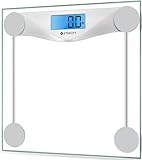
#1 Best Overall

- Homebuds 400lb/182kg Digital Bathroom Scale for Body Weight, High Precision in 0.1lb/0.05kg Assured by Our-owned Professional Weight Scale Factory SINCE 2001, Large Tempered Glass Platform, 3 Units(lb/kg/st), GREEN Creative Icon: Stable Indicates Weighing Measurement Completed for Your Daily Fitness, Original Pacific Blue Design, 3*AAA Batteries Included.
- EASY TO USE - The creative GREEN Icon of digital weight scale is unique signal for stable indication when weighing completed. It is utilized up-to-date digital technology, along with many friendly features, including: auto calibration, auto step-on, auto power off, comfortable platform in 10.9'' x 10.9'', 3*AAA batteries included, 3 units switch: lb/kg/st. Easy for our healthy progress and daily health tracking.
- EASILY VISIBLE LED - The bathroom scale is equipped with crystal clear LED in large number size, specially designed for clearly viewing numbers in any conditions, and kept the same brightness throughout batteries' lifecycle. Whether you are into bodybuilding or just daily fitness, supports your journey.
- ORIGINAL DESIGN - The bathroom accessories is our original design with the idea: Less is More, as well as the unique feature: the whole platform in elegant blue. Our entire team sincerely wishes it is not only the perfect scale for body weight, but also a perfect decoration in your bathroom, bedroom, or living room.
- BEYOND OUR DIGITAL SCALES - Our company established in 2001, dedicates to developing and manufacturing high quality bathroom scales for weight loss. Our first-class quality and social management system has been certified by ISO and Social Accountability. Homebuds: Inspired by Life, for Better Life. We are committed to improving your health, fitness, and overall well-being.
Policy Paths at the Deadline
Policymakers face three broad options: allow the tariffs to expire, extend them in their current form, or modify them by narrowing, expanding, or re-targeting specific product categories. Expiration would represent a de-escalation of trade restrictions, while extension would preserve the status quo. Modification, which has precedent, would reflect an attempt to balance domestic industry protection with inflation and competitiveness concerns.
Why Markets Are Paying Attention
Financial markets tend to treat tariffs as both a trade policy tool and a macroeconomic variable. Changes in tariff policy can influence corporate margins, sector-level earnings expectations, and inflation forecasts, all of which feed into equity valuations and interest rate expectations. For investors and business owners, the deadline is less about political symbolism and more about whether a key policy input into pricing, costs, and global trade flows is about to change abruptly or remain in place.
Legal and Policy Foundations: How These Tariffs Were Imposed and What Authority Governs Their Expiration
Understanding what happens at the deadline requires clarity on the legal architecture behind the tariffs themselves. These measures were not imposed through legislation passed by Congress, but through executive authority embedded in existing U.S. trade law. As a result, both their continuation and expiration are governed by administrative process rather than a new vote in Congress.
The Statutory Basis: Section 301 of the Trade Act of 1974
The tariffs at issue were imposed primarily under Section 301 of the Trade Act of 1974. Section 301 authorizes the U.S. Trade Representative (USTR) to investigate and respond to foreign trade practices deemed unfair, unreasonable, or discriminatory, and that burden or restrict U.S. commerce. In this case, the original investigation concluded that certain foreign industrial and intellectual property practices justified unilateral tariff action.
Quick wins for a faster PC:
Repair Windows errors before they cause bigger problemsFix Now →Fix the driver behind crashes, sound loss and screen glitchesFind Drivers →Clear out junk files and repair common Windows errorsFree Scan →Once imposed, Section 301 tariffs function as remedial trade measures rather than permanent policy fixtures. The law explicitly requires periodic review to assess whether the underlying conditions that justified the tariffs still exist. This statutory design is what gives rise to the current expiration deadline.
Why a Deadline Exists: The Four-Year Review Requirement
Section 301 mandates that tariffs expire after four years unless the USTR determines that continuation is warranted. To extend the tariffs, affected domestic industries must request a review, demonstrating that removal would likely lead to the continuation or recurrence of the targeted practices. Without such a request and a subsequent affirmative determination, the tariffs are legally required to terminate.
This review process is administrative but economically consequential. It involves public comment periods, interagency consultation, and an evaluation of both trade enforcement objectives and broader economic effects. Until a formal determination is issued, markets are left to assess whether expiration will occur automatically or be preempted by an extension decision.
The Role of Executive Authority and Policy Discretion
Although Section 301 provides the legal framework, the ultimate outcome reflects executive branch priorities. The USTR operates under delegated presidential authority, meaning the administration has significant discretion over whether to emphasize trade enforcement, inflation control, or strategic competition. This discretion explains why tariffs can persist even when their economic costs are well documented.
Importantly, extension does not require the administration to conclude that tariffs are economically optimal. It requires only a determination that the underlying trade concerns remain unresolved. This legal threshold is substantially lower than a cost-benefit test, which is why tariffs can remain in place even as supply chain and price effects accumulate over time.
Expiration Versus Modification: What the Law Allows
The law does not restrict policymakers to a binary choice between full expiration and full extension. Section 301 allows for modification, including narrowing product coverage, adjusting tariff rates, or exempting specific categories. Such changes can be implemented through administrative action following review, without new congressional authorization.
This flexibility matters for markets and businesses because partial adjustments can alter cost structures unevenly across industries. Even modest changes in tariff scope can shift sourcing decisions, margins, and pricing power, particularly in sectors with complex global supply chains. As a result, the legal mechanics of expiration are closely intertwined with real economic outcomes well beyond the headline policy decision.
Economic Context Heading Into the Deadline: Inflation, Growth Risks, and Trade Flows
The legal flexibility described above is unfolding against a macroeconomic backdrop that is far less forgiving than when the tariffs were first imposed. Inflation has moderated from recent peaks but remains above long-term targets in many advanced economies, while growth momentum is uneven and increasingly fragile. These conditions raise the economic stakes of any decision to extend, modify, or allow the tariffs to expire.
Do these 3 things before closing this tab:
1Fix the driver behind crashes, sound loss and screen glitches2Repair Windows errors before they cause bigger problems3Scan for outdated or missing drivers - takes under a minuteInflation Dynamics and Cost Transmission
Tariffs function as a tax on imported goods, and their inflationary impact depends on how much of that cost is passed through to consumers. Cost pass-through refers to the extent to which higher import prices translate into higher final prices rather than being absorbed by producers or intermediaries. Empirical evidence from prior tariff rounds suggests that a significant share of tariff costs ultimately showed up in consumer prices, particularly for goods with limited domestic substitutes.
Heading into the deadline, inflation pressures are no longer driven primarily by supply chain disruptions but by services prices and labor costs. This shift complicates policy trade-offs. Extending tariffs risks adding incremental pressure to goods inflation at a time when central banks are attempting to ensure that overall price growth continues to decelerate without triggering a sharp downturn.
Growth Risks and Business Investment Sensitivity
Economic growth indicators point to slowing activity, especially in manufacturing and trade-exposed sectors. Purchasing managers’ indexes, which survey business conditions such as new orders and employment, have shown softness in export-oriented industries. In this environment, tariffs act less as a strategic bargaining tool and more as a headwind to already cautious business sentiment.
Uncertainty surrounding the deadline itself also weighs on investment decisions. Firms facing unclear future input costs often delay capital expenditures, hiring, or supply chain restructuring. Whether tariffs expire or are extended, the timing and clarity of the decision matter for growth because prolonged ambiguity can suppress activity even before any formal policy change takes effect.
What’s actually slowing this PC down?
Pick the symptom - the matching free tool is one click away.
Trade Flows, Supply Chains, and Global Adjustment
Global trade flows have already adjusted significantly since the tariffs were introduced. Many companies rerouted sourcing away from directly affected countries toward alternative suppliers, a process known as trade diversion. While this reduced direct tariff exposure, it often increased logistical complexity and costs, limiting the net benefit to end prices.
As the deadline approaches, the question is not whether supply chains will revert to pre-tariff patterns, but how much additional adjustment will occur at the margin. An expiration could modestly lower costs for certain inputs and consumer goods, while an extension or modification may reinforce existing sourcing strategies. Either outcome will interact with current trade volumes, shipping costs, and geopolitical considerations, shaping sector-specific impacts rather than producing a uniform macroeconomic effect.
Rank #2
- 𝑹𝒆𝒍𝒊𝒂𝒃𝒍𝒆 𝑷𝒓𝒆𝒄𝒊𝒔𝒊𝒐𝒏: With professional expertise refined over 10 years, our brand design ensures accuracy and reliability through high-precision sensor technology
- 𝑬𝒂𝒔𝒚 𝒕𝒐 𝑼𝒔𝒆: The scale is equipped with an easy-to-read display with automatic on/off, low battery, and overload indications. Choose between 2 units of measurement (lb/kg) for your weighing convenience
- 𝑴𝒊𝒏𝒊𝒎𝒂𝒍 𝑫𝒆𝒔𝒊𝒈𝒏: Never Let a scale ruin your style. Place this scale in your bathroom, bedroom, or living room. It will complement the design of your living space
- 𝑨 𝑫𝒖𝒓𝒂𝒃𝒍𝒆 𝑪𝒉𝒐𝒊𝒄𝒆: The scale’s 6-mm tempered glass platform provides exceptional durability and comfort. Equipped with a supportive frame and anti-skid paddings to prevent slipping, you can rely on the sturdiness of our scale
- 𝑳𝒂𝒓𝒈𝒆 𝑷𝒍𝒂𝒕𝒇𝒐𝒓𝒎: Step onto the scale comfortably with its large 11.9 x 11.9-inch platform
Scenario One — Automatic Expiration: What Happens If the Tariffs Lapse with No Action
If no formal action is taken before the deadline, the tariffs would expire automatically under their existing legal authority. This outcome would not require a presidential proclamation or congressional vote; it would simply reflect the lapse of temporary measures that were enacted with defined time limits. In policy terms, this is the default scenario, not an affirmative decision to liberalize trade.
Legal Mechanics of Automatic Expiration
Most of the tariffs in question were imposed using executive authorities that allow temporary trade restrictions for national security or negotiating purposes. These authorities typically require periodic renewal or justification to remain in force. Absent renewal, the tariff schedules revert to their prior rates, restoring pre-tariff duty levels at U.S. ports of entry.
Crashes, No Sound, or Screen Glitches?
Random freezes, missing sound and display glitches usually trace back to one bad driver. Find and replace yours safely.Free scan · under a minutePC Slower Than It Used to Be?
A free scan shows the junk files, broken settings and background clutter dragging Windows down - then fixes them in one click.Free scan · Windows 10 & 11From an administrative perspective, the change would be implemented through U.S. Customs and Border Protection, which would begin assessing lower duties on covered goods immediately after expiration. No phase-out period would be required, meaning the price effect at the border would be abrupt rather than gradual.
Immediate Price and Inflation Implications
The most direct economic effect of expiration would be a mechanical reduction in import costs for goods previously subject to tariffs. Importers would face lower landed costs, defined as the total cost of bringing goods into the country, including tariffs, shipping, and insurance. The extent to which these savings pass through to consumers depends on competitive dynamics and existing contracts.
From an inflation standpoint, tariff expiration would exert modest downward pressure on goods prices. While unlikely to materially change headline inflation on its own, it could contribute to continued disinflation in categories such as appliances, machinery, and certain consumer goods. This effect would be more visible in producer price indexes, which measure prices received by domestic producers, than in consumer price indexes.
Market and Financial Asset Reactions
Financial markets would likely interpret automatic expiration as a reduction in policy uncertainty rather than a major trade shift. Equity markets tend to respond favorably to clarity, particularly in sectors with complex supply chains that have been sensitive to tariff-related cost volatility. However, the response would likely be uneven, reflecting differences in exposure across industries.
Bond markets would be less directly affected, though marginally lower inflation expectations could reinforce existing trends in yields. Currency markets may register limited movement, as an expiration without accompanying trade negotiations would not materially alter the broader balance of trade outlook.
Supply Chain Adjustments and Business Behavior
Despite lower tariffs, a full reversal of supply chain reconfiguration is unlikely. Many firms have already incurred sunk costs, meaning costs that cannot be recovered, to diversify sourcing and reduce future policy risk. As a result, expiration would primarily affect marginal decisions, such as sourcing for new contracts or incremental production increases.
For business investment, expiration could ease some cost pressures and improve planning visibility. Firms that delayed purchases or inventory rebuilding in anticipation of the deadline may resume activity, particularly in trade-exposed manufacturing and retail. The key benefit in this scenario is not dramatic cost savings, but the removal of a known policy headwind.
Sector-Specific Effects
Industries with high import intensity, such as consumer electronics, industrial equipment, and automotive components, would see the most immediate relief. These sectors often operate on thin margins and are sensitive to changes in input costs. By contrast, domestically oriented services and less trade-dependent industries would experience little direct impact.
Agricultural and commodity-linked sectors would benefit indirectly if lower input costs improve downstream demand. However, the expiration alone would not resolve broader trade frictions or non-tariff barriers, limiting the scope of improvement in export conditions.
In sum, automatic expiration represents a stabilization scenario rather than a stimulus. It reduces friction, lowers certain prices at the margin, and improves predictability, but it does not fundamentally reshape trade relationships or growth trajectories.
Scenario Two — Extension or Escalation: How a Renewal or Expansion Would Likely Be Structured
If the deadline does not lapse quietly, the most plausible alternative is a policy extension or targeted escalation. Historically, U.S. tariff deadlines tied to executive authority have often been adjusted rather than allowed to expire, especially when they are viewed as ongoing leverage in broader trade negotiations. This scenario would represent continuity or intensification of trade pressure rather than normalization.
Legal Mechanisms for Extension or Expansion
An extension would most likely be executed through the same statutory authorities that enabled the original tariffs, such as Section 301 of the Trade Act of 1974 or Section 232 of the Trade Expansion Act of 1962. Section 301 allows tariffs in response to unfair trade practices, while Section 232 permits action on national security grounds. Both grant the executive branch significant discretion and limited congressional involvement.
Free tools Windows power users keep installed
One-click scans. No signup required.
In practical terms, an extension could take the form of a formal renewal of existing tariff schedules, a delay of scheduled rollbacks, or the continuation of exclusions on a temporary basis. An escalation would involve expanding tariff coverage to additional product categories, increasing tariff rates, or narrowing existing exemptions. Each approach would preserve policy optionality while signaling a more confrontational stance.
Strategic Rationale Behind a Renewal
From a policy perspective, renewing tariffs maintains negotiating leverage without incurring the political cost of announcing new trade actions. It allows policymakers to argue that pressure remains necessary to secure concessions on issues such as market access, industrial subsidies, or technology transfer. This logic has been central to prior tariff extensions, even when near-term economic costs were acknowledged.
Economically, a renewal reflects an assessment that inflationary risks from tariffs are manageable or secondary to strategic objectives. While tariffs function as a tax on imports, their impact on headline inflation has historically been diffuse and lagged. This has made extensions politically feasible during periods of stable or moderating inflation.
Market and Inflation Implications
For financial markets, an extension or escalation would likely be interpreted as a modest negative shock to risk sentiment rather than a systemic disruption. Equity markets would tend to price in higher input costs and policy uncertainty, particularly in trade-sensitive sectors. Fixed income markets may reflect slightly higher inflation risk premiums, defined as the additional yield investors demand to compensate for expected inflation.
The Tool Desk
Outbyte Driver Updater FREEFix the driver behind crashes, sound loss and screen glitchesFind Drivers →Outbyte PC Repair FREEClear out junk files and repair common Windows errorsFree Scan →Rank #3

- 𝑼𝒏𝒑𝒂𝒓𝒂𝒍𝒍𝒆𝒍𝒆𝒅 𝑨𝒑𝒑 𝑬𝒙𝒑𝒆𝒓𝒊𝒆𝒏𝒄𝒆: Elevate your fitness journey with us. Our scale stands out with the free vesync app, offering a customized diet and exercise plans based on your life habits. Achieve your fitness goals scientifically with ease (FSA/HSA eligible)
- 𝑼𝒑𝒈𝒓𝒂𝒅𝒆 𝑷𝒓𝒆𝒄𝒊𝒔𝒊𝒐𝒏: Benefit from our 10 years of professional experience and join over 5 million satisfied customers across 30 countries, our scale boasts high-precision sensors for accuracy in increments as small as 0.05 lb
- 𝑽𝒆𝒓𝒔𝒂𝒕𝒊𝒍𝒆 𝑾𝒆𝒊𝒈𝒉𝒊𝒏𝒈 𝑺𝒐𝒍𝒖𝒕𝒊𝒐𝒏: Our scale offers 3 different modes designed to cater to all your needs. Zero-Current Mode ensures a safe weigh-in option, Baby Mode tracks baby or pet growth, and For Light Items weighs items as light as 100g
- 𝑼𝒔𝒆 𝒘𝒊𝒕𝒉 𝑬𝒂𝒔𝒆: Seamlessly integrate our scale into your fitness routine. Compatible with APPLE WATCH and syncs data with popular fitness apps like Apple Health, Samsung Health, Google Fit, FitBit, and MyFitnessPal. Supports unlimited users for convenience
- 𝑾𝒆𝒊𝒈𝒉 𝑺𝒎𝒂𝒓𝒕𝒆𝒓: Beyond analyzing 13 biometrics, setting goals, and viewing progress graphs, our scale offers even more intelligence. Connect the app to Alexa for hands-free voice control and quick answers. Rest assured, VeSync prioritizes your privacy
Inflation effects would be uneven. Goods inflation could face renewed upward pressure in categories directly affected by tariffs, especially where supply chains remain concentrated. However, services inflation, which dominates overall consumer price indices, would remain largely unaffected, limiting the macroeconomic impact.
Supply Chain and Corporate Response
An extension would reinforce the supply chain adjustments already underway rather than reverse them. Firms that have diversified suppliers or shifted production geographically are unlikely to revert, given the demonstrated persistence of trade policy risk. Instead, companies would accelerate efforts to reduce tariff exposure through sourcing changes, contract renegotiation, or pricing adjustments.
Escalation would intensify these dynamics. Higher or broader tariffs would raise the incentive to localize production or move sourcing to tariff-exempt jurisdictions. Over time, this could lead to higher capital expenditures but also higher structural costs, as alternative supply chains are often less efficient than established ones.
Sectoral Exposure and Competitive Effects
Manufacturing sectors with complex, cross-border supply chains—such as electronics, machinery, and transportation equipment—would face the most pronounced effects. These industries rely heavily on intermediate inputs, meaning tariffs compound through multiple production stages. Smaller firms with less pricing power would be particularly exposed.
Recommended Free Tools
Conversely, some domestic producers could benefit from reduced import competition in the short term. However, these gains are often offset by higher input costs and retaliatory measures from trading partners. As a result, the net sectoral impact of extension or escalation tends to be uneven and difficult to sustain over time.
In contrast to expiration, this scenario prolongs uncertainty and embeds trade policy as an ongoing constraint rather than a fading risk. The economic signal is not one of imminent disruption, but of continued friction and strategic ambiguity shaping investment, pricing, and global sourcing decisions.
Market Impact Assessment: Equities, Bonds, Currencies, and Commodities Under Each Outcome
Against this backdrop of prolonged uncertainty and uneven sectoral exposure, financial markets are primarily pricing the tariff deadline as a policy risk event rather than a macroeconomic turning point. Asset price reactions will therefore depend less on the existence of tariffs themselves and more on how the outcome alters expectations around growth, inflation, and policy stability.
Equities: Risk Sentiment and Sector Rotation
An expiration of the tariffs would likely be interpreted by equity markets as a modest de-risking event. Cyclical sectors tied to global trade, such as industrials, semiconductors, and consumer discretionary, could benefit from improved earnings visibility and reduced input cost pressures. However, gains would likely be selective rather than broad-based, as many firms have already adapted to the current tariff regime.
An extension would reinforce the status quo. Equity markets tend to respond neutrally to policy continuity, with limited index-level movement but ongoing dispersion beneath the surface. Firms with complex supply chains or thin margins would remain under pressure, while domestically oriented or service-heavy companies would continue to appear relatively insulated.
Escalation would introduce a more clearly negative equity signal. Higher tariffs would raise concerns about margin compression, retaliatory measures, and slower global growth. Historically, such outcomes have triggered short-term volatility spikes and defensive sector outperformance, particularly in utilities, healthcare, and consumer staples.
Fixed Income: Growth Expectations and Policy Signaling
In bond markets, tariff outcomes primarily affect expectations for economic growth and central bank policy rather than near-term inflation alone. An expiration would modestly steepen yield curves, meaning longer-term interest rates rise relative to short-term rates, as investors price in slightly stronger growth and reduced downside risk. Credit spreads, which measure the extra yield demanded for holding corporate debt over government bonds, would likely narrow.
An extension would leave bond markets largely unchanged. Persistent trade friction is already embedded in growth forecasts, and without new information, government bond yields would continue to reflect cautious but stable expectations. Corporate credit would remain differentiated by sector, with exporters and manufacturers facing tighter financing conditions than service-oriented firms.
Recommended Free Tools
Escalation would likely prompt a flight to safety. Government bond yields could fall as investors seek lower-risk assets, even if tariffs introduce some inflationary pressure. This reflects the bond market’s tendency to prioritize growth risks over cost-push inflation when trade shocks threaten broader economic momentum.
Currencies: Relative Policy and Trade Exposure
Currency markets would respond primarily through relative growth and capital flow channels. An expiration could weaken the U.S. dollar modestly if global risk appetite improves and capital flows rotate toward trade-exposed economies. This effect would be incremental rather than dramatic, given the dollar’s continued role as a reserve currency.
An extension would support currency stability. Exchange rates would continue to reflect interest rate differentials and domestic economic performance rather than trade policy headlines. For export-oriented economies already operating under tariffs, the absence of escalation would reduce pressure for defensive currency depreciation.
Escalation would tend to strengthen the dollar in the short term, despite its role in the dispute. This counterintuitive outcome reflects safe-haven demand during periods of global uncertainty. Emerging market currencies and those of highly trade-dependent economies would be more vulnerable, particularly if capital outflows accelerate.
Quick wins for a faster PC:
Fix the driver behind crashes, sound loss and screen glitchesFind Drivers →Repair Windows errors before they cause bigger problemsFix Now →Commodities: Demand Sensitivity and Cost Transmission
Commodity markets would react unevenly depending on the balance between demand expectations and cost effects. An expiration would support industrial commodities such as copper and aluminum by improving global manufacturing sentiment. Energy prices could also firm if markets interpret the outcome as supportive of steady global demand.
An extension would likely keep commodity prices range-bound. Existing tariffs have already altered trade flows, and without new measures, markets would focus on inventory levels, geopolitical risks, and non-trade-related supply constraints. Agricultural commodities would remain sensitive to bilateral trade dynamics but not experience a regime shift.
Rank #4

- DURABLE ACCURACY CHOICE - Our owned professional factory has been focusing on high quality scales SINCE 2001, we make the digital scale for body weight with best-in-class technology and expertise, and proudly guarantee capacity 400lb/182kg in high 0.1lb/0.05kg division throughout the bathroom scale lifecycle. It helps you to stay fit and monitor your health.
- EASY TO USE - The weight scale is utilized up-to-date digital technology, along with many friendly features, including: auto calibration, auto step-on, auto power off, comfortable platform in 10.9'' x 10.9'', 3*AAA batteries included, 3 units switch: lb/kg/st. Easy for healthy progress or weight loss.
- EASILY VISIBLE LED - The digital scales for body weight are equipped with crystal clear LED in large number size, specially designed for clearly viewing numbers in any conditions, and kept the same brightness throughout batteries' lifecycle.
- EASILY VISIBLE LED - The digital scales for body weight are equipped with crystal clear LED in large number size, specially designed for clearly viewing numbers in any conditions, and kept the same brightness throughout batteries' lifecycle. Whether bodybuilding or just daily fitness, our scale supports your goals.
- BEYOND OUR DIGITAL SCALE - Based on over 20 years focusing on scales, our professional scales digital weight factory has been certified by ISO and Social Accountability for quality and social responsibility. All Vitafit Scale proudly developed and produced by ourselves. All Vitafit products are supported by our US customer service center in the heartland state Missouri. Vitafit: Inspired by Life, for Better Life.
Escalation would introduce downside risk for demand-sensitive commodities. Higher tariffs could slow industrial activity and global trade volumes, weighing on metals and energy prices. At the same time, tariffs on specific inputs could raise localized prices, illustrating how trade policy can simultaneously depress global demand while increasing costs within protected markets.
Independent reader supportYour contribution helps us test, update, and keep practical guides available for everyone.Supply Chains and Pricing Power: Sector-by-Sector Winners and Losers
The tariff deadline’s expiration, extension, or escalation would most clearly manifest through supply chain behavior and firms’ ability to pass higher costs to customers. Pricing power refers to a company’s capacity to raise prices without materially reducing demand, a function of market structure, brand strength, and input substitutability. Tariffs operate as a tax on imported inputs or finished goods, forcing firms to choose between absorbing costs, restructuring supply chains, or increasing prices.
The effects would not be uniform. Differences in input intensity, supplier concentration, and customer price sensitivity create clear sectoral winners and losers under each policy outcome.
Manufacturing and Industrials: Cost Absorption Versus Repricing
Capital goods, machinery, and transportation equipment manufacturers are among the most directly exposed. These sectors rely heavily on globally sourced components, including steel, aluminum, electronics, and specialized parts. Escalation would raise input costs, but competitive pressures often limit immediate price increases, compressing margins.
An expiration would modestly improve visibility and reduce the incentive for costly supply chain reconfiguration. Firms could maintain diversified sourcing strategies without accelerating reshoring or nearshoring investments. An extension would preserve the status quo, where firms have already adjusted operations but remain cautious about long-term capital spending.
Consumer Goods and Retail: Uneven Pricing Power
Consumer-facing sectors illustrate the importance of demand elasticity, defined as how sensitive consumers are to price changes. Essential goods producers, such as food and household staples, typically possess greater pricing power and can pass through tariff-related costs more effectively. Discretionary goods retailers, including apparel and consumer electronics, face more resistance from price-sensitive consumers.
PC Slower Than It Used to Be?
A free scan shows the junk files, broken settings and background clutter dragging Windows down - then fixes them in one click.Free scan · Windows 10 & 11Crashes, No Sound, or Screen Glitches?
Random freezes, missing sound and display glitches usually trace back to one bad driver. Find and replace yours safely.Free scan · under a minuteEscalation would disproportionately pressure low-margin retailers dependent on imported finished goods. An expiration would ease cost pressures but would not reverse prior price increases, as firms tend to retain higher price points once accepted by consumers. Extensions would keep pricing strategies cautious, reinforcing gradual rather than abrupt adjustments.
Technology and Electronics: Supply Chain Complexity as a Risk Factor
Technology hardware and electronics face layered exposure due to highly fragmented global supply chains. Components often cross borders multiple times before final assembly, magnifying the effective impact of tariffs. While large firms may have the scale to absorb or reallocate costs, smaller manufacturers are more vulnerable.
An expiration would reduce uncertainty and support incremental efficiency gains rather than wholesale relocation. Escalation would accelerate supply chain regionalization, raising production costs and potentially slowing product cycles. Pricing power varies widely in this sector, with premium brands better positioned to pass costs on than commoditized producers.
Autos and Transportation: High Visibility, High Sensitivity
The automotive sector combines high import exposure with strong consumer price sensitivity. Vehicles incorporate globally sourced parts, making tariffs difficult to isolate to a single component. Escalation would raise sticker prices or squeeze margins, with downstream effects on demand and financing conditions.
An extension would sustain current pricing structures, which already reflect embedded tariff costs. An expiration would marginally improve cost structures but would more importantly reduce the risk of future price volatility. Given long product cycles, policy clarity matters more than short-term cost relief.
Agriculture and Food Processing: Trade Access Over Input Costs
Agriculture is less affected by input tariffs than by retaliatory measures and export access. Pricing power is limited, as many products are globally priced commodities. Escalation would heighten income volatility for producers by restricting export markets and increasing uncertainty around demand.
An expiration would stabilize trade relationships and reduce the need for government support programs. Extensions would keep producers cautious, with planting and investment decisions shaped by policy risk rather than market fundamentals.
Domestic Producers with Import Substitution Advantages
Some domestic manufacturers benefit from tariffs through reduced foreign competition, particularly in basic materials and select intermediate goods. These firms may enjoy improved pricing power in protected markets, at least temporarily. However, this advantage often comes at the cost of higher downstream prices for customers.
Do these 3 things before closing this tab:
1Scan for outdated or missing drivers - takes under a minute2Repair Windows errors before they cause bigger problems3Fix the driver behind crashes, sound loss and screen glitchesAn escalation would strengthen these effects but risk inefficiencies and retaliation. An expiration would narrow protection but encourage productivity and cost discipline. Extensions would sustain a mixed environment where protection exists but long-term competitiveness remains uncertain.
Geopolitical and Trade Policy Fallout: Retaliation Risks, WTO Issues, and Global Trade Realignment
Beyond sector-level impacts, the tariff deadline carries broader geopolitical consequences that extend into trade diplomacy, legal frameworks, and global supply chain architecture. Whether the measures expire, are extended, or are escalated will signal how the United States intends to balance domestic industrial objectives against its role in the global trading system. Markets tend to price these signals slowly, but policy counterparts abroad react more immediately.
Retaliation Risks and Escalation Dynamics
Tariffs rarely operate in isolation, as affected trading partners often respond with countermeasures. Retaliatory tariffs are typically targeted at politically sensitive exports, such as agricultural goods, consumer products, or high-visibility manufactured items. The economic effect is asymmetric, creating concentrated pain for specific industries rather than broad-based inflation relief or protection.
If the deadline passes without relief, retaliation risks rise, particularly from economies with sufficient leverage to absorb short-term trade disruptions. An expiration would reduce the probability of new countermeasures but may not fully reverse existing ones. Extensions preserve a fragile equilibrium in which retaliation is restrained but continuously threatened, reinforcing uncertainty rather than stability.
What’s actually slowing this PC down?
Pick the symptom - the matching free tool is one click away.
Best Value

- Up to 500lb Capacity: 4 high-precision sensors accurately provide your weight metrics down to 0.1lb/0.05kg increment with an extra high 500lbs / 226.8kg capacity. It can easily weigh light items from 0.4lb too. Manufactured under a strict GE trademark license, our smart scale ensures uncompromised reliability and consistency
- Easy to Read: The GE SC-500 uses a bright LED display instead of a backlit LCD that most scales use, for its many better features, like larger wide viewing angle very suitable for elderly, wider platform for bariatric/people tracking weight-loss progress, higher brightness, easier to read from a distance or under intense light. It is much brighter and easier to read your weight, a must have in your bedroom and home, or as a gift
- User-Friendly App for Whole Family: The free app "Fit Profile" is simple to use with auto connection via Bluetooth, and supports an unlimited number of users. It is compatible with Fitbit, Apple Health, and Google Fit so you can keep everything in one place. Please be assured Fit Profile will never share your information with any third parties
- Customer Oriented: Its elegant look makes it fit any room decoration. The large platform (11.8" x 11.8") provides a more comfortable weighing experience. 5mm tempered glass allow it to weigh over 400lbs. GE scale is made to high standards for everyday uses, a practical gift for Father’s Day, birthdays and other occasions.
- US-Based Customer Support: Our team in Texas are all professionals, ready to help you solve any problem when using the GE scale. We will make sure that all your concerns are addressed and all issues resolved, and want you to have a wonderful experience from the beginning to the end
World Trade Organization Constraints and Legal Tensions
Many of the tariffs subject to the deadline were justified under national security or safeguard provisions, which allow temporary deviations from standard World Trade Organization rules. These justifications are legally contested and have strained dispute settlement mechanisms already weakened by institutional gridlock. The WTO’s inability to enforce rulings consistently has reduced its deterrent effect against unilateral trade actions.
An expiration would ease legal pressure and reduce the backlog of unresolved disputes, even if it does not restore full compliance. Extensions prolong ambiguity, signaling that exceptional measures may become semi-permanent tools of policy. For global firms, this undermines confidence in rules-based trade and increases the perceived value of bilateral or regional agreements over multilateral frameworks.
Global Trade Realignment and Supply Chain Reconfiguration
Persistent tariff risk has accelerated a shift away from highly centralized supply chains toward diversification across multiple jurisdictions. This process, often described as trade realignment, reflects efforts to reduce exposure to policy shocks rather than to optimize costs. While it improves resilience, it also raises operating expenses and complicates inventory management.
An expiration would slow, but not reverse, this trend, as firms remain cautious about future policy reversals. Extensions reinforce incentives to relocate production or sourcing, particularly in sectors with thin margins or long planning horizons. Over time, this reshaping of trade flows alters investment patterns, favoring countries perceived as politically stable and policy-consistent.
Free tools Windows power users keep installed
One-click scans. No signup required.
Strategic Signaling and Long-Term Policy Credibility
The handling of the deadline serves as a signal to allies and competitors regarding U.S. trade strategy. Predictable enforcement of time-limited measures supports credibility, even when policies are restrictive. Repeated extensions without a clear end point suggest that tariffs are becoming structural rather than tactical.
For markets, credibility influences expectations around future inflation, input costs, and cross-border investment returns. For trading partners, it affects willingness to negotiate concessions or align with U.S. standards. The geopolitical fallout, therefore, is not confined to tariff rates themselves but to how durable and predictable trade policy appears in practice.
What Investors and Business Owners Should Watch Next: Signals, Timelines, and Strategic Implications
As the deadline approaches, attention shifts from the tariffs themselves to the signals embedded in how the decision is executed. Whether the measures expire, are extended, or are modified will shape expectations well beyond the immediate trade effects. The key issue is not only the policy outcome, but the precedent it sets for how future trade actions are managed.
Official Communications and Legal Mechanics
The first signal to monitor is the form and timing of any official announcement. A clean expiration, communicated clearly and without last-minute reversals, would indicate an effort to restore procedural normalcy. By contrast, an extension issued close to or after the deadline suggests continued reliance on executive discretion and emergency authorities.
The Tool Desk
Outbyte PC Repair FREEClear out junk files and repair common Windows errorsFree Scan →Outbyte Driver Updater FREEFix the driver behind crashes, sound loss and screen glitchesFind Drivers →Equally important is the legal framing. References to national security provisions, such as Section 232 of the Trade Expansion Act, or to unfair trade practices under Section 301 of the Trade Act, indicate whether tariffs are being treated as exceptional tools or normalized instruments of policy. Markets tend to react more negatively when legal justifications remain open-ended.
Negotiation Signals from Trading Partners
Reactions from major trading partners will provide a second layer of information. An expiration is likely to be met with restrained responses, including renewed engagement through formal dispute mechanisms or bilateral talks. An extension, particularly without clear conditions, increases the risk of retaliatory measures or stalled negotiations.
Business owners should watch for changes in foreign tariff schedules, customs enforcement, or regulatory barriers that may not be labeled as retaliation but have similar economic effects. These indirect responses often emerge with a lag and can affect export competitiveness and supply reliability.
Market Pricing and Inflation Expectations
Financial markets will quickly incorporate the decision into asset prices, especially in sectors with high import intensity. Equity volatility, currency movements, and shifts in inflation-linked securities provide insight into how durable investors believe the policy outcome will be. A modest market reaction typically reflects expectations of reversibility rather than confidence in stability.
For inflation, the distinction matters. An expiration may ease near-term cost pressures, but if firms expect tariffs to return, pricing behavior may not adjust fully. Extensions reinforce the perception that higher input costs are persistent, influencing wage negotiations and long-term contracts.
Operational Timelines for Firms
From an operational perspective, the next 30 to 90 days are critical. Firms will reassess sourcing decisions, inventory levels, and capital expenditures based on whether tariff risk appears reduced or entrenched. Short-term relief does not automatically translate into renewed investment if policy volatility remains high.
Industries with long planning horizons, such as manufacturing, energy, and advanced technology, are particularly sensitive to these timelines. Decisions delayed during the tariff period may resume only cautiously, reflecting a preference for flexibility over scale.
Strategic Implications for Capital Allocation
At a strategic level, the outcome influences where firms allocate capital geographically. Predictable expiration supports investment in existing trade relationships and infrastructure. Repeated extensions, even if incremental, strengthen the case for diversification into jurisdictions perceived as less exposed to U.S. trade policy shifts.
For investors, this translates into differentiated risk across regions and sectors. Exposure to globally integrated supply chains carries different implications depending on whether tariffs are viewed as episodic or structural. Understanding that distinction is essential for interpreting earnings resilience and long-term growth prospects.
In sum, the tariff deadline is less a binary event than a test of policy credibility and institutional discipline. The immediate economic effects matter, but the longer-lasting impact lies in how firms and markets recalibrate expectations about the rules governing global trade. For investors and business owners, the most valuable insight will come from assessing not just what decision is made, but how consistently and transparently it is applied going forward.
Quick Recap
Product prices and availability are accurate as of the date/time indicated and are subject to change. Any price and availability information displayed on Amazon at the time of purchase will apply.




