James Cash Penney grew up doing farm work near Hamilton, Missouri, before moving into retail and opening the first Golden Rule store in Kemmerer, Wyoming, in 1902. Agriculture remained part of his story—not because JCPenney was an agricultural business, but because its early customers included farmers and small-town residents, and Penney later pursued farming and livestock interests.
What was J.C. Penney’s farming background?
Penney was born on a farm near Hamilton, Missouri. His father was a stock farmer as well as a preacher and politician, and the family had limited cash. As a boy, Penney earned money through farm work, including labor on surrounding farms, raising pigs, trading horses, and growing watermelons. The National Park Service recounts these experiences in its biography of James Cash Penney.


That upbringing gave him direct experience with agricultural work and the economic circumstances of a farming family. It does not mean that he set out to make farming his career: his path soon turned toward retail.
How did he move from farm work into retail?
Penney first worked as a sales clerk in Hamilton. He later moved west and joined the Callahan and Johnson retail operation. That progression—from farm work to a local retail job and then to a western business partnership—connects his personal background to the company he would build without making the two the same thing. The National Park Service describes the early stages of his career, while the Library of Congress account traces the founding store.
Quick wins for a faster PC:
Fix the driver behind crashes, sound loss and screen glitchesFind Drivers →Repair Windows errors before they cause bigger problemsFix Now →#1 Best Overall
Where and when did the first Golden Rule store open?
Penney became a partner in a new store in Kemmerer, Wyoming, a small mining town. The Golden Rule store opened there on April 14, 1902, according to the Library of Congress. JCPenney’s newsroom also identifies Kemmerer as the location of the first store and confirms its Golden Rule name. The company describes the founding principle through the motto “Do unto others as you would have others do unto you.”
Why did the company serve agricultural regions and small towns?
The connection between Penney’s farm upbringing and JCPenney’s business was partly a connection to its market. In a 1931 statement quoted in the University of Oklahoma Press description of David Delbert Kruger’s book, Penney said: “Most of our stores are located in agricultural regions where the tide of merchandising rises and falls with the prosperity of the farmers.” The statement links the fortunes of many stores to the economic health of the farming communities around them.
Rank #2
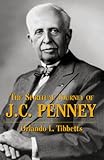
- Used Book in Good Condition
The press description says Penney maintained the company’s commitment to farmers and small-town residents as cities grew. A review published by Iowa Publications Online likewise describes an early retail formula serving small mining towns and agricultural communities. These accounts help explain why rural customers mattered, but the available sources do not provide comparable rural and urban sales, store counts, or profit figures.
How should Penney’s personal story and the company’s business be separated?
There are two related but distinct parts to Penney’s agricultural roots:
Do these 3 things before closing this tab:
1Clear out junk files and repair common Windows errors2Scan for outdated or missing drivers - takes under a minute3Repair Windows errors before they cause bigger problems- Personal experience: He grew up on a farm, did farm labor, and later had interests in farming and livestock. The available accounts support those broad points but do not give a complete history of his later agricultural operations.
- Commercial relationship: His company served agricultural regions and small-town residents. That customer base made farmers’ prosperity relevant to store business, as Penney’s 1931 comment indicates.
His background helps explain his familiarity with rural life, and the company’s rural markets show agriculture’s continuing relevance. Neither fact alone proves why the chain succeeded. The evidence supports agriculture as part of Penney’s background, customer base, and later interests—not as a complete explanation of the company’s growth.
Independent reader supportYour contribution helps us test, update, and keep practical guides available for everyone.Where can readers learn more?
David Delbert Kruger’s J. C. Penney: The Man, the Store, and American Agriculture, described by the University of Oklahoma Press, examines the relationship between Penney’s business and American agriculture in greater depth.
Quick Recap
Best Value

- non-fiction african american book set
- non-fiction black book set
- non-fiction african american children's book set
- non-fiction black children's book set
Product prices and availability are accurate as of the date/time indicated and are subject to change. Any price and availability information displayed on Amazon at the time of purchase will apply.




