Windows Errors? Fix Them Before They Spread
Repair common Windows errors and clear accumulated junk for a smoother, more stable PC - no reinstall needed.Free scan · no reinstallCrashes, No Sound, or Screen Glitches?
Random freezes, missing sound and display glitches usually trace back to one bad driver. Find and replace yours safely.Free scan · under a minuteShort answer: The Economic Times publishes standards that commit it to accuracy, verification, attribution, balance and visible corrections, but a written policy cannot establish that every story meets those standards. Media Bias/Fact Check (MBFC) gives the publication a mixed factual-reporting rating and a low credibility rating; that is one outside assessment, not a universal verdict. For important financial or market claims, verify the underlying records and compare independent coverage.
What The Economic Times says its journalism should meet
The Economic Times’ published Code of Conduct sets out expectations for accurate, unbiased and honest reporting, including attribution and verification. It also says the newsroom should seek responses from subjects in negative stories and attach an update or editor’s note when correcting online material.


The code says, “We observe the ‘Chinese wall’ between editorial and business.” This is the publisher’s own statement of policy, not an independent finding that editorial and commercial interests are always kept separate. The code lists a last-updated date of September 18, 2010, so it is best read as a published commitment rather than a current audit of newsroom performance.
What an outside rating says—and what it cannot prove
Media Bias/Fact Check (MBFC) describes The Economic Times’ factual reporting as “MIXED (5.5)” and assigns it a “LOW CREDIBILITY” rating. Those are MBFC’s judgments. They should not be presented as a consensus among media reviewers or as a substitute for checking individual stories; the available material does not independently reproduce MBFC’s article sample or methodology. See MBFC’s Economic Times assessment for its own explanation.
#1 Best Overall
The evidence therefore supports a qualified judgment: ET has declared editorial standards, while one named third party has issued a negative credibility assessment. Neither fact alone settles whether a particular article is accurate. Evaluate the reporting itself, especially when it may affect a financial decision.
What registration and publisher policies establish
India’s Press Registrar General lists a registered title named THE ECONOMIC TIMES. That confirms a registry record; it does not certify the accuracy, neutrality or quality of the publication’s journalism. The record is available from the Press Registrar General.
Rank #2

- Experience the upgraded Markets section with a brand-new look and exciting new features!
- - Discover trending stocks effortlessly using the Markets Dashboard
- - Access stock recommendations from various brokerages through the Recos feature
- - Find stocks matching your criteria with pre-created and custom filters in Screeners
- - Explore features like Analyst Corner, Stock Reports, Live Stream and many more for the latest market updates and expert analysis
ET has also published a policy on selecting columnists and says columnists may not use articles to promote their employer or themselves professionally. The columnist policy is a 2013 publisher statement. It describes an intended rule, not evidence of how consistently it is enforced.
How to assess an Economic Times article
Reliability is best judged story by story. Use these checks before relying on a consequential report:
Recommended Free Tools
- Find the primary evidence. For a company or market claim, look for the original filing, official announcement, regulator data or other source the article relies on. A link to evidence makes a claim easier to verify than an unsupported assertion.
- Check attribution and uncertainty. Notice whether the story names its sources, distinguishes confirmed facts from allegations or forecasts, and explains what remains unknown.
- Look for relevant context and response. In a negative story, check whether the subject’s response and facts that could materially change the interpretation are included.
- Identify the format. Straight news, a columnist’s opinion, sponsored content, analysis and market commentary serve different purposes. Do not treat commentary or a forecast as a verified fact.
- Check for updates and corroboration. Look for an update or correction note, then compare important claims with independent reporting and primary records.
These checks align with the standards ET says it expects, while recognizing that a stated standard and an outside rating are not article-level verification.
Independent reader supportYour contribution helps us test, update, and keep practical guides available for everyone.Does ET Prime make the reporting more reliable?
ET Prime is a digital subscription that provides premium content and a digital copy of the daily paper, according to ET’s subscription FAQ. The membership does not include physical newspaper delivery. Paying for access changes what content a reader can access; it does not independently validate the accuracy of that content. Prices and terms can vary by region and over time, so consult the current purchase page and terms.
Quick Recap
Best Value

- Used Book in Good Condition
Rank #4
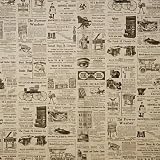
- Classic Times Newspaper Prints: Add a vintage touch to your gifts with tissue paper made to look like antique newspaper prints - Evoke nostalgia of days gone by
- Perfect for filling gift bags and boxes, wrapping presents, crafting, decoration, etc - Great for many occasions, like birthdays, holidays, weddings, Christmas, and more
- Dimensions: 20" wide x 30" long
- Quantity: 24
Product prices and availability are accurate as of the date/time indicated and are subject to change. Any price and availability information displayed on Amazon at the time of purchase will apply.




