Sometimes—but the age of a film and the “4K” label alone do not tell you whether an upgrade is worthwhile. Check the specific edition’s restoration and presentation, compare it with the version you already own, and account for the cost of compatible playback equipment. A UHD disc can be a compelling purchase for a film you value, but not every release delivers a visible improvement over an existing Blu-ray or stream.
What does “4K” mean for an older movie?
For home displays, 4K UHD means a resolution of 3840 × 2160 pixels, according to The Criterion Collection’s technical FAQ. That number describes the display format; it does not, by itself, explain how a film was restored or mastered.

A 4K restoration and a 4K UHD disc are different things. Criterion explains that a 4K restoration released on a standard Blu-ray is presented at standard HD resolution, while a UHD disc can present it at UHD resolution. A player may also upscale an HD Blu-ray, but upscaling is not the same as playing native UHD content; Panasonic’s explanation distinguishes the two.
The result depends on the particular film source, restoration choices, master, encoding, and display. The available evidence does not establish that every older film contains the same recoverable detail or that every UHD release looks better than every prior edition. Treat “4K” as a format clue, not a guarantee of a worthwhile upgrade.
Outdated Drivers Are Slowing You Down
One free scan finds every outdated or missing driver and matches the right update for your exact hardware.Free scan · exact hardware matchWindows Errors? Fix Them Before They Spread
Repair common Windows errors and clear accumulated junk for a smoother, more stable PC - no reinstall needed.Free scan · no reinstall#1 Best Overall
When is buying an older movie in 4K worth it?
- The edition offers a presentation you value. Look for specific information about the source, restoration, mastering, HDR, and approval or supervision—not just the resolution in the title.
- You are upgrading from a meaningfully older version. Compare the UHD edition with the exact DVD, Blu-ray, or digital version you own. A new restoration may matter more if your current copy is dated than if you already have a recent restoration.
- The package adds useful material. Commentaries, alternate versions, documentaries, essays, or a bundled Blu-ray can make a purchase more attractive even when the picture upgrade is not your only reason.
- You will watch or collect it enough to justify the cost. Consider the edition’s current price, any equipment you would need to buy, and how often you expect to revisit the film. Prices and stock change, so check the specific retailer before deciding.
- Your setup can play the format. A UHD disc requires a UHD-capable player; HDR benefits require compatible equipment as well.
A concrete example of edition-specific detail is Criterion’s 1983 film Videodrome. Its listing identifies a 4K digital restoration of the unrated version approved by director David Cronenberg, a UHD disc with Dolby Vision HDR, and a Blu-ray containing the film and special features. The listed supplements include two audio commentaries, a short film, a documentary, interviews, a roundtable, trailers, and an essay. Those are reasons a particular buyer might choose that edition; they do not show that every older movie’s UHD release offers the same improvements or extras.
How to check whether a specific UHD edition is an upgrade
- Find the edition’s restoration and mastering notes. Check the label’s release page for the source or film element, restoration or scan details, who approved or supervised the work, and whether the release specifies HDR. If the information is vague or missing, do not assume the disc uses a new restoration.
- Compare like with like. Identify the exact edition you already own. A UHD disc may be a more significant change from an old DVD than from a recent Blu-ray restoration, but the release notes and presentation—not age alone—should guide the comparison.
- Check the physical package. Confirm which discs are included, whether the Blu-ray carries the film or supplements, and whether the edition has extras or alternate versions you want.
- Check your playback chain. Verify the player, display, HDR format support, and HDMI connection before paying for a UHD disc or expecting an HDR presentation.
- Compare the available ways to watch. Consider whether you prefer a physical edition and its extras or the convenience of a supported digital option. Compare the specific versions available rather than assuming all discs or streams have the same quality.
What equipment do you need?
To view UHD images from a disc, Criterion specifies a UHD TV, monitor, or projector, a UHD disc player, and 4K-capable HDMI cables. A standard Blu-ray player cannot play a UHD disc. An Ultra HD Blu-ray player can also play HD Blu-rays and DVDs, according to Criterion and the Blu-ray Disc Association, which can help you keep using an existing collection.
Rank #2

- Return to Pandora for the third chapter of Marine turned Na’vi leader Jake Sully and his family. Reeling from one death, the Sullys set out to prevent another — aided by the Wind Traders. But on the way, they’re attacked by the Ash People, who blame Eywa for their ravaged home. Warning: Some flashing-lights scenes may affect photosensitive viewers.
HDR is a separate compatibility check: both the player and display need to support the HDR format. Criterion says HDR10 is the fallback playback format when compatible equipment does not support Dolby Vision or HDR10+. If your display does not support HDR, the image can still be output through HDR-to-SDR conversion, but you should not expect HDR benefits on that screen.
A larger screen or projector can make resolution differences easier to notice, as Criterion notes, but it does not guarantee that a particular release will look better. If you are considering buying a player as well as a film, include that equipment cost in the decision rather than evaluating the disc in isolation.
Rank #3
![Harry Potter: 8-Film Collection [4K Ultra HD + Blu-ray]](https://m.media-amazon.com/images/I/514OqH0FqSL._SL160_.jpg)
- Harry Potter: 8 Film Collection (4K)
Should you choose a disc or a 4K stream?
A stream may be more convenient, but UHD access depends on the title, licensing, and supported devices. YouTube’s help page says UHD movie availability depends on studio licensing and eligible playback devices. It recommends a consistent download speed of at least 15 megabits per second for UHD playback on YouTube; that is YouTube-specific guidance, not a universal requirement for every streaming service. YouTube playback may fall to HD or SD if bandwidth is insufficient.
Compare the exact versions on offer: the film’s presentation, extras, convenience, device support, and whether you want to own a physical edition. The available evidence does not establish a general measured bitrate comparison across UHD Blu-ray and all streaming services, so it cannot support a blanket claim that discs always look better than streams.
Rank #4
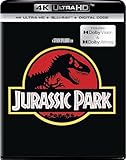
- Runtime: 127 minutes
What restoration can—and cannot—tell you
A restoration can involve work on a film element or its digital presentation, but the word alone does not specify the finished disc’s resolution or guarantee a result you will prefer. The British Film Institute describes digital restoration as aiming to “undo” wear and tear from successive copying and use; that statement appears in its discussion of sound restoration, so it should not be read as a claim that every picture restoration produces the same outcome.
The BFI also says a 90-minute feature-film soundtrack can typically take up to 100 hours or more to completely restore or remaster. That figure concerns soundtrack work, not a universal timeline for restoring a film’s picture. Restoration effort and outcome are specific to the material and work involved.
Quick Recap
Best Value

- Genre: Science Fiction
- Number of Discs: 3
- Number of Tracks: 0
- Playback Duration: 169
- Rating: PG13
Product prices and availability are accurate as of the date/time indicated and are subject to change. Any price and availability information displayed on Amazon at the time of purchase will apply.




