The Tool Desk
Outbyte PC Repair FREEClear out junk files and repair common Windows errorsFree Scan →Outbyte Driver Updater FREEScan for outdated or missing drivers - takes under a minuteDriver Scan →Apple’s iPhone 17 launch lifted its China smartphone sell-out by 22% year over year in the first month of availability, Counterpoint Research reported. Xiaomi’s smartphone sell-out rose 21% during the first month of Xiaomi 17 availability. Those figures show stronger reported growth for Apple in the respective launch windows, but they do not prove that the iPhone 17 series sold more units than the Xiaomi 17 series: the public figures are growth rates, not comparable unit totals.
What the China sales figures actually show
Counterpoint compared each brand’s first month with its new flagship series against the corresponding prior-generation period. Apple’s iPhone 17 window was September 19–October 19, 2025; the iPhone 16 comparison window was September 20–October 20, 2024. In those periods, Apple’s China smartphone sell-out increased 22% year over year. Xiaomi’s overall smartphone sell-out increased 21% year over year during the first month of Xiaomi 17 availability. Counterpoint’s report also says the iPhone 17 series accounted for nearly four out of five iPhones Apple sold in the cited period.
These are launch-window comparisons, not full-quarter or full-year results. Counterpoint’s publicly available figures do not give a like-for-like unit count for the iPhone 17 and Xiaomi 17 families. A 22% increase from Apple’s prior-year base cannot be compared directly with a 21% increase from Xiaomi’s different base to determine which series sold more phones.
Sell-out is not shipments, activations or market share
Counterpoint describes sell-out: phones sold through to consumers. That differs from shipments, which measure devices sent into retail channels, and from activations or registrations. It is also not revenue. The reported growth rates concern China smartphone sell-out in each brand’s respective launch period; they do not establish a ranking by units, revenue or market share.
What’s actually slowing this PC down?
Pick the symptom - the matching free tool is one click away.
#1 Best Overall

- This phone is unlocked and compatible with any carrier of choice on GSM and CDMA networks (e.g. AT&T, T-Mobile, Sprint, Verizon, US Cellular, Cricket, Metro, Tracfone, Mint Mobile, etc.).
- Please check with your carrier to verify compatibility.
- When you receive the phone, insert a SIM card from a compatible carrier. Then, turn it on, connect to Wi-Fi, and follow the on screen prompts to activate service.
- The device does not come with headphones or a SIM card. It does include a generic (Mfi certified) charger and charging cable.
- Tested for battery health and guaranteed to have a minimum battery capacity of 80%.
- Growth is not volume leadership: the reported 22% and 21% rates compare each brand with its own prior-year period.
- A strong series is not the whole brand: the iPhone 17 family’s performance does not by itself establish Apple’s annual China results, and the Xiaomi 17 family is not all Xiaomi sales.
- A launch month is not a durable trend: launch timing and holiday demand can affect a short observation window.
- China is not Greater China: the cited figures are for China, not a combined regional total.
For that reason, “Apple gained ground” is defensible here as a description of launch-period sell-out momentum, not as a claim that Apple took market share from Xiaomi or regained a particular market position.
Why Apple’s iPhone 17 launch gained momentum
Counterpoint identified the standard iPhone 17 and Pro models as important drivers and pointed to a possible upgrade cycle among people who bought phones during the COVID-era period. It also noted that Apple and Xiaomi launched ahead of China’s Mid-Autumn Festival shopping period. These are analyst explanations, not proof that any single factor caused the growth.
Rank #2
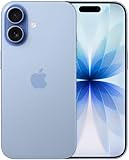
- This phone is unlocked and compatible with any carrier of choice on GSM and CDMA networks (e.g. AT&T, T-Mobile, Sprint, Verizon, US Cellular, Cricket, Metro, Tracfone, Mint Mobile, etc.).
- Please check with your carrier to verify compatibility.
- When you receive the phone, insert a SIM card from a compatible carrier. Then, turn it on, connect to Wi-Fi, and follow the on screen prompts to activate service.
- The device does not come with headphones or a SIM card. It does include a generic (Mfi certified) charger and charging cable.
- Tested for battery health and guaranteed to have a minimum battery capacity of 80%.
Apple’s China launch positioning paired a 256GB starting configuration with a RMB 5,999 launch price, the same starting price as the prior generation’s launch positioning, according to Apple’s China launch announcement. Apple lists a 6.3-inch ProMotion display, A19 chip, 48MP main and ultrawide cameras, and an 18MP Center Stage front camera on its China iPhone 17 product page. Those changes help describe the upgrade proposition; the sales figures do not isolate their individual effect.
Apple said preorders in China began September 12, 2025, at 8 p.m. China Standard Time, with official sales beginning September 19. The launch announcement listed 256GB and 512GB storage options and estimated trade-in values of RMB 1,100 to RMB 6,550 for qualifying iPhone 13-or-later devices, subject to inspection and terms. A trade-in estimate is not the phone’s retail price or a guaranteed discount for every buyer.
Crashes, No Sound, or Screen Glitches?
Random freezes, missing sound and display glitches usually trace back to one bad driver. Find and replace yours safely.Free scan · under a minuteWindows Errors? Fix Them Before They Spread
Repair common Windows errors and clear accumulated junk for a smoother, more stable PC - no reinstall needed.Free scan · no reinstallRank #3

- This phone is unlocked and compatible with any carrier of choice on GSM and CDMA networks (e.g. AT&T, T-Mobile, Sprint, Verizon, US Cellular, Cricket, Metro, Tracfone, Mint Mobile, etc.).
- Please check with your carrier to verify compatibility.
- When you receive the phone, insert a SIM card from a compatible carrier. Then, turn it on, connect to Wi-Fi, and follow the on screen prompts to activate service.
- The device does not come with headphones or a SIM card. It does include a generic (Mfi certified) charger and charging cable.
- Tested for battery health and guaranteed to have a minimum battery capacity of 80%.
Why Xiaomi’s launch remains a meaningful comparison
Xiaomi’s reported 21% growth is also strong launch-period momentum; it is not evidence that Xiaomi lost ground to Apple. Counterpoint said Xiaomi’s Pro and Pro Max models made up most Xiaomi 17 series sales, a shift from the prior year’s pattern when the base model was the main seller. The report also cited the series’ rear-display design and earlier-than-expected launch as possible contributors, while noting stronger positioning in higher price segments.
A richer mix of premium models can matter for average selling price and revenue even when unit volume is unknown. But the public growth figures do not establish Xiaomi’s series units, revenue, profit, or whether any sales came at Apple’s expense. Xiaomi’s official China product page lists the family, but the available page information does not provide a clear base-model price suitable for a verified price comparison.
Rank #4
- This phone is unlocked and compatible with any carrier of choice on GSM and CDMA networks (e.g. AT&T, T-Mobile, Sprint, Verizon, US Cellular, Cricket, Metro, Tracfone, Mint Mobile, etc.).
- Please check with your carrier to verify compatibility.
- When you receive the phone, insert a SIM card from a compatible carrier. Then, turn it on, connect to Wi-Fi, and follow the on screen prompts to activate service.
- The device does not come with headphones or a SIM card. It does include a generic (Mfi certified) charger and charging cable.
- Tested for battery health and guaranteed to have a minimum battery capacity of 80%.
What the price comparison can—and cannot—tell buyers
Apple’s stated China launch price of RMB 5,999 was for the 256GB iPhone 17. That is a dated launch price, not necessarily a current transaction price. Retail coupons, trade-ins, subsidies, carrier bundles and storage choices can all change what a buyer pays. Because a verified comparable Xiaomi 17 base price is not established here, it would be misleading to declare one phone cheaper or better value on price alone.
For an actual purchase comparison, check prices on the same date, at the same storage capacity and product tier, and distinguish official list prices from promotional or trade-in-adjusted totals. China-market models and international versions may also differ, so confirm regional specifications and software support before buying.
What would confirm a lasting Apple recovery?
A durable change in Apple’s China position would require evidence beyond one launch month: later-period sell-out, full-quarter or annual market-share data, activation trends, and performance after launch promotions and seasonal demand have passed. Comparisons should also account for Huawei and other domestic brands, as well as the wider market. The figures cited by Counterpoint establish a strong iPhone 17 launch and a small advantage in reported year-over-year growth over Xiaomi’s launch-period result; they do not establish a market-share reversal or a direct unit victory.
Quick Recap
Product prices and availability are accurate as of the date/time indicated and are subject to change. Any price and availability information displayed on Amazon at the time of purchase will apply.




