To track expenses and stick to a budget, record what you spend using a method you can keep up with, compare those records with a realistic monthly plan, and review the difference regularly. Start with a month of transactions if you can; if that feels like too much, track one or two weeks first and build the habit from there.
1. Get a clear picture of your monthly money
Start with take-home income and the money that actually leaves your accounts. Gather bills, bank and card statements, receipts, and any other records you have. Include regular purchases as well as income beyond wages. For a fuller picture, look back over several months so occasional expenses do not disappear from your plan.
If your income varies, consumer.gov suggests estimating a monthly amount by adding last year’s income and dividing by 12. Treat that as a planning estimate, not a guarantee of what you will receive in any given month. See consumer.gov’s budget guidance.
2. Choose a tracking method you will actually use
There is no single required tool. CFPB recommends choosing an easy way to record income and spending, such as a daily journal or receipts reviewed at the end of each week. The practical difference between methods is how much work they require, whether they capture cash, and whether you are comfortable using digital services.
Do these 3 things before closing this tab:
1Clear out junk files and repair common Windows errors2Fix the driver behind crashes, sound loss and screen glitches3Repair Windows errors before they cause bigger problems#1 Best Overall

- Effective Budget Plan Book – Take control of your finances with the SUNEE budget account book. This all-in-one budget planner allows you to plan and track your income, expenses, savings, and financial goals. Its intuitive layout and easy-to-use sections help you stay organized and make smart decisions to reach financial success. Our financial planner also included a comprehensive guidebook with valuable tips and instructions to help you get the most out of your budgeting planner.
- Full-Page Calendars – Each month’s full-page calendar provides plenty of space to track paydays, bills due dates, appointments, and important events. No more cramped boxes or tight writing areas, you can easily plan and organize your schedule at a glance.
- Colorful Pages Layout and Tabs – This vibrant budget planner features a user-friendly design for easy navigation and organization. Each month includes dedicated budget pages to set financial goals, track income, and plan expenses. Additional sections like debt trackers, savings goals, and bill payment trackers make managing your finances a breeze. The colorful backgrounds on each page offer clear, instant visibility.
- Bonus 4 Stickers and Convenient Design – This monthly budget planner is built for convenience and durability. Water-resistant cover protects against spills, while the elastic band keeps everything secure, and the dual-sided pocket offers extra storage. Plus, we’ve included 4 adorable sticker sheets to personalize your planner and make budgeting more enjoyable. Experience a budget planner that combines practicality with lasting quality.
- UNDATED DESIGN & 1 YEAR USE - Undated finance books start with 1 page-financial goals, 1 page-Mind Map, 1 page-Financial Strategy, 1 page-Tactics, 2 pages-Important Dates, 4 pages-Bill Tracker, 4 pages-Saving Tracker, 8 pages-Debt Tracker, followed by 12 Months(10 pages per month, 1 unique color for each month). 2 pages-Christmas Budgeting, 2 pages-Yearly Summary, 2 pages-Check Register and 12 pages-Notes(dotted). It is UNDATED, so you could start at any time, suitable for 1 year use.
| Method | Works well for | Trade-off |
|---|---|---|
| Notebook or daily journal | Recording cash purchases and keeping everything in one simple place. | Requires manual entry. CFPB lists a small notebook as an option. |
| Receipts | Capturing purchases for a weekly or monthly category review. | You must sort and total them; write down cash purchases when there is no receipt. |
| Bank and card history | Reviewing recurring electronic purchases and looking back across several months. | Cash purchases may not appear. |
| Free worksheet | Following a structured process without buying a tool. | Entries and totals still need to be completed. CFPB and consumer.gov offer worksheets and trackers. |
| Personal finance tool | People who prefer a digital record; CFPB notes that bank or credit-union tools and private tools are options. | Features, prices, and privacy practices vary. Check them directly before choosing a service. |
Use one main method rather than scattering records across several places. If you already have a notebook or access to a free worksheet, that is enough to begin.
3. Track long enough to see patterns
A complete month can reveal bills and spending that happen only once during the month. If that is not manageable yet, begin with one or two weeks and treat the result as a first look, not a complete monthly picture. The CFPB’s spending-tracker guidance recommends tracking for at least two weeks or even a month.
Rank #2
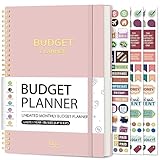
- Effective Budget Planning - Take control of your finances with the budget account book. This comprehensive planner allows you to plan and track your income, expenses, savings, and financial goals in one convenient place. With its intuitive layout and easy-to-use sections, you can stay organized and make informed decisions to achieve financial success.
- User-Friendly Layout - The budget planner features a user-friendly layout designed for easy navigation and organization. Each month, you'll find dedicated budget pages where you can set financial goals, track your income, and plan your expenses. Additional sections include debt trackers, savings goals, bill payment trackers, and more, making it simple to stay on top of your finances.
- Undated Monthly Calendar & Bonus Stickers - Featuring undated calendar each month, you'll have ample space to mark paydays, bills due, appointments, and important dates. Say goodbye to difficult writing spaces. Plus, we've included 3 cute sticker sheets that allow you to personalize your financial organizer and make budgeting more fun. Dates are not pre-printed and are completed by the user.
- Reliable and Convenient Design - Our monthly budget planner is designed for your convenience and built to last. The elastic band keeps everything securely in place, and the dual-sided pocket provides extra storage. Experience a budget planner that combines practicality and durability.
- Master Budgeting with Ease - Our financial planner includes a complete guidebook that provides valuable insights and instructions for optimal usage. From setting financial goals to tracking expenses, this guidebook offers step-by-step guidance and practical tips. Whether you're new to budgeting or an experienced user, this resource will help you make the most of your budget planner, empowering you to achieve financial success.
Record purchases as they happen, or set a recurring time to enter them from receipts and account history. For cash spending, use a written log or keep receipts so those purchases are not left out. CFPB’s spending tracker is one worksheet-based option.
4. Categorize spending and look for pressure points
Group transactions into categories that make sense for your household. Common ones include housing, utilities, food, transportation, debt payments, subscriptions, entertainment, and smaller purchases. Separate needs and obligations from wants to see where you have flexibility; that distinction is a planning aid, not a judgment about what matters to you.
Rank #3

- Budget Planner: Stay on top of your finances and achieve your financial goals with our A5 Budget Planner. This beautifully designed budget book combines functionality and style, empowering you to effectively manage your budget month after month.
- Classic Design: The elegant pink cover with the striking "Budget Planner" in gold adds a touch of sophistication to your financial planner. Carry it with pride and make a statement as you take charge of your financial.
- Comprehensive Layout: Our monthly budget planner features a well-thought-out layout that simplifies your budgeting process. With a dedicated monthly budget page, four expense tracking pages, a monthly summary, and a notes section, you have all the tools you need for effective financial planning.
- 14-Month Duration: Unlike many other planners on the market, ours covers a total of 14 months, giving you an extended period of financial organization. Now you can make income and expense records at any time, ensuring every financial decision aligns with your long-term goals.
- Premium Quality and Convenience: Crafted with attention to detail, this budget planner boasts superior quality. The sturdy pink and gold coil binding allows for effortless flipping, while the A5 size makes it the perfect companion for your daily adventures, fitting into your bag or backpack without taking up too much space.
- Look for recurring charges, fees, or subscriptions you no longer use.
- Notice whether spending differs between weekdays and weekends.
- Check whether small purchases add up to a category that needs a more realistic allowance.
- Include cash purchases alongside the transactions shown in your accounts.
Reviewing spending can help you make choices that align with your goals. As CFPB puts it, “Using a spending tracker provides clarity around your spending habits and can help you make decisions to meet your financial goals.” The statement appears in its June 11, 2019 tracker article.
5. Build a monthly budget from what you found
Use your take-home income and spending record to make a plan for the coming month. List bills and other obligations first, then assign amounts to flexible categories and savings. Include a miscellaneous category for unexpected costs rather than assuming every month will go exactly to plan.
Rank #4

- 【Take Control Of Your Money】Easily plan your monthly budget, track income & expenses, and stay on top of your finances. This budget planner helps you clearly see where your money goes and avoid overspending.
- 【Designed For Real Life Use】Perfect for young professionals, families, students, and anyone working toward financial goals. Whether managing daily expenses or planning long-term savings, this budget book keeps everything organized.
- 【All-In-One Budget System:】Our monthly budget planner features a well-thought-out layout that simplifies your budgeting process. Includes monthly budget pages, expense trackers, bill organizers, savings goals, and debt trackers. Everything you need to manage money in one convenient planner.
- 【12-Month Duration】Our budget planner covers a total of 12 months, giving you an extended period of financial organization. Now you can make income and expense records at any time, ensuring every financial decision aligns with your long-term goals.
- 【Premium Quality and Convenience】Crafted with attention to detail, this budget planner boasts superior quality. The sturdy pink and gold coil binding allows for effortless flipping, while the metal corner protectors effectively prevent damage to the cover, ensuring long-lasting durability.
Do not base the plan only on this month’s bills. CFPB recommends looking across several months for costs that do not arrive monthly, such as insurance, medical expenses, school clothes, tuition, family support, seasonal expenses, gifts, charity, and vacations. Set aside money for these items in the months when you can, so their arrival is less likely to derail the plan. Include savings contributions as a budget line as well. More detail is available in CFPB’s spending assessment.
Independent reader supportYour contribution helps us test, update, and keep practical guides available for everyone.6. Compare the plan with actual spending
At the start of the month, set category limits or targets. Keep recording purchases during the month, then compare each category’s actual total with the amount you planned. Use the difference to adjust the next month’s plan: if a category repeatedly runs over, either find a change that is realistic for you or raise its planned amount and reduce another category by choice.
Quick wins for a faster PC:
Clear out junk files and repair common Windows errorsFree Scan →Scan for outdated or missing drivers - takes under a minuteDriver Scan →Repair Windows errors before they cause bigger problemsFix Now →Best Value

- EFFECTIVELY MANAGE YOUR MONEY - Our budget planner helps you take control of your finances by providing sections for financial goals, savings, debts, daily expenses, monthly budget, monthly budget review. This finance planner is a good finance book and will help you manage your money effectively.
- PREMIUM QUALITY - Our budget planner is made with high-quality 100gsm paper that reduces ink leakage, fraying, and shade issues. The sturdy and flexible cover,, helps protect the pages. The metal lay-flat twin-wire binding ensures durability and longevity.
- ORGANIZED MONTHLY GOALS & BUDGETS - Our 12-month budget planner helps you set monthly goals, budgets, reviews, and develop good monetary habits, strategies, and action plans. Write down monthly financial goals, put reminders of bills and payments on the calendar, plan your monthly budget in each category, track daily expenses, and review the monthly budget at the end of the month.
- FLEXIBLE USAGE - Our undated finance planner allows you to start at any time and place, making it convenient to use. It has a perfect size of 8.6x5.9 inches and fits in every bag, so it's always at hand.
- CREATE FINANCIAL FREEDOM - Our budget planner is your chance to develop monthly habits, monetary strategies, and action plans to start your journey to long-term financial freedom. It allows you to track monetary flow and review each area for improvements. With this 1-Years budget book, you can take the first step towards financial freedom.
Make the review routine small enough to maintain. You might check transactions weekly and do a fuller comparison at month-end. CFPB’s budgeting guidance describes planning at the start of the month, tracking purchases daily, and comparing the plan with actual spending at month-end.
7. Make the habit easier to repeat
Tracking can feel like a hassle, and having a budget does not automatically mean you will compare it with your spending. Reduce the work: use the least complicated tool that captures your transactions, start with a shorter tracking period if needed, and attach reviews to a routine you already follow. The goal is a record and plan you revisit, not a perfect spreadsheet you abandon.
Some people may also find real-time feedback useful. In a 2017 study, CFPB reported that over 90 percent of the consumers it talked with were interested in a tool or mobile application offering real-time spending feedback. That figure describes the consumers in that research; it is not a universal adoption rate, and it does not show that a particular app will make users stick to a budget. See CFPB’s Consumer insights on managing spending.
A simple first-week checklist
- Choose a notebook, receipt folder, account history, or free worksheet.
- For one week, record every purchase, including cash.
- Sort the records into a few useful categories and note recurring charges.
- Gather income and bills, then decide whether you can track for the rest of the month.
- At month-end, compare actual totals with your plan and set next month’s amounts, including savings and less-frequent costs.
For a step-by-step worksheet approach to making and using a budget, see consumer.gov’s “Making a Budget”. These U.S. federal consumer-education resources are general guidance, not a personalized financial plan.
Quick Recap
Product prices and availability are accurate as of the date/time indicated and are subject to change. Any price and availability information displayed on Amazon at the time of purchase will apply.




