Recommended Free Tools
To start an online consignment shop, choose a focused category, test that buyers and consignors want it, map the costs and workflow, check the rules where you operate, and put clear written terms in place before accepting goods. Then build item-level inventory records, create a storefront that earns trust, and market a specific reason for customers and consignors to return.
How online consignment works
A consignment shop sells goods on behalf of their owners. The owner, or consignor, retains ownership under the agreed terms; the shop, or consignee, handles some or all of the listing, sale, customer service, and fulfillment, then pays the consignor according to the agreement. The shop typically earns a commission or fee from a sale. The exact division of work, money, and risk depends on the written agreement, so “no inventory purchase” does not mean “no operating costs.”
That distinction matters for both cash flow and recordkeeping: each item needs to stay linked to its owner until it is sold, returned, or otherwise handled under the agreement.
1. Choose a niche you can source and evaluate
Start with a category where you have knowledge, access to reliable consignors, or both. Fashion, shoes, jewelry, furniture, antiques, art, instruments, sports gear, collectibles, toys, and baby accessories are possible categories, but a broad assortment is not automatically an advantage. For used or one-of-a-kind goods, you need to describe condition accurately and, where relevant, assess authenticity.
Quick wins for a faster PC:
Scan for outdated or missing drivers - takes under a minuteDriver Scan →Repair Windows errors before they cause bigger problemsFix Now →Fix the driver behind crashes, sound loss and screen glitchesFind Drivers →#1 Best Overall

- Holds Up to 300 lb: This heavy duty Z rack carries up to 300 lb of hanging clothes, making it a workhorse for stockrooms, receiving areas and back rooms.
- Compact 36 in Size: Measures 36 in W x 24 in D x 68 in H, about half the hang space of a full size Z rack, so it fits smaller stockrooms and tight spaces.
- 4 in Locking Casters: Industrial 4 in casters roll the rack where you need it and lock to keep it in place while you load or unload.
- Nests to Save Space: The Z base design nests directly into other Z racks, so several racks store together in a small footprint.
- Built for Daily Use: Brushed chrome uprights on a black Z base suit retail stores, thrift and consignment shops, dry cleaners and home garment storage.
Before investing in a full storefront, compare competing shops’ assortment, pricing, presentation, and customer experience. Talk to prospective buyers and consignors to test whether your proposed category and service solve a real problem. Look for a specific gap—such as a specialist audience, a more dependable intake process, or unusually clear condition descriptions—rather than relying on a generic promise to be “unique.”
2. Plan the finances and operating model
Write down who you intend to serve, what you will accept, how you will source items, how customers will find you, and how an item moves from intake to payout. Estimate startup and ongoing costs before deciding what commission the business needs to retain.
- Store and payments: ecommerce platform costs, payment processing, and any tools needed to track consignor ownership and payouts.
- Item preparation: intake labor, photography, measurements, descriptions, cleaning, authentication, and repairs where offered.
- Storage and fulfillment: shelving or storage, packaging, shipping, tracking, returns, and the labor required to pick and pack orders.
- Customer acquisition: marketing, events, and the time required to build relationships with buyers and consignors.
Consigned goods may avoid an upfront purchase price, but they still consume time, space, and money. Model the full transaction: sale proceeds, payment and platform fees, preparation and fulfillment costs, the consignor’s agreed share, and the shop’s remaining margin. Include a plan for items that take longer to sell or require markdowns.
Rank #2
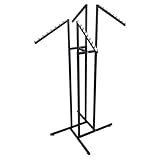
- Four Adjustable Slant Arms: Show four styles, colors or sizes at once. Each 18 in slant arm has 8 balls on top that keep hangers spaced and in place.
- Adjustable Arm Height: Each arm adjusts from 48 to 72 in high in 3 in steps with push buttons, so you can set long dresses high and shirts or kids clothing low.
- Steady Steel Build: A carbon steel frame on a 32 x 32 in base, with welded end caps and adjustable leveler glides that keep the garment rack level on uneven floors.
- Black with Chrome Accents: The black matte finish with chrome accents matches most store fixtures and gives boutiques and showrooms a clean, modern look.
- Retail Display Rack: Use it as a clothing display in retail stores and boutiques, as a store display at vendor events and trade shows, or for extra garment storage at home.
3. Check the rules for your location
Business registration, licenses, resale permits, tax obligations, and rules that apply to secondhand dealers vary by jurisdiction. Requirements can depend on where your business is based and where it buys or sells. There is no single checklist that applies to every online consignment shop.
The Tool Desk
Outbyte Driver Updater FREEScan for outdated or missing drivers - takes under a minuteDriver Scan →Outbyte PC Repair FREEClear out junk files and repair common Windows errorsFree Scan →Check official state and local government agencies for the places relevant to your operation, and consult a qualified legal or tax professional when you need help applying the rules. Do this before accepting goods or making assumptions about how sales should be reported.
4. Set consignor criteria and put the terms in writing
Make your intake standards clear before someone submits an item. Specify the categories, condition, brands or attributes you accept; any authentication checks you perform; and whether you can decline goods. A predictable intake process saves time and helps consignors understand what your shop is—and is not—equipped to sell.
Rank #3
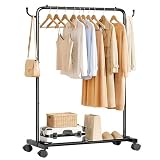
- Heavy-Duty Garment Rack with 120LB Capacity: Sturdy metal holds 120LB (wheels on ). Securely hang coats/dresses on 88LB metal rod; store shoes/luggage/Storage Bins on 100LB double-bar base
- Versatile Storage: Rod, Hooks & Shelves: Hang shirts/dresses on metal rod; bags/hats on side hooks; shoes/luggage on double-bar base. Converts instantly from wardrobe to travel storage or seasonal coat rack
- Multi-Space Clothing Rack for Home/Store: Roll between bedroom (clothing organizer), entryway (coat stand), laundry room (drying rack), and boutique (apparel display). Compact 31.5"W x 52"H fits apartments, garages, pop-up shops, and guest rooms
- 4-Wheel Mobile Clothes Organizer: Lockable wheels move 100LB loads smoothly. Reinforced steel frame ensures durability for daily commercial use in gyms, dry cleaners, or event venues. Effortless mobility meets heavy-duty stability
- 15-Min Assembly with Tools Included: Pre-drilled parts + provided tools = single-person setup under 15 minutes. No extra hardware needed – ready for bedroom closets, garage storage, or retail displays instantly
The agreement should explain the practical details of the relationship in plain language:
- Items and term: which goods are accepted and how long the consignment lasts.
- Price and markdowns: who sets the starting price, who can approve or make reductions, and when discounts may apply.
- Commission: the shop’s share or fee and the amount to which it applies.
- Payouts: when and how the consignor is paid, including how returns, cancellations, or payment reversals affect a payout.
- Loss or damage: who is responsible if an item is lost, stolen, or damaged while in the shop’s possession.
- Unsold goods: what happens when the term ends, how the owner is notified, and how and when the item can be reclaimed.
These terms prevent avoidable disagreements about pricing, money, and custody. Have a qualified professional review the agreement if you need advice on how it should work under local law.
Free tools Windows power users keep installed
One-click scans. No signup required.
5. Track every item from intake through payout
Assign each accepted item a unique identifier and connect its record to the consignor who owns it. A spreadsheet may suit a small, low-volume operation if it is consistently maintained; a more complex shop may need software that can track consigned ownership, sales, and amounts due. Whatever the tool, keep the item’s status visible so it is not mistakenly treated as owned stock or sold after it has been returned.
Rank #4

- Premium Material; Our heavy duty clothes racks are made of quality metal with durable oating to enhance protection against water, scratch, strong and stable and not easy to bend
- Rolling Coat Rack Size: Straight arm is 15 inches, Height base 45.66x19.68inches, adjustable from 48 inches to 72 inches adjustable, floor-standing metal garment rack Weight: 33lbs/15kg
- Mobile Rack; The shirt display stand comes with 8 wheels that rotate 360°- 4 wheels with brakes, so you can easily move it anywhere you want
- Shirt Rack Unique; With 6 way clothing rack to create two tiers on this display it gives the clothe or handbags you hang on them easier visibility and a retail display racks more unique look, 5-speed adjustable
- Easy To Assemble Clothes Storage Rack: The merchandise display rack garment rack comes with detailed numbered parts assembly instructions to ensure you can easily set up
For each item, record:
- Consignor and unique item identifier
- Description, condition, and item-specific images
- Agreed listing price and markdown terms
- Date accepted and consignment end date
- Where it is listed and whether it is available, sold, returned, or otherwise resolved
- Sale amount, applicable deductions under the agreement, and payout due
Reconcile sales and consignor payouts on a regular schedule. In a higher-volume workflow, barcode labels or a scanner may make it easier to identify individual pieces, but they are optional tools, not a substitute for accurate ownership and payment records.
Independent reader supportYour contribution helps us test, update, and keep practical guides available for everyone.6. Build a storefront that makes unusual items easy to trust
Organize the store around its niche and make navigation straightforward on mobile. For a unique used item, use photographs of that actual item and disclose meaningful wear, measurements, materials, and condition. A generic stock image cannot show a one-of-a-kind piece’s actual state.
Make the policies customers need before checkout easy to find: shipping and handling times, returns, authentication practices if offered, and how condition is described. Explain the consignor process separately so prospective sellers can understand what you accept and what happens after intake. Clarity reduces uncertainty for both sides of the transaction.
Best Value
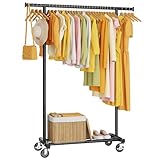
- 【Easy Assembly】The easy-to-assemble design with thread-rolling allows for quick and hassle-free install, saving your time and effort. The clothes rack has a clear instructions, a helpful video—so you can set it up in 15 minutes.
- 【Movable 360° Wheels】Equipped with four PP material wheels for smooth rolling in any direction, making it easy to reposition your clothing rack as needed. Two lockable wheels provide a secure and stable stop, ensuring your rack stays firmly in place when needed.
- 【Sturdy & Perfect Height】Built with 25.4mm reinforced steel pipes, this rack delivers rock solid stability (180 lbs capacity) , while its 63.8" height allows you to hang many pieces of clothes from short tops to long dresses—no bending, no wobbling, no dragging hems!
- 【Multiple Uses】It is suitable for living room, bedroom, home, apartment, clothing store or commercial use, and it is very suitable for providing additional clothing storage to display boutique goods, or to provide space for clothing display in theaters or studios.
- 【Professional Customer Support】Our dedicated support team is always ready to assist with any questions or concerns. If you have any issues before or after your purchase, you can contact us and we will respond within 24 hours. Your satisfaction is our goal.
7. Price for the whole sale and choose how to fulfill it
Use comparable items to understand likely demand, then account for condition and the costs of selling yours. Include the agreed consignor share, platform and payment fees, photography and preparation, storage, packaging, shipping, returns, cleaning, and repairs where applicable. Confirm that the shop’s retained amount covers its work. The agreement should already establish who controls markdowns, so the price plan and consignor expectations do not conflict.
Decide before launch whether you will pack and ship orders yourself or use a third party. Self-fulfillment offers direct control but requires space and staff time. A fulfillment provider may handle storage and dispatch, but its costs and processes must work for unique items, including item identification, careful handling, tracking, and returns. Set handling times, packing standards, shipping methods, and return procedures before publishing listings.
8. Stand out with a reason to come back
Make differentiation a real capability customers can experience. A shop might specialize in a narrow audience, publish consistent item drops, offer careful condition descriptions, provide specialist knowledge, or make consigning unusually convenient. Cleaning, repair, or authentication can also support a distinct offer if you actually provide those services and explain their scope.
Choose marketing channels that fit the people you want to reach: social media, email, local outreach, and events can each play a role. Keep sourcing and promotion aligned; advertising a specialty is useful only if the shop can consistently find and evaluate suitable items. Track which categories and channels lead to qualified buyers and repeat consignors, then adjust the assortment and workflow based on what those records show.
What resale-market projections can—and cannot—tell you
Shopify’s consignment explainer, citing ThredUp’s 2025 report, reports projections of $74 billion for U.S. secondhand clothing sales and $40 billion for U.S. online resale by 2029: Shopify’s consignment guide. These are forecasts, not current realized market sizes, and broad market growth does not establish demand for a particular niche or guarantee that a new shop will be profitable.
Quick Recap
Product prices and availability are accurate as of the date/time indicated and are subject to change. Any price and availability information displayed on Amazon at the time of purchase will apply.




