Recommended Free Tools
You can launch a travel blog without coding, but a website launch is not the same as building an audience or earning income. Start by deciding whom you want to help and what travel decisions you can explain well. Then choose the simplest publishing platform that fits your goal, build a small set of useful articles, and improve the site as you learn what readers need.
If the blog is mainly a journal for friends, a free hosted platform may be enough. If you want a durable publication or business, plan for a domain, ongoing maintenance, and a longer path to readership. There is no guaranteed traffic or income timeline.
1. Decide what kind of travel blog you want
A travel blog can be a personal diary, a searchable publication that helps strangers plan trips, a creator brand supporting video and email, or a commercial site that earns through referrals, products, or services. These goals affect your platform, content, disclosure, and email choices.
Travel content may include destination guides, itineraries, transport advice, accommodation reviews, food and neighborhood guides, budget breakdowns, accessibility information, photography, video, or expat and digital-nomad advice. You do not have to cover all of them. A focused promise is usually easier for a new publisher to explain and support with credible experience.
What’s actually slowing this PC down?
Pick the symptom - the matching free tool is one click away.
#1 Best Overall
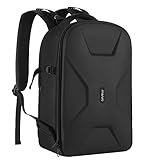
- Dimension:17.32 x 11.8 x 7.5 inch. 2 compartments included. Padded removable modular inserts in the upper one (16.54 x 11.42 x 5.5 inch) is customized dividers for different cameras, flashes, lens and drones. You can organize the inner padded to adjust the inner storage space according to your needs. Another one (16.93 x 10.63 x 1.58 inch) is laptop compartment to storage up to 16 inch
- Full open design. 2 accessory pockets on the back face can store cables, sd cards, powerbank and other small items. Tripod/monopod holder is featured with 1 secure strap on one bag side. 1 pocket on another side can store umbrella or water bottle(up to maximum 2.5 diameter). 1 anti-theft pocket is designed on the back for your wallet, cellphone and precious items
- With waterproof PU leather hardshell protection in front. The foam padded layer can provide good buffer and protection to your internal stuff against shock and drops. High elastic back cushion can ease your pain after long time take
- Padded shoulder strap varied from 17.72 to maximum 39.4 inch can be adjusted per personal preference. Clip strap featured on the shoulder strap can hang sunglasses, eyeglasses, towels and clothes. 1 handle is also designed to meet different demand. Back trolley belt makes it convenient during the trip. Perfect for men and women - camera enthusiasts
- This multifunctional camera bag is professionally designed for DSLR / SLR / Mirrorless cameras of different brands. Compatible with Nikon D5600, D5300, D3500, D3400, D3300, D3200; compatible with Canon EOS Rebel T6, T6i, SL2 and other standard-size DSLRs. Also designed to be compatible with DJI Mavic Drone(Mavic 2/Air/Pro)
Write a one-sentence promise
Use this exercise: “I help [specific traveler] plan [specific kind of trip] in [destination or travel context] by providing [distinctive evidence or perspective].” For example: “I help first-time visitors plan affordable, car-free trips through Japan.”
Possible focuses include one city or region, rail travel, family trips, accessible travel, hiking, food, budget travel, solo travel, long stays, or travel for older adults. A narrower focus can make your value clearer, but it does not guarantee search rankings, demand, or income. Google advises creating helpful, original, people-first content rather than writing primarily to attract search traffic: Google’s guidance on helpful content.
Test the idea before spending much
- List at least ten useful questions your intended readers ask before or during a trip.
- Check whether you can answer several from firsthand experience, careful reporting, or reliable official sources.
- Draft three article ideas that solve different problems for the same audience.
- Ask a few likely readers which decisions they find hardest. Treat their answers as signals, not proof of a market.
If the idea only produces broad topics such as “things to do everywhere,” narrow it by traveler, place, trip type, or problem. Avoid choosing a niche solely because another publisher claims it is profitable.
2. Choose a name and domain without locking yourself in
Pick a name that is easy to say, spell, and remember. It should communicate the subject without implying official affiliation with a government, tourism board, airline, or destination authority. If you expect to cover more than one place or travel style, avoid a name that confines the site to a single short trip or temporary trend.
Windows Errors? Fix Them Before They Spread
Repair common Windows errors and clear accumulated junk for a smoother, more stable PC - no reinstall needed.Free scan · no reinstallCrashes, No Sound, or Screen Glitches?
Random freezes, missing sound and display glitches usually trace back to one bad driver. Find and replace yours safely.Free scan · under a minute- Check for obvious trademark conflicts before committing.
- Look for a suitable domain and, if useful, consistent social handles.
- A .com is familiar, but another extension can work; an extension alone does not establish better search performance.
- Do not buy multiple domains or paid add-ons before the editorial idea is clear.
Domain costs depend on the registrar, extension, privacy options, taxes, and renewal terms. WordPress.com’s travel-blog guidance reports that common extensions such as .com, .net, and .org average around $13 per year on its platform; this is not a universal price. Check the current first-year and renewal cost directly before buying: WordPress.com’s travel-blog guide.
Rank #2

- SHOCK-ABSORBING & ULTRA-ORGANIZED INTERIOR: Enjoy ultimate flexibility! The interior of waterproof camera backpack features thick, padded dividers that act as excellent shock absorbers against bumps and drops. With 6 adjustable dividers (including a vibrant orange quick-grab panel) and 3 elastic security straps, you can create a cushioned, perfectly customized space for all your camera, lenses, controller and drones, ensuring everything stays secure and protected.
- ANTI-THEFT & QUICK-ACCESS OPENING: Never miss a shot. Our tactical camera bag offers a quick-access entry point to your main camera compartment, allowing you to grab DSLR camera, SD cards and batteries in seconds. The discreet & secure zipper design is also anti-theft, keeping your valuable equipment safe in crowded environments. It’s the smartest camera bags for photographers on the move.
- HIGH-CAPACITY ORGANIZATION: This large camera backpacks for photographers is a storage powerhouse. The MOLLE system offers external expansion. Organize your life with: a dedicated 15.6" laptop compartment; two front slip pockets for quick-grab items like lens cloths; two front zipper pockets for phone and keys; a hidden anti-theft back pocket for passports/wallets; two internal mesh pockets for cables; and a side elastic pocket for a water bottle or tripod.
- SUPERIOR PROTECTION FOR GEAR: Professional photography backpack case is made of premium waterproof fabric and equipped with a dedicated, full-coverage rain cover for ultimate protection in rain or snow, ensuring your gear stays perfectly dry in any weather.This waterproof camera backpack(size:17.7*7.87*12.79in) is ready for all your outdoor adventures.
- VERSATILE CAMERA BAG BACKPACK: RAINSMORE photography bag is coupled with a breathable, padded back panel,ensuring all-day comfort, perfect for outdoor photography, hiking, travel, or fieldwork. This durable camera bag case also includes a luggage strap that seamlessly slides over your suitcase handle, making airport and travel transit effortless.
3. Pick a platform that matches your goal
A hosted service bundles much of the technical work. Self-hosted WordPress uses the WordPress.org software with separate hosting and gives you more control, along with more responsibility. A social or newsletter platform can be a useful publishing channel, but it is less suitable as the only home for a long-lived, organized travel library.
| Approach | Good fit | Trade-off |
|---|---|---|
| Hosted website builder, such as WordPress.com, Wix, or Squarespace | A personal journal, visual portfolio, or creator site where ease and lower maintenance matter most | Some features depend on the plan; control over plugins, code, server settings, and migration may be limited |
| Self-hosted WordPress (WordPress.org software plus separate hosting) | A publication or business that needs flexibility, custom tools, or extensive control over content and monetization | You manage or arrange updates, backups, security, compatibility, and performance; hosting renewal terms matter |
| Social-first or newsletter-first publishing | Video-led storytelling or a creator whose main product is a newsletter | Discovery and distribution depend on the platform; organizing evergreen guides and owning audience access can be harder |
Choose the least complicated option that satisfies your real requirements. A hosted platform is not an inferior choice if you value managed setup over customization. Self-hosted WordPress is not automatically best if you do not want its maintenance. WordPress.org’s setup guide treats planning, installation, configuration, and content strategy as distinct decisions: WordPress.org: Get started with WordPress. WordPress.com also provides a basic five-step blog setup: WordPress.com: Five-step blog setup.
Free plans can be useful for testing an idea, but may use a platform subdomain, display platform branding, restrict features, or limit monetization. Paid plans, domains, hosting, premium themes, email services, and plugins have separate terms and may renew at higher prices. You do not need an expensive SEO subscription, custom design, or a large plugin collection before you have a clear need.
4. Set up the essentials before inviting readers
Keep the first site simple and make it work well on a phone. Set up secure HTTPS, a readable theme or template, clear navigation, a contact method, and a straightforward URL structure. If self-hosting, arrange backups and a routine for software and plugin updates before publishing regularly.
Core pages and site structure
- Home: explain who the site serves and link to its most useful guides.
- About: identify the author and relevant travel experience or reporting approach.
- Contact: provide a working form or public contact address.
- Privacy and cookie information: provide notices appropriate to the tools and jurisdictions involved.
- Affiliate disclosure: add one before using commission-bearing links, and make disclosures near relevant recommendations as required.
- Work-with-me or media page: add when you begin seeking commercial relationships.
Use a small number of meaningful categories, such as destinations or planning topics, rather than creating a category for every post. Add author bylines and biographies, and show publication or update dates where they help readers judge freshness. Google’s guidance emphasizes clear authorship, firsthand expertise, and transparency about who created content: Google Search Central: Creating helpful, reliable, people-first content.
Rank #3
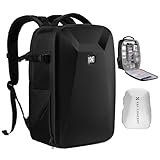
- 【Hardshell Camera Bag】Extenal Size:17.3 x 11 x 7 inches.Capacity:22L This multi-functional hard shell camera backpack is designed for different brands of DSLR/SLR/Mirrorless cameras. The removable modular inserts as customized dividers for different cameras, flashes and lens. The back pocket is a laptop compartment which can store up to 15.6 inches laptop.
- 【Front Hard Shell Protection】This hard shell camera backpack is made by EVA hard shell case all in one piece, The foam padded layer can provide good buffer and protection to your internal stuff against shock and drops. Comprehensive protection for your camera and drone equipment.
- 【Multifunctional Pocket】Front fully opened flap designed with the hard shell, which prevent your camera from strike and scratch. Camera bag with 2 internal accessory pockets can store cables, sd cards, power bank. 1 hidden zipper pocket on the back for your phone, wallet and other small items you need to store. tripod holder is featured with 1 secure strap on one bag side. 1 pocket on another side can store umbrella or water bottle.
- 【User-friendly design】Ergonomically Breathable padded mesh back panel and shoulder strap (adjusted from 20- 38.9 inch) is designed for comfortable carrying,and distribute the weight evenly and reduce your shoulder load.
- 【Stylish Camera Bag】Back trolley belt makes it convenient during the trip.Our camera bags are perfect for travel and offers practical features for the photographer and camera enthusiasts. If you have any questions about the product, please feel free to contact us.
5. Plan a small, connected starter library
Before publishing, choose three to five content pillars that support your promise. For a car-free Japan travel blog, these might be destination guides, rail and local transport, itineraries, budgets, and seasonal planning. A cluster of related, practical articles gives readers more than a lone introduction and helps you see what you can report with care.
Useful first articles
- A flagship guide to the destination or travel style.
- A realistic itinerary with pacing and logistics.
- An arrival or transport guide explaining alternatives.
- A transparent budget guide with currency, assumptions, traveler profile, and date checked.
- A seasonal guide that identifies details readers should verify.
- A specific problem-solving article, such as where to stay for a car-free visit.
- A trip report that shows what you personally experienced and what you learned.
- A practical checklist, map, or planning resource if you can make one genuinely useful.
Match each article to the decision it helps with. A route guide needs options, duration, likely costs, booking limits, and official links. A neighborhood comparison should explain which area suits which traveler. A cost article should state its assumptions and date, not present one traveler’s spending as a universal price. There is no preferred article length; Google says content should be useful rather than padded to meet an arbitrary word count: Google’s people-first content guidance.
Make the evidence visible
Use original photographs, route notes, maps, and specific observations when you have them. State when you visited or checked information. Separate firsthand experience from details confirmed through an official source or a third party. Do not imply you tested, visited, or verified something you did not.
6. Write each guide to answer a real travel question
Put the answer near the top, then give the practical detail a traveler needs to act. A useful brief for a guide should identify:
- Who the advice is for and what decision it supports.
- Assumptions, such as travel dates, nationality, mobility needs, or budget level.
- The recommended option and credible alternatives.
- Costs, currency, date checked, and what may change.
- Time required, booking steps, and likely failure points.
- Official sources readers should check before departure.
For changing facts—visa rules, entry requirements, transit schedules, opening hours, permits, prices, local taxes, and seasonal closures—link to the relevant official authority and state when you checked it. Safety, health, legal, and accessibility claims deserve particular care: identify whose circumstances the advice covers and do not present an unverified generalization as a guarantee.
Rank #4
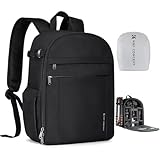
- 【Lightweight Design】K&F CONCEPT basic camera backpack only 1.96lb(0.89kg), made with durable lightweight fabric and minimalist structure, excellent overall weight control to reduce daily carrying burden. For photographers who pursue compactness and versatility, this bag is definitely the best choice.
- 【Product Capacity】 External dimensions: 10.6*5.1*15.2inches, Equipment Compartment Dimensions: 9.8*4.9*14.1inches. With 5 customized dividers allowing flexible interior to fit DSLR, cameras, drones, lens, flash and other photography accessories; It features a separate padded laptop compartment designed to accommodate up to a 14" laptop.
- 【Multi-Functional】①Large front-opening main compartment allow you quickly grab your camera, lenses, or stabilizer without missing a moment; ②Two front zipper pockets provide dedicated space for cables, batteries, SD cards, gloves, or other essentials; ③A side strap to carry lightweight tripod, monopod, or selfie stick; ④2 side pockets for your bottle and umbrella storage. Ensuring efficient access and categorized storage.
- 【Effective Protection】①Splash-proof and scratch 600D fabric is sturdy and durable; ②Thickened inner dividers can stabilize your gear and protect it from shock and strike; ③A protective rain cover come with this backpack to meet all of your photography needs whatever the weather; ④One-year free replacement for any defects.
- 【Photography & Daily Use】Smart internal detachable dividers allow seamless switching between camera gear and daily essentials. When you're in a hurry to get to work, simply take out the internal dividers in seconds—it turns into an everyday backpack instantly, perfect for city exploration, short trips and versatile shooting needs.
Use descriptive headings, readable paragraphs, useful tables or lists, and images that add information. Use original or properly licensed images; get appropriate permission before publishing identifiable images of other travelers, children, or local residents. A personal story can give a guide voice, but pair it with the route, costs, choices, lessons, or other details that make it useful to someone planning a trip.
The Tool Desk
Outbyte PC Repair FREEClear out junk files and repair common Windows errorsFree Scan →Outbyte Driver Updater FREEFix the driver behind crashes, sound loss and screen glitchesFind Drivers →7. Help readers find the site
Search is one discovery channel, not a promise of traffic. Give every page a clear title and main heading, descriptive URL, relevant internal links, and descriptive alt text for informative images. Keep key advice in text rather than only in a video or image. Use natural language your readers recognize; do not stuff every keyword variation into the page.
Google’s Search Essentials cover technical eligibility, helpful content, and spam policies. Following guidance does not guarantee that a page will be crawled, indexed, ranked, or receive traffic. Its SEO Starter Guide recommends Search Console to monitor performance.
Set up Search Console
- Sign in to a Google account and add your site as a property at Google Search Console.
- Verify ownership using one of the methods offered for your platform or hosting setup.
- Submit the sitemap if your platform provides one.
- Inspect the home page and representative articles, then review indexing reports for problems.
- As data accumulates, review queries, impressions, clicks, and pages; fix real content or technical issues rather than reacting to daily ranking movement.
Google says search changes can take days to several months to be reflected, and improvements are not guaranteed to produce a visible gain: Google’s guidance on core updates. Search Console API access is documented as free subject to usage limits: Search Console API pricing.
Independent reader supportYour contribution helps us test, update, and keep practical guides available for everyone.8. Build a repeat audience beyond search
Invite readers to subscribe to an email list once you can offer a clear benefit: a destination checklist, sample itinerary, budget spreadsheet, packing list, or occasional planning notes. Say what subscribers will receive and how often, and use a service whose subscriber limits, automation, fees, export options, and privacy practices suit your needs. An email list is not automatically useful simply because it exists.
Best Value
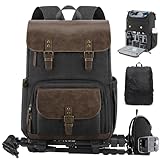
- CARRY EVERYTHING & ORGANIZED PERFECTLY - This camera backpack measures 13.3*6*17.3”,25L, suitable for all photography essentials. It has a padded laptop compartment that fits a laptop up to 15.6”. The camera bag features multiple pockets to keep your items organized. 1 magnetic snap pocket and 1 elastic side pocket for easy access to wallet and water bottle. 1 zipper pocket with a detachable key chain for passport and keys. There are 2 mesh pockets internally for power banks and charging cables.
- CUSTOM-FIT CAMERA PROTECTION - Equipped with 6 removable padded dividers and 3 elastic security straps, you can adjust the internal space to suit your needs. This photography backpack can easily accommodate 1 DSLR camera and 3-5 lenses or other photographic gear. Furthermore, the upper space provides additional storage for other items. When the need to carry a camera subsides, the dividers can be effortlessly removed to convert the large camera backpack into a travel or everyday backpack.
- QUICK ACCESS & ANTI-THEFT - The photography bag features a full-zip access on the front alongside a quick-access pocket on the side, facilitating storage and take-out photography equipment. The side lid has 1 zipper SD card pocket, and 3 battery slip pockets for easy use. Furthermore, the photographers’ camera backpack is fitted with a lockable zipper, ensuring your valuable photography gear is secure in daily use or travel. There are bottom straps to carry a tripod, keeping your hands free.
- KEEP YOUR CAMERA SAFE - Crafted from superior canvas that is water-resistant and scratch-resistant, the camera bags are ideal for long-term use. It also has a waterproof rain cover, providing perfect protection for your valuable photography equipment on rainy days to keep it consistently dry. The camera bag for photographers features 15mm soft velvet lining and 360° padded cushion, ensuring your camera, lens, and other gear are safeguarded against friction, scratches, impacts, and other damage.
- ALL DAY COMFORTABLE & USER-FRIENDLY – Designed for photographers, this backpack offers ergonomic comfort and durable utility. Despite weighing 1.55kg, it features a breathable back padding, wide shoulder straps, and an adjustable chest buckle to provide balanced weight distribution and support. It remains comfortable even when fully loaded. A luggage strap allows easy attachment to suitcases for hands-free. With its practical vintage style, it’s also the perfect gift for any photographer.
Use visual networks, video, Pinterest, relevant travel communities, partnerships, interviews, and personal contacts where they fit the subject. Repurpose a guide into a short video or checklist, but direct interested people to the complete resource. Social followers do not automatically become site readers; give them a specific reason and link to continue.
9. Measure progress that can guide a decision
Early on, track whether you are building a useful publication rather than fixating on follower counts. A simple monthly review can include:
- Articles published and articles due for fact checks.
- Search impressions, clicks, queries, and indexing issues.
- Email signups and returning visitors.
- Engagement with particular guides and links.
- Affiliate clicks, conversion rate, and revenue by source once monetization begins.
- Broken links, outdated facts, and update dates.
A lower-traffic article that helps readers subscribe or choose a service may be more valuable to your goals than a high-traffic page with no useful action. Interpret metrics in light of the purpose of each page.
10. Monetize without weakening trust
Monetization is a possible later stage, not the default outcome of launching a blog. Revenue varies with audience, usefulness, seasonality, conversion, partner terms, and traffic source; do not treat another blogger’s earnings as a forecast.
Choose a model that fits the reader’s need
- Affiliate links: accommodation, tours, transport, insurance, gear, or other products may fit where the article genuinely helps readers make that choice. Disclose commissions clearly. Do not claim that a link lowers a reader’s price unless verified.
- Sponsored work: hotels, tourism organizations, tour operators, apps, or travel brands may pay for content or exposure. Label paid or hosted arrangements, retain editorial standards, and decline partners that do not fit the audience.
- Display advertising: can suit a site with substantial readership, but intrusive ads can impair speed, navigation, and trust.
- Digital products: itineraries, maps, planning templates, or budget tools can work when they solve a specific problem better than a free article alone.
- Services: itinerary planning, photography, destination research, consulting, group trips, freelance writing, or user-generated content can be more direct ways to earn from expertise.
A sensible sequence is to establish useful content first, notice where readers face purchase decisions, add relevant disclosed referrals, and consider an email audience or small paid resource when there is evidence of demand. Diversify rather than relying entirely on one search engine, social platform, or affiliate program. Treat ongoing updates and audience care as part of the work; a post can continue attracting readers, but its facts and links still need attention.
11. Maintain the site and its travel information
Travel details age quickly. Keep a simple content log with the article, last-checked date, official source, next review date, and trigger for an earlier review. Recheck sooner when an authority announces a route, entry-rule, fee, or access change. Update the article when needed and explain material changes if a reader could otherwise act on obsolete advice.
Also keep backups current, update software and plugins, remove tools that no longer serve a purpose, and periodically test forms and important links. More plugins mean more compatibility and maintenance overhead; install one to solve a clear problem, not because a launch checklist recommended it.
Quick Recap
First-month launch checklist
- Define the reader, travel problem, and editorial promise.
- Choose a name and compare domain renewal terms before purchase.
- Select a hosted service or self-hosted WordPress based on your tolerance for maintenance and need for control.
- Set up HTTPS, mobile-friendly design, navigation, backups, contact details, and essential privacy and disclosure pages.
- Plan three to five content pillars and draft a connected starter group of useful posts.
- Verify unstable claims against official sources and record when they were checked.
- Publish with clear authorship, descriptive headings, internal links, and original or licensed imagery.
- Set up Search Console and a specific, honest email signup offer.
- Review progress monthly and update guides when facts change.
Product prices and availability are accurate as of the date/time indicated and are subject to change. Any price and availability information displayed on Amazon at the time of purchase will apply.
Free tools Windows power users keep installed
One-click scans. No signup required.




