Starting a sod farm means building a specialized crop business, not simply expanding a lawn-care operation. You grow a dense turfgrass stand, then harvest it with roots and a thin layer of soil; some farms also transport and install the sod. Whether the business is feasible depends on suitable land and water, locally adapted grass, enough capital for production and harvesting, practical delivery logistics, and buyers within reach.
There is no reliable universal startup-cost figure or guaranteed return. Treat published per-acre estimates as context, then develop a budget and market plan for a specific site, acreage, grass, and sales model.
What a sod farm produces—and who buys it
Sod production is the cultivation of a high-quality, dense turfgrass stand for harvest with its roots and a thin layer of topsoil. The product serves uses such as home lawns, parks, golf courses, athletic fields, schools, commercial properties, road construction sites, and cemeteries. Some producers sell sod only; others add transportation and installation, which expands the service offering but also adds cost and operational demands. The University of Kentucky Center for Crop Diversification describes the crop and its production requirements, while its 2019 publication record on turfgrass sod production lists customer markets.
Landscapers and building contractors are identified as primary customers in the Kentucky Extension publication. Demand there is also described as highly dependent on new home construction and industrial development. Those observations suggest what to investigate locally: construction activity, buyer relationships, order sizes, purchasing seasons, and how far customers can be served economically. They do not establish demand in another state or region.
Quick wins for a faster PC:
Repair Windows errors before they cause bigger problemsFix Now →Fix the driver behind crashes, sound loss and screen glitchesFind Drivers →#1 Best Overall

- A grass seed for lawns that grows thick blades of grass that stand up to hot summers and heavy rains
- Sun and shade grass seed for use in full sun to medium-shaded areas
- Lawn seed that holds up well under foot traffic
- See results in 8 to 21 days with Pennington grass seed
- This bag of tall fescue grass seeds for lawns covers up to 4,000 sq. ft.
The same publication reports that the 2014 USDA Census of Horticultural Specialties counted slightly less than 1,000 acres of sod harvested in Kentucky and that Kentucky sales were split almost evenly between wholesale and retail. These are historical, Kentucky-specific figures—not a current national market measure or a forecast for a new farm.
Test the market before committing acreage
Before buying land or planting, identify the customers most likely to buy from the proposed location. A farm aimed at contractors may need dependable volume and delivery coordination; retail sales may require a different customer-service and distribution setup. The best channel mix depends on local buyers rather than the historical Kentucky split.
Rank #2
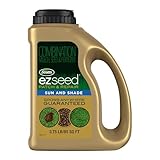
- WHEN TO APPLY : This lawn seed mix of Kentucky bluegrass seed, perennial ryegrass, and fine fescue grass seed germinates best when daytime temperatures are between 60°F and 80°F with no danger of frost
- PATCH & REPAIR: Scotts EZ Seed Patch & Repair Sun and Shade is a revolutionary grass seeding product that makes grass patch repair for lawns easy; it's designed to fill in bare spots and repair lawn damage
- COVERAGE: One 3.75 lb. jug of EZ Seed Patch & Repair lawn grass seed mix covers up to 85 sq. ft. in 3 easy steps: prep the area, evenly apply the seed and water until no more water is being absorbed
- WHERE TO USE: This sun and shade lawn repair grass seed mix is guaranteed to grow anywhere with proper care including in full sun, dense shade, high traffic areas and on slopes
- SUN AND SHADE GRASS: Contains a combination of high performance grass seed for lawns, mulch that expands to surround the seed, controlled release fertilizer, tackifier to help keep seed from washing away and a protectant to help keep seedlings safe
- Ask landscapers, contractors, and other likely buyers which grasses and varieties they use, what quality and delivery requirements they have, and how they currently source sod.
- Estimate the delivery radius that can be served given road access, loading, transport costs, and the condition in which buyers expect the sod to arrive.
- Check local construction and development activity, since the Kentucky profile identifies these as demand drivers in that state.
- Distinguish interest from committed demand: conversations help validate a plan, but they are not sales contracts or proof of year-round volume.
Choose a site for access, soil, and water—not just acreage
A usable site must work for both growing and moving a perishable, bulky product. The LSU AgCenter’s Louisiana guide recommends assessing distance to the intended market, access to major roads and highways, water quantity and quality, soil type, land costs, and site-preparation requirements. These are useful screening questions, but the guide is regional and does not determine suitability, permits, or water availability elsewhere.
- Market access: Map likely customers and practical routes, including road access for farm equipment and delivery vehicles.
- Water: Establish whether the proposed source can meet the needs of the intended acreage and whether its quality is appropriate. Water is a critical production element; the University of Tennessee’s commercial sod publication discusses irrigation considerations, but the available sources do not establish a universal water budget or irrigation design.
- Soil and preparation: Assess soil conditions and the work needed before planting. LSU’s overview describes land preparation, soil improvement, irrigation installation, and turf planting as elements of establishment.
- Land economics: Compare purchase or lease cost with preparation needs and the site’s ability to support production and delivery.
Have a local turfgrass extension specialist and the relevant water authority assess the proposed site and intended acreage. Water access, water quality, permits, and irrigation requirements are location-specific and should be resolved before major investment.
Rank #3

- Thicker Lawn: With Scotts Turf Builder Thick'R Lawn Sun & Shade, you can get up to a 50% thicker lawn, subject to proper care (results may vary based on the current condition of your lawn)
- Sun and Shade Grass: 3-in-1 lawn care product with grass seed to fill in gaps in thin lawns, fertilizer for thicker, greener turf, and soil improver for enhanced root development
- Usage: This grass seed mix is for thickening and greening thin, weak lawns
- Application: Thicken your lawn with this combination grass seed, fertilizer, and soil improver once in the late spring and once in the late summer or early fall
- Coverage: One 10 lb. bag of Scotts Turf Builder Thick'R Lawn Sun and Shade covers 1,000 sq. ft.
Select grass for the region and buyer
Grass choice should reflect local climate, site conditions, intended use, and customer requirements. A species that is suitable in one region may not be suitable in another. The University of California IPM guide, for example, lists warm-season options including bermudagrass, buffalograss, kikuyugrass, seashore paspalum, St. Augustinegrass, and zoysiagrass, as well as cool-season choices such as bentgrasses, hard fescue, Kentucky bluegrass, perennial ryegrass, red fescue, and tall fescue. That is a California-specific list, not a recommendation for every farm.
Confirm suitable species and varieties with local extension guidance and prospective buyers before assigning acreage. The selected grass affects the market you can serve and the production plan you will need; the sources cited here do not support a single grass choice, planting rate, yield, or time to harvest for all locations.
Rank #4
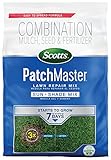
- LAWN BARE SPOT REPAIR: Scotts PatchMaster Lawn Repair Mix Sun + Shade Mix is a combination mulch, seed, and lawn fertilizer product specifically designed to provide all-in-one bare spot repair and grass patch repair for lawns
- MULCH: This sun and shade grass seed mix contains 100% recycled mulch that absorbs 3 times its weight in water to help keep the seed moist and in place during establishment
- READY-TO-GROW: Scotts PatchMaster Lawn Repair Mix Sun + Shade Mix has lawn seed that starts to grow in as few as 7 days and feeds for up to 6 weeks
- GRASS FERTILIZER FOR LAWNS: Includes controlled release nitrogen that seedlings need for fast growing and thick results
- GRASS SEED MIX: Premium lawn grass seed mixture of Kentucky Bluegrass seed, perennial ryegrass, and fine fescue grass seed specially selected to blend with your existing lawn
Budget for establishment, operations, and getting sod to buyers
Published estimates are not a substitute for a site-specific business plan. The University of Kentucky profile lists estimated costs of $4,000 per acre and estimated returns of $8,000–$12,000 per acre, while warning that costs and returns vary by farm and market. Those are the profile’s estimates, accessed in 2026—not a current quote, net margin, total startup budget, or promise of what a new operation will earn. The profile also cautions that harvesting and installation costs far outweigh the cost of growing sod to maturity.
A separate model has different limits: Purdue Extension’s projected Kentucky bluegrass costs and returns publication says its capital investment estimate for an average 382-acre farm was based on sod-farm data from Indiana and Iowa collected in 2020. Its scale, grass, data date, and geography make it a poor stand-in for a new or smaller farm elsewhere.
Windows Errors? Fix Them Before They Spread
Repair common Windows errors and clear accumulated junk for a smoother, more stable PC - no reinstall needed.Free scan · no reinstallCrashes, No Sound, or Screen Glitches?
Random freezes, missing sound and display glitches usually trace back to one bad driver. Find and replace yours safely.Free scan · under a minuteBest Value

- Sun and shade grass seed for use in full sun to medium-shaded areas
- This bag of tall fescue grass seeds for lawns covers up to 4,000 sq. ft.
Build a local budget with separate line items rather than treating a per-acre figure as the amount needed to launch:
- Land purchase or lease, site preparation, and soil improvement.
- Establishment inputs and labor, plus irrigation installation and ongoing water costs.
- Maintenance, including frequent mowing and the equipment and labor it requires.
- Harvesting equipment or contracted harvest services, labor, and operating costs.
- Loading, delivery, and any installation service offered to customers.
- Working capital for the time between establishment, harvest, and customer payment.
The sources do not provide enough current, location-specific information to calculate a defensible startup total or profitability forecast. Obtain local quotes and model the business using realistic sales volume, delivery distance, labor, and the selected production system.
Decide how to handle equipment and labor
Sod operations require recurring maintenance and a way to harvest and move the crop. The Kentucky profile identifies frequent mowing as essential and says modern automated equipment can reduce labor; it also flags harvesting and installation as major cost factors. Purdue’s equipment categories include harvesting, maintenance and establishment, irrigation, and delivery. Neither source verifies a particular brand, model, or current equipment price.
Compare owning equipment with contracting parts of the operation. Ownership may offer control and availability, but requires capital and sufficient use to justify the expense. Contracting can reduce the equipment investment, but availability, timing, and service cost must fit harvest needs and customer commitments. Size any purchase against plausible sales—not acreage alone—and include the labor and transport capacity needed to deliver what you sell.
Quick Recap
Turn the idea into a go/no-go plan
- Define the customer and sales channel. Specify who is likely to buy, what sod they need, whether sales are wholesale, retail, or both, and whether delivery or installation is part of the offer.
- Screen candidate sites. Compare market distance, road access, water quantity and quality, soil, land cost, and preparation requirements. Resolve local water and regulatory questions before committing.
- Validate the crop plan. Confirm regionally appropriate species and varieties with extension specialists and buyers, then determine the establishment and maintenance approach for the chosen site.
- Price the operating model. Get local estimates for establishment, irrigation, land, labor, mowing, harvesting, delivery, and any installation services. Compare owned and contracted equipment options.
- Stress-test the finances. Model lower sales, higher costs, and a longer path to harvest or payment than the base case. Do not use the Kentucky per-acre estimates or Purdue’s large-farm model as a guaranteed result for a different operation.
- Commit only when the pieces fit. Proceed when the site, water plan, crop choice, customer evidence, logistics, and financing work together at the intended scale.
Product prices and availability are accurate as of the date/time indicated and are subject to change. Any price and availability information displayed on Amazon at the time of purchase will apply.




