Promises of easy or guaranteed trading profits are serious warning signs—not proof by themselves that a course or mentor is a scam. Before paying, check what the seller actually provides, how any performance claims were measured, the full cost, and whether the people behind the offer have relevant regulatory or disciplinary records.
Which trading-course claims deserve extra scrutiny?
In a U.S. investor alert, the SEC says, “Trading strategies are not ‘simple’ or ‘easy.’” It flags claims of easy strategies, guaranteed returns and pressure to act because only a few places remain. Those are reasons to pause and ask for evidence; any one of them, by itself, does not establish that a seller committed fraud. SEC, “Investor Alert: Investment Seminars – Trading Seminar Fraud”.
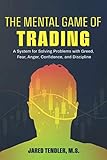
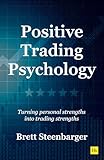
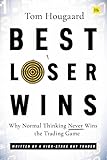
The FTC’s August 2026 alert about social-media investment-training promotions warns against luxury imagery and claims that viewers can learn to trade for substantial earnings. It states, “No one can guarantee you’ll make lots of money with little to no risk,” and, “No one can guarantee to teach you how to trade successfully in the financial markets.” FTC, “How to spot investment training scams on social media”.
The CFTC likewise warns consumers to be skeptical of promises of high profits with little risk: “No trading system can guarantee profits.” A promotion can also understate what it takes to use a system, such as purchase or lease charges and required data-feed subscriptions. CFTC, “Commodity Trading Systems Sold on the Internet”.
#1 Best Overall
- Guaranteed or unusually easy results: Treat earnings promises, “simple” strategies and little-to-no-risk language as claims to verify, not as evidence of likely performance.
- Urgency: “Last chance” offers and limited-seat pressure make it harder to assess the offer carefully. Take time to check the claims independently.
- Income stories without substantiation: Luxury imagery, testimonials or a compelling personal story do not independently verify trading results.
How can you check a trading mentor’s results?
Start by separating the educational service from the financial outcome the seller implies. Is the offer a course, access to a method, live trade alerts, coaching—or an implied promise that you will earn a particular amount? A seller’s description of what is included is different from evidence that students can achieve a particular result.
- Ask whether the results are actual or hypothetical. Backtests and hypothetical performance are not the same as results from live trading accounts. The CFTC advises consumers to find out which type of performance is being advertised. CFTC, “Commodity Trading Systems Sold on the Internet”.
- Ask what the figures include. Request the period measured, starting account size, losses, fees, market conditions and the method used to calculate returns. Without those details, a headline result may not describe what a buyer can expect.
- Look for independent verification. Screenshots, testimonials and figures presented only by the seller are not independent corroboration. Ask who verified the results and whether that verification can be checked.
- Compare the promise with the actual service. Look for a specific curriculum and a clear description of what coaching, tools, alerts or ongoing access are included. Do not treat education or access to a method as a guarantee of financial results.
The cited regulator sources do not establish a general success rate for trading courses or mentorships. A percentage presented without a clear, independently verifiable basis should not be treated as a reliable industry-wide measure.
Rank #2

- Prentice Hall Press
- Great one for reading
- It's a great choice for a book person
What is the full cost of the offer?
Compare the complete cost with the specific services delivered. A course’s advertised price may not include everything needed to use its system; the CFTC warns that system costs can include purchase or lease fees and mandatory data-feed subscriptions. CFTC, “Commodity Trading Systems Sold on the Internet”.
- Course or mentorship fee
- Trading software or system purchase or lease
- Market-data feeds and other required tools
- Subscriptions, renewals and continuing access fees
- Required add-ons or upsells
Ask which costs are recurring or mandatory, what access ends if you stop paying, and whether the seller’s advertised results account for these expenses. If the total is unclear before purchase, that is a practical reason to delay the decision.
The Tool Desk
Outbyte Driver Updater FREEFix the driver behind crashes, sound loss and screen glitchesFind Drivers →Outbyte PC Repair FREERepair Windows errors before they cause bigger problemsFix Now →How should you check the seller and instructors?
Look up the company, promoters and speakers through regulator records and disciplinary sources relevant to the product and activity. The SEC’s seminar alert recommends checking backgrounds, while the CFTC notes that not every trading-system promoter must be registered with it or belong to NFA. Registration requirements vary; not finding someone in one database does not, on its own, prove fraud. SEC investor alert; CFTC advisory.
Depending on the activity, useful checks can include SEC and CFTC records, NFA resources and state securities regulators. Search for disciplinary history and enforcement actions as well as registration information; whether registration is required depends on what is being sold and how the seller operates. SEC Investor.gov; National Futures Association; North American Securities Administrators Association: Contact Your Regulator.
Rank #4
The sources here address U.S. regulators, not every country’s rules. If you are outside the United States, check the regulator responsible for your jurisdiction and the relevant market.
What do real enforcement cases show?
Enforcement actions concern particular companies and claims; they are not evidence that all paid trading education is fraudulent.
What’s actually slowing this PC down?
Pick the symptom - the matching free tool is one click away.
Best Value

- Ideal for Gifting
- Ideal for a bookworm
- Compact for travelling
- Warrior Trading: In April 2022, the FTC announced that Warrior Trading would pay $3 million in consumer refunds and be prohibited from making baseless claims about the potential earnings consumers could get using its strategies. This is the FTC’s description of that case and its outcome. FTC, April 2022 announcement.
- IML, IM Mastery Academy and IYOVIA: The FTC’s August 2026 consumer alert says the company is no longer in business, its leaders must turn over assets valued at over $90 million, and they are banned from selling trading training services and investment opportunities. These are details attributed to the FTC alert. FTC, August 2026 alert.
How do you compare two offers?
There is no objective ranking of course quality in the cited regulator sources. Use the same questions for each offer so a polished sales page does not substitute for evidence:
| What to compare | What to look for |
|---|---|
| Performance claims | Actual or hypothetical results; stated period and assumptions; independent corroboration. |
| Complete price | Course fee plus software, data, subscriptions, renewals and mandatory add-ons. |
| People and firm | Relevant credentials, applicable regulator records and disciplinary history. |
| What is delivered | A specific curriculum and clear description of coaching, tools, alerts or access. |
| Sales pressure | Promises of outcomes, urgency tactics or claims of easy profits that leave little room to verify. |
How do you keep the course separate from trading risk?
Buying education does not remove the risks of the market or make a seller’s performance claims come true. Day trading and leveraged trading can involve substantial losses. FINRA warns that margin trading and short selling can produce losses beyond the initial investment. Its day-trading disclosure says not to use funds needed for essential purposes, including retirement savings, student loans, second mortgages, emergency funds or living expenses. FINRA, “Day Trading”.
Do not put emergency or essential living funds at risk because a course promises a particular result. Assess whether you can afford the market risk separately from whether the education is worth its price.
What should you do before paying?
- Write down exactly what the seller promises and what you will receive.
- Request details and independent support for any performance claims.
- Calculate all one-time, recurring and required costs.
- Check the people and business through relevant regulator and disciplinary records.
- Search for complaints and enforcement information, review more than the seller’s own pages, and take time before committing. The FTC specifically advises researching the company and promoters and checking multiple search results. FTC, “How to spot investment training scams on social media”.
- If the offer is expensive or the claims remain unclear, get a second opinion before buying.
A warning sign is a reason to investigate, not a verdict. If you believe a seller has misled you, use the relevant regulator’s consumer resources or seek advice from a qualified professional for your circumstances.
Do these 3 things before closing this tab:
1Scan for outdated or missing drivers - takes under a minute2Repair Windows errors before they cause bigger problems3Fix the driver behind crashes, sound loss and screen glitchesQuick Recap
Product prices and availability are accurate as of the date/time indicated and are subject to change. Any price and availability information displayed on Amazon at the time of purchase will apply.




