Recommended Free Tools
You can sell coffee online by choosing a specific customer and product, deciding how you will source or make it, checking the rules for your operation, and building a store around reliable fulfillment. The financial make-or-break question is whether your prices can cover coffee, packaging, shipping, fees, customer acquisition, and other operating costs while leaving room for profit—not whether online coffee sales are automatically profitable.
How to sell coffee online: the seven steps
- Choose your target customer. Decide whom you want to serve and what matters to them. A specialty-coffee buyer may want single-origin whole beans and detailed sourcing information; another customer may prioritize convenient ground coffee, pods, or ready-to-drink options. A clear buyer helps you avoid building a product range around personal preference alone.
- Choose a focused product range. Roasted beans are a natural starting point. Other possible offerings include pods, instant coffee, cold brew, canned coffee, and coffee-making supplies. Begin with products you can source consistently and explain clearly. Adding more types of products also means more inventory, packaging, and fulfillment decisions.
- Choose how you will make or source the coffee. Self-roasting, wholesale resale, and dropshipping distribute costs and responsibilities differently. Compare them before committing:
| Model | Startup investment and equipment | Quality control | Inventory and spoilage | Fulfillment | Margin considerations |
|---|---|---|---|---|---|
| Self-roasting | Requires roasting equipment and expertise; investment depends on the operation. | More direct control over roasting and product consistency. | You manage green coffee, roasted stock, and production planning. | You handle packing and delivery unless you arrange outside fulfillment. | Assess costs for equipment, coffee, labor, packaging, shipping, and customer acquisition; no universal margin is established. |
| Wholesale resale | Requires purchasing finished coffee from a supplier; storage and shipping arrangements add operating needs. | You select a supplier and product, but have less control over production. | You hold inventory and must plan for storage and unsold or stale product. | You generally coordinate storage, packing, and shipping. | Compare wholesale cost with packaging, fulfillment, shipping, fees, and marketing; no universal margin is established. |
| Dropshipping | Can reduce the need to buy and store inventory yourself; supplier terms determine costs. | Less direct control over product handling and the customer experience. | The supplier typically stores and fulfills orders, reducing your direct inventory exposure. | Confirm what the supplier handles and how customer issues and returns are managed. | Calculate what remains after supplier charges, shipping, platform fees, and customer acquisition; no universal margin is established. |
These are operating trade-offs, not guaranteed outcomes. Shopify describes these models and product categories in its February 7, 2026 guide to selling coffee online; its article is not an independent comparison proving one model or storefront platform is best.
- Vet suppliers before making promises. Request samples and compare taste and quality, price, and responsiveness. Ask what products are reliably available and who is responsible for packing, delivery, customer complaints, and returns. If you plan to build direct relationships with farmers, treat that as a sourcing approach to develop carefully rather than an automatic quality or impact claim.
- Build a distinct, supportable brand. Choose a voice and visual identity that fit your customer. Explain what makes the coffee relevant to that buyer—such as flavor, format, or sourcing—without making claims you cannot substantiate. Statements about origin, sustainability, health, or social impact should be accurate and supported.
- Set up the online shop. Choose a sales channel and create product pages with clear descriptions and useful photos. Add contact information, shipping details, return policies, payment options, and collections that help shoppers find the right product. Before launch, confirm that your stated delivery times match what you or your supplier can actually fulfill. The sources here do not establish a neutral ranking of marketplaces and owned storefronts or their fees and policies.
- Launch, learn, and expand deliberately. Reach likely customers through relevant social or email channels, educational content, storytelling, or partnerships. Review orders, customer feedback, and the costs of acquiring and fulfilling each order before expanding. Subscriptions, wholesale, equipment, merchandise, and limited editions are possible later additions, not evidence of guaranteed growth.
Check US food-business requirements before selling
There is no single nationwide permit checklist established for every coffee seller. Requirements can depend on where you operate, what you do, and how your business is structured. Check with the relevant state and local agencies about business licensing, seller permits, cottage-food eligibility, food-handler rules, taxes, and any manufacturing or facility requirements. A qualified adviser can help interpret rules for your specific operation.
At the federal level, the FDA says facilities that manufacture, process, pack, or hold food for consumption in the United States generally must register before beginning those activities, unless an exemption applies. The agency identifies private residences where FDA-regulated food is made among examples exempt from facility registration. Whether a particular roasting, packing, or storage setup is covered depends on its facts; check the FDA’s food-business guidance and relevant authorities.
#1 Best Overall
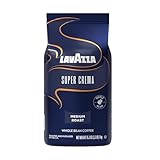
- SUPER CREMA: A 2.2 lb whole bean coffee bag ideal for espresso preparation
- INTENSITY AND ROAST: This full-bodied medium roast offers a bold and creamy finish
- BLEND: Made from Arabica and Robusta beans, this naturally caffeinated blend is sourced from 15 coffee-growing countries around the world
- PREPARATION: Ideal for espresso preparation.
- BREWING GUIDE FOR SINGLE ESPRESSO: 0.28 oz of ground espresso delivers a 1 oz espresso shot
FDA registration is not FDA approval or an endorsement of a product. FDA says registration has no fee, a third-party registrar is not required, and the agency does not issue or recognize private certificates of registration. Do not present a private registration certificate as an FDA certificate; see the FDA’s guidance on registration fees and private businesses claiming an FDA affiliation.
Food labels must be truthful and not misleading. The exact labeling obligations depend on the product and applicable rules, so verify them before printing or selling labels rather than assuming one generic coffee label covers every product.
Rank #2
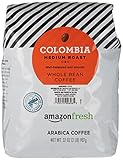
- Balanced, full-bodied medium roast with a smooth finish
- One 32-ounce bag of whole bean coffee
- 100% Arabica coffee grown in Colombia
- Roasted and packed in the U.S.A.
- Shown as a serving suggestion
2026 FDA renewal date for covered facilities
For facilities required to register, FDA’s current biennial renewal guide gives the 2026 renewal period as October 1 through December 31, 2026. Covered facilities renew in each even-numbered year. Check the FDA renewal guide for current instructions and confirm whether your facility must register.
Independent reader supportYour contribution helps us test, update, and keep practical guides available for everyone.Is it profitable to sell coffee online?
It can be, but no universal profit margin or guaranteed outcome is established. Work out the economics for each product and order: include the coffee, packaging, labor or supplier charges, shipping, payment and storefront fees, marketing, and the cost of handling returns or customer issues. Then compare the remainder with the price customers will actually pay and consider whether repeat orders are realistic.
Rank #3

- INTENSITY AND ROAST: With a 5/10 intensity, this fragrant medium roast offers a sweet and aromatic finish
- PREPARATION: Ideal for espresso machines, moka pot, drip coffee machines, or French press.
- LAVAZZA ESPRESSO: A 2.2 lb whole bean coffee bag ideal for espresso or drip preparation (pack of 1)
- INGREDIENTS: Lavazza Espresso contains only coffee and is produced in facilities that exclusively make coffee
- BLEND: A 100% Arabica, naturally caffeinated blend sourced from South America and Africa
Low inventory exposure does not necessarily mean a dropship model will be more profitable, just as control over roasting does not by itself ensure a return on equipment costs. Test a manageable range, track actual costs and orders, and use customer response to decide whether to adjust prices, sourcing, or marketing before expanding.
Quick Recap
Best Value
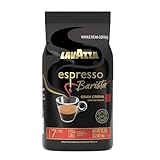
- One bag of 2.2lb Lavazza Espresso Barista Gran Crema Whole Bean Coffee Blend
- Roast: Dark
- Intensity: 7/10
- Taste: Full-bodied
- Aromatic Notes: Honey and roasted coffee
Rank #4
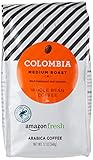
- Balanced, full-bodied medium roast with a smooth finish
- One 12-ounce bag of whole bean coffee
- 100% Arabica coffee grown in Colombia
- Roasted and packed in the U.S.A.
- Shown as a serving suggestion
Product prices and availability are accurate as of the date/time indicated and are subject to change. Any price and availability information displayed on Amazon at the time of purchase will apply.




