The best way to sell clothes online in 2026 is to start with one suitable platform, not every app at once. Sort your inventory, list only items worth the work, photograph and measure them accurately, price from sold listings, use the platform’s payment and shipping system, and record your net proceeds from the first sale.
This U.S.-focused guide covers personal closet clear-outs, casual clothing resale, handmade and upcycled apparel, and new clothing brands. Platform fees, shipping rates, taxes, labeling requirements, returns, and availability can vary by country, state, category, and seller account. The platform details below were checked against official sources on August 9, 2026; confirm the linked policy page before publishing an item.
- Choose your seller model.
- Pick one platform based on the clothing and your priority.
- Triage items into individual listings, bundles, donations, or recycling.
- Inspect, clean, measure, and photograph every garment.
- Write a searchable, truthful listing.
- Price from sold-market evidence and calculate net profit.
- Publish with accurate shipping and return settings.
- Pack, label, and scan the order correctly.
- Handle offers, returns, disputes, and scams inside the platform.
- Review your results after 20–30 listings before scaling.
First, decide what kind of clothing seller you are
The right platform and workflow depend on whether you are trying to clear a closet or build a business. These are four different activities, even though they all involve listing a shirt or jacket online.
1. Personal closet clear-out
You are selling clothing you already own to reclaim space and earn reasonable cash. Your original purchase price may be less useful for deciding whether to list an item, but keep it for tax records. Start with recognizable brands, excellent-condition coats and shoes, bags, occasionwear, activewear, specialty sizes, and pieces with a clear resale market.
Recommended Free Tools
#1 Best Overall

- 【𝘿𝙤𝙪𝙗𝙡𝙚 𝙍𝙤𝙙𝙨 𝘿𝙚𝙨𝙞𝙜𝙣, 𝙑𝙚𝙧𝙨𝙖𝙩𝙞𝙡𝙚 𝙎𝙩𝙤𝙧𝙖𝙜𝙚】The double rods clothes rack is designed with a high and a low rods for hanging dresses, pants, etc flexibly. The side extension rods provide extra storage space for hanging bags, hats, belts, towels, umbrellas, etc and the bottom bars for your shoes, suitcases or luggage
- 【𝙇𝙖𝙧𝙜𝙚 𝙇𝙤𝙖𝙙𝙞𝙣𝙜 𝘾𝙖𝙥𝙖𝙘𝙞𝙩𝙮】The rolling clothing rack is made of heavy duty and 22mm diameter steel, and the stable structure design allows this garment rack to hold up to 210 lbs without deformation (160 lbs for the double rods and 50 lbs for the bottom shelf)
- 【𝙐𝙥𝙜𝙧𝙖𝙙𝙚𝙙 𝘼𝙨𝙨𝙚𝙢𝙗𝙡𝙮 𝙈𝙚𝙩𝙝𝙤𝙙】Adopting upgraded structure, the garment racks for clothes connecting each rod with thread rolling, making the portable clothes rack screws together smoothly, which saves a lot of time. Compared to other screw mounting, the HYSEYY clothing rack with wheels is faster and give a solid rigid connection. This makes the coat rack more sturdy and less wobbly.
- 【𝙈𝙤𝙫𝙖𝙗𝙡𝙚 𝙒𝙝𝙚𝙚𝙡𝙨 𝙛𝙤𝙧 𝙈𝙪𝙡𝙩𝙞𝙥𝙡𝙚 𝙎𝙘𝙚𝙣𝙖𝙧𝙞𝙤𝙨】The wardrobe rack for hanging clothes with 360-degree swivel wheels ensure that the rolling rack for clothes moves smoothly across any floor. The lockable caster wheels can be fixed to the position as required
- 【𝘾𝙤𝙢𝙥𝙡𝙚𝙩𝙚 𝘾𝙪𝙨𝙩𝙤𝙢𝙚𝙧 𝙎𝙪𝙥𝙥𝙤𝙧𝙩】Our dedicated after-sales team is available 24/7 to assist you with any inquiries or technical support you may need. If you have any issues before or after your purchase, please find us via the Amazon Message Center. Your satisfaction is our goal
2. Casual resale
You are buying thrifted, discounted, estate-sale, liquidation, or otherwise sourced inventory with the intention of reselling it. This is a small business in practice, even if it is part-time. Track acquisition cost, storage, cleaning, repairs, fees, shipping, sell-through, and labor. The important number is net profit per item after the work, not the gross sale price.
3. Handmade, customized, or upcycled clothing
You must describe the finished garment accurately, including its materials, construction, measurements, source, care information, alterations, and limitations. Upcycling does not eliminate responsibility for truthful descriptions. New children’s apparel and sleepwear can also trigger safety, testing, certification, and labeling rules.
4. A new clothing brand or boutique
A brand requires consistent sizing, product development, fulfillment, customer service, returns, marketing, and potentially business registration, sales-tax registration, insurance, and import compliance. A marketplace can help validate demand before you pay for a standalone store. An independent store provides more control, but it does not create traffic automatically.
Choose one platform before you cross-list
There is no universally best clothing marketplace. Choose based on the item, expected selling price, shipping burden, audience, and how much control you want. For most beginners, one reliable platform is easier to manage than five partially maintained accounts.
| Platform | Best fit | Current U.S. economics and constraints | Main trade-off |
|---|---|---|---|
| eBay | Vintage, designer, men’s clothing, shoes, uniforms, unusual items, precise search | Many sellers receive up to 250 zero-insertion listings monthly. Most categories use a 13.6% final-value fee up to $7,500, plus $0.40 per order over $10 or $0.30 per order of $10 or less. Clothing subcategories can differ. See eBay’s fee page and category exceptions. | More detailed listing, shipping, return, and seller-performance requirements |
| Poshmark | Fashion-focused closet selling, women’s fashion, bundles, social discovery | The U.S. fee policy is $2.95 for sales of $15 or less and 20% for sales over $15. Standard U.S. shipping is buyer-paid at $6.49 for orders up to 5 lb; heavier packages use additional tiers. See the current Poshmark terms. | Simple operations, but the 20% fee makes inexpensive clothing difficult to sell profitably |
| Depop | Vintage, streetwear, trend-led fashion, styling-driven listings, younger buyers | U.S. sellers currently pay no standard Depop selling fee, but Depop Payments processing is 3.3% + $0.45. Boosted Listings for new U.S. listings from March 23, 2026 carry a 12% boosting fee when applicable. See Depop’s fee rules. | Visual presentation and trend relevance matter, and boosting can materially reduce margin |
| Mercari | General closet clean-outs and simple casual selling | Listings are free. The seller fee is 10% of the item price, with shipping selected as buyer-paid or seller-paid. Prepaid Mercari labels include tracking and up to $200 shipping protection, subject to the platform’s rules. Sellers generally have three days to pack and drop off an order. See Mercari’s seller-protection page. | Easy to use, but accurate descriptions and fast issue handling matter because buyers have a short dispute window |
| Facebook Marketplace | Local pickup, children’s bundles, bulky items, and transactions where you want to avoid shipping | Local selling is available, but shipping and checkout are not available to every user. Meta recommends keeping communication and payment inside trusted systems. See Marketplace shipping information and Meta’s scam guidance. | No-shows, negotiation, local safety concerns, and inconsistent seller protections |
| Shopify | Your own brand, repeat customers, catalog control, and long-term store ownership | The U.S. pricing page lists Basic at $29 per month when billed yearly, card rates from 2.9% + $0.30, and a 2% third-party transaction fee when Shopify Payments is not used. Confirm pricing at Shopify’s current pricing page. | You must generate traffic, manage policies and fulfillment, and pay ongoing software and marketing costs |
| Whatnot | Live selling, fashion drops, auctions, and community-led sales | U.S. fashion and other non-exempt categories are listed at 8% commission plus 2.9% + $0.30 payment processing. There are no listing-management fees according to Whatnot’s seller-fee page. | Requires live presentation, audience-building, inventory pacing, and tolerance for uncertain auction prices |
Practical starting rule: use eBay for broad or unusual demand, Poshmark for a fashion-centered closet, Depop for visual vintage and streetwear, Mercari for a straightforward general marketplace, and Facebook Marketplace for local bundles or bulky items. Consider Shopify only when you have a repeatable product and a plan to attract visitors. Consider managed consignment, such as ThredUp, when convenience matters more than control and maximum proceeds.
A quick platform decision tree
- Fewer than 20 personal items: start with Poshmark, Mercari, or eBay. Choose based on price, category, and shipping.
- Vintage, designer, unusual, or men’s pieces: start with eBay; Depop can be a second channel for visually distinctive items.
- Streetwear or trend-led fashion: start with Depop and cross-list high-value pieces to eBay if you can maintain inventory accurately.
- Low-priced basics: bundle them by size, season, category, brand, or outfit. Individual $5–$10 listings often do not justify the labor.
- Coats, boots, denim lots, or heavy bundles: weigh the packed parcel before choosing a shipping method or promising free shipping.
- A new brand: validate the product through a marketplace, social audience, pop-up, or existing customers before taking on a store subscription and customer-acquisition costs.
- Maximum convenience: compare a managed-consignment service’s acceptance rules, payout timing, unsold-item handling, and return or reclaim costs before sending valuable clothing.
Decide what is worth listing
Do not photograph and list every garment automatically. A listing has a cost in time, packaging, storage, customer service, and platform fees.
List individually
- Recognizable brands with evidence of buyer demand.
- New-with-tags or excellent-condition items.
- Vintage, archival, rare, discontinued, or collectible pieces whose age or provenance you can support.
- Technical outerwear and activewear.
- Premium denim, leather, cashmere, silk, wool, occasionwear, uniforms, workwear, and specialty sizes.
- Shoes, bags, and accessories with identifiable brand and model information.
- Items with distinctive silhouettes or strong, accurate search terms.
Bundle
- Basic T-shirts and low-value fast-fashion pieces.
- Children’s clothing in the same size or age range.
- Coordinating outfits.
- Items from the same season, category, sports team, uniform use, or brand.
Donate, recycle, or discard
Do not list clothing with mold, infestation, heavy odor, severe damage, unsafe components, or a condition you cannot accurately explain. Do not list counterfeit or suspected-counterfeit goods. Never list a recalled consumer product: the Consumer Product Safety Commission says selling recalled products is illegal.
Use a minimum-profit rule
Set a floor based on the work involved rather than a universal dollar amount. A useful estimate is:
Expected net profit = sale price - platform fee - seller-paid shipping - packaging - acquisition cost - cleaning or repair cost - expected discount or offer - payment or advertising fee - estimated labor valueFor a personal closet item, you may treat the original purchase price differently when deciding whether to declutter. It still matters for determining whether a personal item sold at a gain or loss for tax purposes. For sourced inventory, it is a direct cost of the business.
Inspect, clean, and prepare every garment
Preparation prevents returns and protects your reputation. Keep excellent-condition inventory separate from clean-but-flawed inventory.
- Empty every pocket.
- Inspect the underarms, collar, cuffs, hems, seat, knees, zipper area, lining, seams, buttons, and hardware.
- Look for stains, pilling, fading, shrinkage, stretching, loose threads, broken zippers, missing buttons, odors, pet hair, and alterations.
- Verify the brand, size tag, material tag, care label, and country-of-origin information.
- Wash or steam according to the care instructions. Remove lint and loose hair.
- Make only repairs you can complete competently, and disclose the repair.
- Photograph every material flaw before listing.
- Store cleaned items in a dry, protected place until they sell.
Do not claim “smoke-free,” “pet-free,” “authentic,” “vintage,” “deadstock,” “organic,” “handmade,” or “NWT” unless you can support the claim. If a tag is missing or altered, say so. Do not remove a manufacturer’s existing label or replace it with a misleading one.
What U.S. clothing-label rules mean for a reseller
The Federal Trade Commission says most new textile and wool products must disclose fiber content, country of origin, and the identity of the manufacturer or responsible business. Care-label rules generally apply to manufacturers and importers placing new products into U.S. commerce.
Do these 3 things before closing this tab:
1Repair Windows errors before they cause bigger problems2Fix the driver behind crashes, sound loss and screen glitches3Clear out junk files and repair common Windows errorsRank #2

- HEAVY-DUTY CONSTRUCTION: Crafted from thick and high-quality metal, Sakugi heavy-duty clothes rack boasts a sturdy structure that can support up to 82 pounds of weight and accommodate up to 33 garments. Rest assured, this closet rack is built to last and provides long-lasting durability for all your hanging needs.
- MULTIPURPOSE STORAGE: With a height of 59 inches, Sakugi clothes hanger rack offers versatile storage for various clothing collections, both short and longer garments. The anti-slip stoppers at each end ensure clothes stay in place without falling off. Moreover, the bottom mesh shelf creates extra storage space for shoes, boxes, bags, etc.
- CONVENIENT TO MOVE: Sakugi garment rack for hanging clothes is equipped with four 360-degree rotating casters, two of which can be locked. It allows you to smoothly move or securely fix the garment rack according to your needs. This clothing rack with shelves provides easy usability and flexible storage solutions for home or office use.
- EASY TO ASSEMBLE: Sakugi clothes rack for hanging clothes comes with a detailed manual, video, and installation tools, making the assembly process straightforward. By following the step-by-step guide, even a single person can easily complete the installation in minutes. Enjoy the simplicity of setting up your garment rack.
- WIDE APPLICATION: With a compact size of 28.0"x 16.9"x 59.0", the sleek and modern Sakugi wardrobe rack is a perfect fit for multiple scenes and different decors. Whether it's for your bedroom, closet, laundry room, or office, this garment rack effortlessly complements your space while providing practical storage for your clothing.
That does not mean every person reselling an ordinary used garment has the same obligations as a manufacturer or importer. It does mean you should preserve and accurately describe existing labels, disclose missing tags, and never misrepresent fiber content, origin, care, or brand.
Measure clothing consistently
Tagged sizes vary by brand, country, era, and garment. Measurements are especially important for vintage, altered, unisex, and mislabeled pieces. Measure garments flat on a hard surface and explain how you measured them.
| Garment | Useful measurements |
|---|---|
| Tops, dresses, and jackets | Pit-to-pit, shoulder-to-shoulder, sleeve length, shoulder-to-hem length, waist, and hip where relevant |
| Pants and skirts | Waist across, rise, inseam, outseam, leg opening, and hip where relevant |
| Stretch garments | Relaxed flat measurement and, if useful, a relaxed-to-stretched range. Do not treat stretch as a standardized size. |
For example, write 19 inches pit to pit, 25 inches shoulder to hem, measured flat rather than simply saying that a garment fits like a medium. If it was hemmed, taken in, shortened, had sleeves altered, or had buttons replaced, state the change.
Take photos that prevent returns
Use the actual item, a neutral background, consistent indirect daylight or soft lighting, and color correction that does not change the garment’s appearance. Do not rely only on a catalog image. Show wear, texture, fit details, labels, and flaws honestly.
Practical photo checklist
- Full front.
- Full back.
- Brand and size tag.
- Fabric and care tag.
- Texture, pattern, signature detail, closure, hardware, or construction detail.
- Measurement photo or clearly written measurements.
- Every stain, repair, pulled thread, worn area, or alteration.
- Included accessories or packaging, when relevant.
- A styled or modeled image only when appropriate and when it does not imply an unsupported fit.
AI background removal can make a listing look cleaner, but it must not change the garment’s color, shape, texture, size, or flaws. AI-written descriptions can invent a material, condition, era, or feature. Use AI for a draft only, then verify every factual field against the garment and photos.
Current platform limits are useful when planning your photo set: eBay requires at least one photo and permits up to 24; Mercari permits up to 12; and Depop’s current instructions allow up to four photos and one video in the app.
For children’s clothing, avoid unnecessary identifying or modeling images. Depop specifically advises sellers to consider children’s privacy and safety.
Write a searchable, truthful listing
Use a specific title
A useful title formula is:
[Brand] [garment type] [style or model] [color or pattern] [size] [key material, era, or use]Examples:
- Patagonia Better Sweater Fleece Jacket Gray Women’s M Full Zip
- Levi’s 501 ’90s Straight Jeans Dark Wash Men’s 32×30
- Vintage 1980s Silk Floral Midi Dress Black Gold Size 8
Use only relevant brand names and tags. Do not stuff the title with unrelated brands or claim that an item is from an era, material, or style you cannot support. Mercari’s listing guidance likewise advises truthful, relevant brands and tags.
Windows Errors? Fix Them Before They Spread
Repair common Windows errors and clear accumulated junk for a smoother, more stable PC - no reinstall needed.Free scan · no reinstallCrashes, No Sound, or Screen Glitches?
Random freezes, missing sound and display glitches usually trace back to one bad driver. Find and replace yours safely.Free scan · under a minuteUse a repeatable description template
Brand:
Item:
Tagged size:
Recommended fit:
Color or pattern:
Material:
Condition:
Measurements:
Features:
Flaws or alterations:
Care:
Included:
Shipping notes:
Replace general condition claims with observable facts. For example, write excellent used condition; no stains or holes found; light pilling at the cuffs instead of simply saying good for its age.
Be careful with authenticity and luxury claims
For designer goods, photograph labels, stitching, hardware, serial numbers, and provenance where safe. Do not call an item authentic based solely on appearance. Do not list counterfeit or suspected-counterfeit goods. Use a platform authentication program when the item qualifies, and retain purchase records and other provenance.
Price from sold evidence, not wishful thinking
Active listings show what sellers hope to receive. Sold listings show what buyers actually paid. Compare the same or closest model, brand, size, color, material, condition, season, and shipping arrangement. Accepted offers and discounts can make a sold price lower than the visible asking price.
On eBay, the Seller Center points sellers to Product Research for comparable pricing. Other platforms may show similar items, but treat active asking prices as clues rather than proof of value.
Free tools Windows power users keep installed
One-click scans. No signup required.
Rank #3
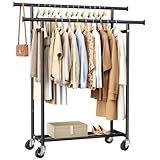
- 【Double Your Storage Capacity】This Versatile Clothes Rack Cleverly Utilizes a Dual-Bar Design to Organize up to 150 Garments, Keeping Long Dresses, Pants, and Jackets Neatly Separated. The Bottom Bar Holds Shoes and Storage Bins, While the Fixed Side Extension Offers Extra Hanging Points for Scarves, Hats, and Umbrellas Effectively Doubling Your Storage Capacity and Making it the Ultimate Clothing Rack for Any Home.
- 【240 LBS Max Load Clothes Rack】The Clothing Racks for Hanging Clothes are Crafted From Heavy-Duty, 22mm Thickened Carbon Steel, Boasting a Robust Structure that Holds up to 240 Lbs Without Wobbling or Deforming (180 Lbs On Top Double Bars, 60 Lbs On Bottom). It Stays Steadfast Even when Fully Loaded with Heavy Winter Coats.
- 【8-Minute Quick Assembly】Get Your Garment Rack Set up in Just 8 Minutes With Our Snap-Together Design. No Complicated Instructions—Most People Can Assemble it Effortlessly! Upon Unpacking, Kindly Review the Guide Briefly for Smooth Setup, Saving Your Valuable Time and Energy.
- 【Smooth & Easy Mobility】This Rolling Clothes Rack Equipped with 4 High-Quality 360° Swivel Casters (2 With Brakes), Gliding Effortlessly from Carpet to Hard Floor. The Smooth, Quiet Roll Makes Relocation a Breeze Even At Full Capacity, All While Protecting Your Floors from Scratches.
- 【Space-Saving Design】39" L X 16.5" W X 60.23" H. These Clothes Racks for Hanging Clothes Feature a Compact Footprint of Just 0.8 M², Tucking Neatly Anywhere You Need Them—Bedroom, Closet, Laundry Room, or Boutique. The Space-Saving Coat Rack Makes Your Room Appear More Open and Tidy, Eliminating The Cramped Feeling of Crowded Furniture.
Build a price floor
Consider:
- Exact brand and model, not just the general brand.
- Condition, flaws, alterations, and missing labels.
- Tagged size and actual measurements.
- Season, color, pattern, material, and current availability.
- Search demand and the number of comparable sold items.
- Package weight and dimensions.
- Platform fee, payment processing, promotion, and shipping responsibility.
- The offer or discount you realistically expect.
- Time spent photographing, listing, storing, packing, and answering questions.
You can list above your minimum acceptable net amount when negotiation is normal, price near the lower end of sold comparables for a faster sale, or hold firm on rare or already competitively priced pieces. Listing high and waiting is not automatically better: stale inventory consumes storage and attention.
Illustrative fee calculation
Suppose a $50 garment sells on a platform with a 20% selling fee:
| Sale price | $50.00 |
| Platform fee at 20% | −$10.00 |
| Packaging | −$0.75 |
| Seller-paid shipping | −$7.00 |
| Acquisition cost | −$8.00 |
| Estimated net before labor | $24.25 |
This is an illustration, not a universal fee quote. Confirm whether the platform calculates its fee on the item price, shipping collected, taxes, or some combination. For example, eBay’s fee calculation can include the total amount of the sale, including buyer-paid shipping and sales tax, subject to its rules and category exceptions. See the current eBay fee details.
Publish the listing correctly
eBay
- Open Seller Hub.
- Go to Listings and select Create listing.
- Choose a single or multiple listing.
- Add the title, photos, category, item specifics, condition, description, price, shipping, and returns.
- Publish the listing.
eBay’s listing form includes the item details, fixed-price or auction format, price, shipping, return policy, and payment settings. Complete every relevant item-specific field because buyers often filter by brand, size, color, material, and model.
Quick wins for a faster PC:
Clear out junk files and repair common Windows errorsFree Scan →Fix the driver behind crashes, sound loss and screen glitchesFind Drivers →Depop
In the app, open Selling, select Manage Listings, choose Add A Listing, add up to four photos and one video, write the description, add up to five hashtags and up to two brand hashtags, select the category, enter shipping and item prices, and tap Post listing. The web Selling Hub also supports drafts, bulk editing, and CSV uploads.
Mercari
- Create a listing and add photos.
- Enter the description, brand, category, condition, and relevant tags.
- Review similar items for pricing.
- Enter the packaged weight and dimensions if requested.
- Choose buyer-paid or seller-paid shipping.
- Select a Mercari prepaid label or ship on your own.
- Save a draft or publish.
Mercari makes the seller responsible for selecting the correct label category, weight, and dimensional weight. An incorrect label can lead to a surcharge deducted from proceeds, so measure the fully packaged item rather than guessing from the garment alone.
Poshmark
Use the platform’s Sell or List control, upload actual photos, enter the brand, category, size, color, condition, description, and price, confirm shipping settings, and publish. App labels can change, so follow the current prompts. After a sale, use the prepaid label and ship within the platform’s stated deadline.
Pack and ship clothing profitably
Shipping mistakes can erase the margin on an otherwise successful sale. Weigh and measure the fully packaged item before you publish or select a label.
What’s actually slowing this PC down?
Pick the symptom - the matching free tool is one click away.
Standard packing workflow
- Fold the garment neatly.
- Place it in a clean inner bag or sealed poly mailer to protect it from moisture.
- Use a rigid or padded mailer for delicate hardware or structured items.
- Use a box for shoes, structured bags, hats, heavy coats, and items that may be crushed.
- Weigh the finished parcel and measure it if the platform requests dimensions.
- Purchase or download the platform label.
- Confirm that the label matches the order and destination.
- For a high-value order, photograph the item and packed parcel.
- Obtain a carrier acceptance scan or receipt.
- Upload tracking if the platform does not add it automatically, and retain proof until delivery and the dispute window have passed.
For self-shipping in the United States, USPS Ground Advantage accepts packages from 1 oz to 70 lb, includes tracking, generally targets 2–5 business days, and includes up to $100 of insurance subject to service rules and exclusions. That is an expected timeframe, not a guaranteed delivery date.
Platform-specific shipping issues
- Poshmark: standard U.S. shipping is buyer-paid at $6.49 for orders up to 5 lb. Poshmark announced seller-paid label upgrades of $5 for 5.1–10 lb and $10 for 10.1–15 lb in February 2026. Check the current heavier-item announcement before shipping a large bundle.
- Mercari: prepaid labels include tracking and up to $200 shipping protection under the platform’s rules, and sellers generally have three days to pack and drop off an order. The label must match the package.
- Depop: if you use Depop or USPS labels, enter accurate package information and ship to the address shown on the platform receipt. Sending to a different address can void protection. See Depop’s U.S. shipping policy.
- eBay: the shipping flow lets you choose shipping or local pickup, package size, carrier and service, buyer-paid or seller-paid shipping, and sometimes international shipping. Review eBay’s shipping options.
Common shipping failures
- Using a label with an understated weight or dimensions.
- Using the label from one order on another order.
- Sending to an address supplied through messages rather than the platform receipt.
- Dropping off a parcel without an acceptance scan.
- Folding damp clothing into plastic.
- Using an oversized box that creates dimensional-weight charges.
- Advertising free shipping without adding its cost to the price.
- Assuming buyer-paid shipping means shipping has no effect on fees.
- Sending perfume, aerosols, lithium batteries, or other restricted contents without checking carrier and platform rules.
Poshmark has also warned about hazmat compliance. Its 2026 update says USPS can charge $50 for a shipment flagged for hazmat noncompliance and states that, from August 1, 2026, the seller’s out-of-pocket portion is $5 while Poshmark pays the remaining $45. Check the current Poshmark shipping updates for the applicable rule before mailing restricted items.
Handle offers and buyer messages professionally
- Answer factual questions promptly, but never guess about measurements, authenticity, material, or condition.
- Keep important communication and payment inside the marketplace.
- Do not accept off-platform payment to avoid fees; doing so can remove seller protection and violate platform rules.
- If a buyer requests a different shipping address, follow the platform’s cancellation or refund process and have the buyer correct the address before purchasing again.
- For expensive items, retain original photos, packing photos, tracking, receipts, and provenance.
- If a buyer says an item is not as described, ask for photos and use the platform’s resolution process instead of improvising an off-platform refund.
On Mercari, a seller can accept, decline, or counter an offer; a counteroffer generally gives the buyer 24 hours to respond. See Mercari’s offer guidance.
Understand returns and disputes
Writing “all sales final” does not override a platform’s buyer-protection rules. Accurate photos, measurements, and flaw disclosures are your main defense against an avoidable return.
Rank #4
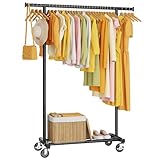
- 【Easy Assembly】The easy-to-assemble design with thread-rolling allows for quick and hassle-free install, saving your time and effort. The clothes rack has a clear instructions, a helpful video—so you can set it up in 15 minutes.
- 【Movable 360° Wheels】Equipped with four PP material wheels for smooth rolling in any direction, making it easy to reposition your clothing rack as needed. Two lockable wheels provide a secure and stable stop, ensuring your rack stays firmly in place when needed.
- 【Sturdy & Perfect Height】Built with 25.4mm reinforced steel pipes, this rack delivers rock solid stability (180 lbs capacity) , while its 63.8" height allows you to hang many pieces of clothes from short tops to long dresses—no bending, no wobbling, no dragging hems!
- 【Multiple Uses】It is suitable for living room, bedroom, home, apartment, clothing store or commercial use, and it is very suitable for providing additional clothing storage to display boutique goods, or to provide space for clothing display in theaters or studios.
- 【Professional Customer Support】Our dedicated support team is always ready to assist with any questions or concerns. If you have any issues before or after your purchase, you can contact us and we will respond within 24 hours. Your satisfaction is our goal.
eBay
A no-returns setting does not necessarily protect a seller when the item is damaged, faulty, the wrong item, or materially different from the listing. eBay generally requires sellers to accept returns for items that are not as described or arrive damaged under its Money Back Guarantee. Review eBay’s return information.
Poshmark
Poshmark’s terms generally require a buyer to report a problem within three days of delivery. Once the buyer accepts the order, or the period passes without a report, Poshmark credits the seller subject to its policy. See the current return and shipping terms.
Mercari
Mercari currently gives buyers 72 hours after confirmed delivery to report that an item is not as described. Approved returns must use the platform’s return process and label; once the transaction is completed, returns generally are not permitted. See Mercari’s buyer-protection guidance.
Depop
Depop treats an incorrect size, wrong color, counterfeit item, severe undisclosed damage, wrong item, or missing bundle item as examples of significantly not as described. It distinguishes those problems from ordinary fit dissatisfaction, smells, and minor wear on secondhand or vintage items. Review Depop’s misdescription rules.
The Tool Desk
Outbyte Driver Updater FREEFix the driver behind crashes, sound loss and screen glitchesFind Drivers →Outbyte PC Repair FREERepair Windows errors before they cause bigger problemsFix Now →Keep records and understand U.S. taxes
A Form 1099-K threshold is not a tax-free-sales threshold. For U.S. third-party settlement organizations, the current federal reporting threshold is generally more than $20,000 and more than 200 transactions. You may receive a form below that threshold, and the IRS says income must still be reported whether or not you receive one. See the IRS Form 1099-K guidance.
If you sell personal clothing
- A loss on a personal item is generally not deductible.
- If you sell a personal item for less than its purchase price, you generally have no taxable gain.
- If you sell a personal item for more than its purchase price, the gain is taxable.
- A Form 1099-K may show gross proceeds without subtracting fees, refunds, shipping, or your purchase basis. Keep records that reconcile those amounts.
Do not describe all closet selling as tax-free. The result depends on whether each item was personal property, whether it sold at a gain, and whether your activity is actually a resale trade or business. Tax treatment can be fact-specific; consult a qualified tax professional for your circumstances.
If you buy clothing to resell
Maintain a spreadsheet or accounting record containing:
- Date acquired and source.
- Purchase cost and item identifier or SKU.
- Cleaning and repair expenses.
- Platform fees, shipping, packaging, refunds, and advertising or boosting.
- Sale price and net proceeds.
- Inventory still on hand.
Also check state, county, and city requirements. The Small Business Administration says license and permit requirements depend on the activity, location, and applicable government rules. A business seller may need to investigate state sales-tax registration, marketplace-facilitator rules, local business licensing, home-occupation or zoning rules, business-name registration, insurance, and import requirements. Do not assume that every seller needs an LLC, or that no seller needs a permit.
What’s actually slowing this PC down?
Pick the symptom - the matching free tool is one click away.
Pay special attention to children’s clothing and new apparel
CPSC says secondhand sellers and resellers generally do not need to test and certify products they resell, but they should inspect items for safety and make sure they are not recalled.
The situation is different for clothing you make or import for children. Manufacturers and importers may need testing, tracking labels, and a Children’s Product Certificate. Children’s sleepwear and tight-fitting garments have additional flammability and labeling requirements. Review the CPSC Online Sellers’ Safety Guide before selling new handmade, customized, upcycled, or imported children’s apparel. Pay attention to drawstrings, snaps, missing buttons, sharp components, unsafe modifications, and whether a garment is sleepwear.
Avoid scams and protect yourself
Never rely on a screenshot as proof of payment
The Federal Trade Commission warns sellers about fake payment notices, fake checks, overpayment schemes, refund requests, verification-code theft, and buyers who insist on moving to another app. Confirm payment in your own marketplace account or bank account before handing over an item. Never send money back because a buyer claims to have overpaid unless the platform has independently confirmed and instructed you to do so.
Meta specifically warns Marketplace sellers about fake payment messages, overpayments, gift cards, verification codes, off-platform links, and moving communication away from Facebook. Keep the transaction inside the platform’s supported system whenever possible.
Best Value

- [Storage Aplenty] This 15.9"D x 35.8"W x 62.2"H metal clothes rack serves as an extension of your closet, adding tons of hanging space to keep up to 40 shirts in order
- [Sturdy and Durable] 25.4 mm dia. steel tubes connected by screws make a sturdy clothing rack that holds up to 88 lb and gives your heavy clothes stable support for years to come
- [With Storage Shelf] The bottom mesh shelf holds up to 22 lb, making it perfect for your shoes and storage boxes. The mesh is closely spaced, so even your high heels can find a place here
- [Easy to Move] 4 universal casters, including 2 with brakes, make it easy for you to move this garment rack from your bedroom to your coatroom and lock it in place as you need
- [Easy to Assemble] Labeled parts and illustrated instructions allow you to easily set up this clothes rack with wheels so you can quickly have more space to tidy up your clothes
Make local pickup safer
- Meet in a public, well-lit place or a police-station exchange zone where available.
- Avoid giving your home address unless there is a compelling reason.
- Bring another person for a high-value transaction and tell someone where you are going.
- Confirm payment in your own account before handing over the clothing.
- Do not accept a screenshot as payment proof.
- Cancel if the buyer changes the meeting terms, pressures you, or becomes aggressive.
Build a simple inventory system
Assign a SKU before listing. It can be as simple as a year, category, and sequence number. Record where the item is stored and update every platform when it sells.
| Field | Example |
|---|---|
| SKU | JKT-2026-014 |
| Date acquired | 2026-08-09 |
| Source | Personal closet or thrift store |
| Brand and item | Patagonia fleece jacket |
| Tagged size | Women’s M |
| Measurements | 19 inches pit to pit; 25 inches length |
| Condition | Excellent used condition |
| Cost | $12 |
| Platforms | eBay and Depop |
| Listing price | $54.99 |
| Lowest acceptable price | $42 |
| Storage location | Rack B, bin 3 |
| Sale, shipping, fees, and net | Complete after the sale |
| Status | Active, sold, shipped, or returned |
Store active inventory in labeled bins or rack sections, keep sold items separate, photograph high-value items before packing, and reconcile inventory at least weekly. Remove or deactivate cross-listed listings immediately after a sale.
Cross-list only when your system is ready
Cross-listing can increase exposure, but it also creates operational risk: double-selling, inconsistent prices, copied measurements, incorrect shipping settings, missed messages, and missed return deadlines. Some platforms impose consequences for cancellations.
- Start with one platform.
- List 20–30 items.
- Track views, likes, offers, sales, net proceeds, returns, and time spent.
- Add a second platform only when your SKU and storage system is reliable.
- Use a cross-listing tool only after checking the platform terms and whether the extra volume justifies its cost.
What to do when clothes do not sell
Use a schedule instead of letting stale inventory accumulate:
Do these 3 things before closing this tab:
1Repair Windows errors before they cause bigger problems2Fix the driver behind crashes, sound loss and screen glitches3Clear out junk files and repair common Windows errors- After 14 days: improve the first photo, title, category, item specifics, and measurements.
- After 30 days: compare again with sold listings and reduce the price if demand or seasonality does not support the original price.
- After 60–90 days: bundle, cross-list, store for the correct season, consign, donate, recycle, or liquidate.
When you bundle, group items by size, season, category, brand, outfit, children’s age range, sports use, or uniform use. Do not leave unsold items listed indefinitely without counting their storage and attention cost.
When to move beyond a marketplace
Stay on a marketplace when
- You are still clearing a personal closet.
- You need existing buyer traffic and integrated payments.
- You are testing brands, styles, or price points.
- You do not yet have a reliable audience.
Consider your own store when
- You have repeatable products and consistent sizing.
- You can attract visitors through social media, email, search, events, or existing customers.
- You want control over branding, catalog, bundles, promotions, and customer relationships.
- Your sales volume makes ongoing software and marketing costs reasonable.
Marketplace advantages include existing search traffic, integrated payments, dispute systems, and prepaid shipping. Disadvantages include fees, changing policies, platform-controlled visibility, price competition, limited customer ownership, and account-restriction risk.
An independent store offers brand control, catalog ownership, flexible promotions, and a direct customer relationship subject to privacy and marketing rules. It also makes you responsible for traffic acquisition, payment setup, taxes, returns, customer service, fraud, chargebacks, and fulfillment. Shopify’s clothing-selling guidance recommends combining a storefront with social channels and marketplaces rather than treating the store as the only discovery channel.
Live selling on Whatnot can be worthwhile when you have enough inventory, an engaging presentation, and an audience. It is less suitable if you need predictable prices or do not want to sell on camera. Managed consignment is the opposite trade-off: less work and control in exchange for the service’s acceptance rules, payout structure, and handling of unsold goods.
Outdated Drivers Are Slowing You Down
One free scan finds every outdated or missing driver and matches the right update for your exact hardware.Free scan · exact hardware matchWindows Errors? Fix Them Before They Spread
Repair common Windows errors and clear accumulated junk for a smoother, more stable PC - no reinstall needed.Free scan · no reinstallThe secondhand market is growing, but market growth does not guarantee individual profit. ThredUp’s 2026 report, for example, projects the global secondhand market at $393 billion by 2030; that is a market estimate, not a promise about any seller’s income. See the ThredUp report release for its methodology and context.
Your 20-point selling checklist
- Item is safe and legal to sell.
- Item is not recalled, counterfeit, moldy, infested, or unsalvageable.
- Garment is clean and inspected.
- Brand and tagged size are verified.
- Material and care information are recorded.
- Measurements are taken consistently.
- Flaws and alterations are photographed and described.
- Actual-item photos are clear and color-accurate.
- Sold comparables have been checked.
- Platform fees and shipping have been calculated.
- Minimum acceptable net price is set.
- SKU and storage location are recorded.
- Listing uses relevant title terms and complete item specifics.
- Sale is verified inside the platform.
- Item is packed cleanly and appropriately.
- Label matches the order, weight, dimensions, and destination.
- Carrier acceptance scan or receipt is obtained.
- Tracking and buyer issue communications are retained.
- Net proceeds, fees, shipping, and refunds are recorded.
- Cross-listed listings are removed and unsold inventory is reviewed on schedule.
Frequently Asked Questions
What is the best platform for selling clothes online?
There is no universal best platform. eBay is a strong first choice for vintage, designer, unusual, men’s clothing, shoes, and precise search. Poshmark is simple for fashion-focused closet selling, Depop suits visually styled vintage and streetwear, Mercari is a general-purpose option, and Facebook Marketplace works well for local bundles. Start with one platform and compare net proceeds after fees, shipping, and labor.
Do I have to pay taxes when I sell clothes online?
It depends on what you sold and how you acquired it. A personal item sold at a loss generally does not create taxable income, while a personal item sold for more than its purchase price can create a taxable gain. Buying inventory to resell is different and requires business records. The IRS also says income must be reported whether or not you receive a Form 1099-K; the form’s reporting threshold is not a tax-free threshold.
How can I avoid returns when selling clothing?
Use photos of the actual garment, include flat measurements, identify the tagged size, describe fabric and condition accurately, disclose every material flaw and alteration, and do not exaggerate fit or authenticity. Platform buyer-protection rules can still require a return for an item that is materially not as described, even if your listing says no returns.
Should I sell clothes individually or in bundles?
List recognizable brands, premium materials, shoes, outerwear, rare items, and excellent-condition pieces individually. Bundle low-value basics, children’s clothing, fast-fashion items, coordinating outfits, and garments whose individual sale would not cover your listing, packaging, shipping, and labor costs.
When should I open a Shopify store?
Usually after you have a repeatable product, consistent fulfillment, and a plan to generate traffic. A Shopify store provides brand and catalog control but does not supply marketplace demand. Validate products through a marketplace, social audience, event, or existing customers before taking on monthly software, marketing, payment, tax, and customer-service responsibilities.
The Bottom Line
Start small, measure everything, and optimize for net proceeds rather than sale price. Choose one platform, list 20–30 items that are clean, safe, accurately measured, and worth the work, then review your sell-through, days to sale, average net profit, return rate, and time per listing. Expand to cross-listing, consignment, live selling, or your own store only when the numbers and your operating system support it.
Quick Recap
Product prices and availability are accurate as of the date/time indicated and are subject to change. Any price and availability information displayed on Amazon at the time of purchase will apply.




